
Living with epilepsy can be overwhelming, especially when medications don’t stop your seizures. For many patients, the journey through different drugs and therapies can feel endless. But when medications fail, surgery can provide real hope.
At Advanced Neurosurgery Associates (ANA), we specialize in surgical treatment for epilepsy, offering advanced techniques that target seizure activity at its source. Our expert neurosurgeons perform state-of-the-art procedures designed to control or eliminate seizures and restore quality of life.
If you’ve been suffering from seizures for a long time, it may be time to explore epilepsy surgical treatment at ANA, where advanced science meets compassionate care.
ANA’s Role in Surgical Epilepsy Care
At Advanced Neurosurgery Associates, our dedicated epilepsy program focuses exclusively on helping patients who do not respond to medication or other treatments. Our team includes board-certified neurosurgeons, neurologists,epileptologists and neurophysiologists who work together to identify surgical solutions tailored to each patient’s needs.
Our mission is clear: to help individuals with drug-resistant epilepsy regain control of their lives through surgical treatment.
We understand that no two cases of epilepsy are alike. We offer a wide variety of epilepsy surgical options, ranging from conventional resections to advanced neurological stimulation devices and minimally invasive laser therapy. Every procedure is performed using cutting-edge imaging, mapping, and monitoring technology to ensure the best possible outcomes.
How Epilepsy Is Treated at Advanced Neurosurgery Associates
At Advanced Neurosurgery Associates (ANA), epilepsy care centers on advanced surgical treatment for patients whose seizures don’t respond to medication.
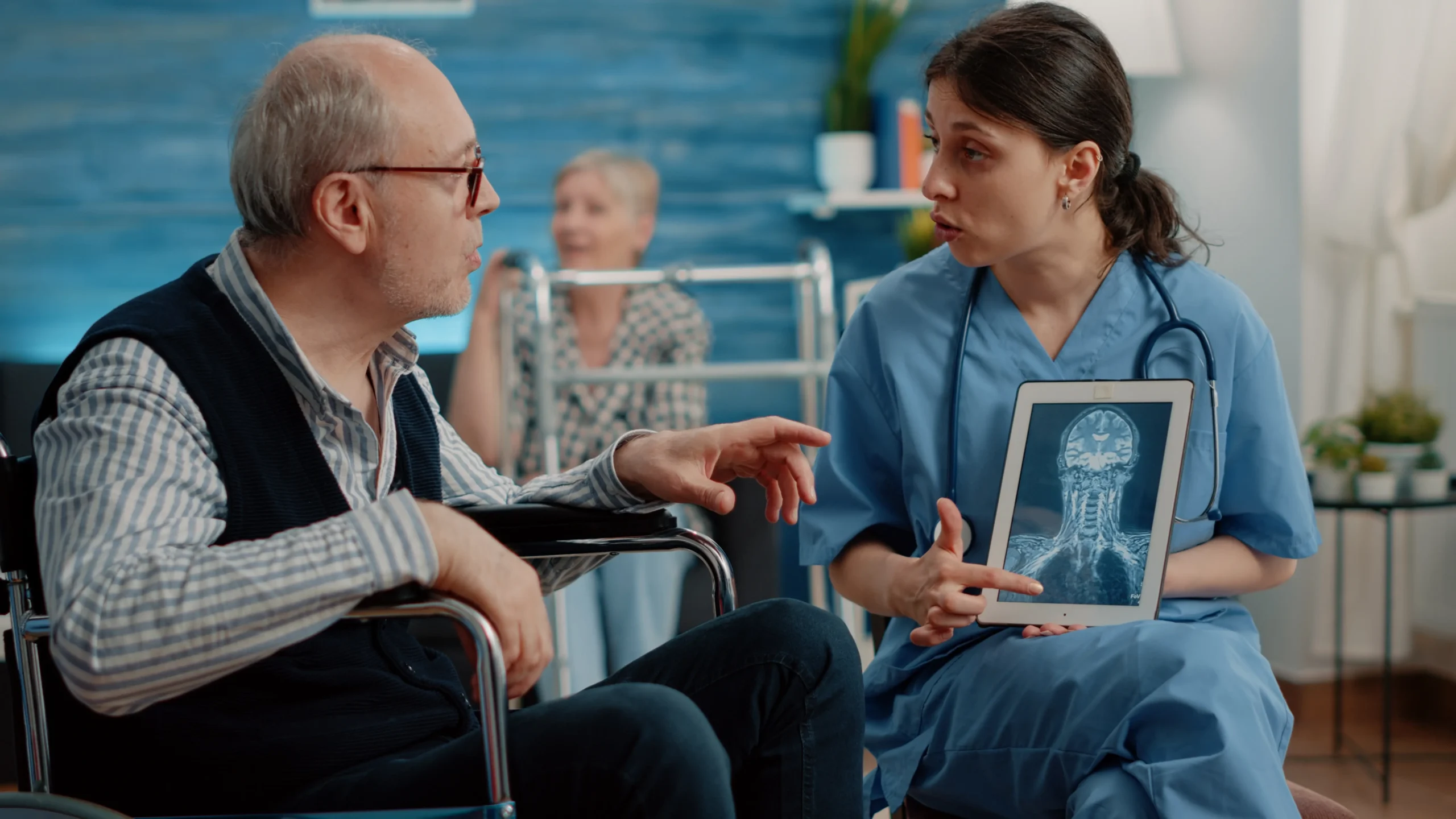
Our team begins with a detailed evaluation using imaging, EEG monitoring, and brain mapping to locate where seizures start. Based on these results, we design a personalized surgical plan to stop or reduce seizures while protecting important brain functions.
Our treatment approach includes:
- Precise diagnosis and seizure mapping using advanced technology
- Tailored surgical options such as resection, laser therapy, or stimulation devices
- Ongoing post-surgical follow-up for recovery and long-term seizure control
At ANA, patients receive complete, coordinated epilepsy care, from diagnosis to multidisciplinary approach recovery, all focused on achieving lasting seizure freedom.
Why Surgery Becomes the Next Step
When a patient continues to have seizures despite trying two or more anti-seizure medications, it’s known as intractable (drug-resistant) epilepsy. This is when surgery becomes the next and most effective option.
What Is Intractable Epilepsy?
Some people continue to experience seizures even after years of medication. For them, epilepsy surgery can offer freedom from seizures, reduce medication dependency, and dramatically improve quality of life.
At Advanced Neurosurgery Associates, we specialize in identifying whether surgery is the right path for you. Our staff conducts extensive diagnostic tests, seizure mapping, and image tests to ascertain the origin of your seizures and the safest method of controlling them.
If you’ve been living with epilepsy that hasn’t responded to medication, ANA can help you find lasting improvement through surgical treatment.
Our Focus: Advanced Surgical Solutions for Epilepsy at ANA
At ANA, we perform a comprehensive range of surgical treatments for epilepsy. Each procedure is selected based on where seizures originate and the individual’s unique condition.
1. Removing the Seizure Source
In the instance of the initiation of seizures in a localized location within the brain, the excision of the tissue can remove the source of the epilepsy.
- Temporal Lobectomy: This is the most popular and effective form of epilepsy surgery, particularly in the case of focused epilepsy involving the temporal lobe.
- Lesionectomy: This surgery takes out small, abnormal areas of the brain, like scars, tumors, or malformations, that cause seizures.
- Multilobar Resection: Removes more than one affected brain region if necessary.
- Hemispherectomy: In severe cases, it disconnects or removes one hemisphere of the brain, often life-changing for children with severe epilepsy.
Goal: Stop seizures while preserving memory, language, and movement abilities.
At ANA, these surgeries are performed by experienced neurosurgeons using image-guided systems and intraoperative monitoring to ensure precision and safety.
2. Cutting Seizure Pathways
In some patients, seizures spread rapidly across the brain. To stop this, our surgeons can perform disconnective procedures that block seizure activity from spreading.
- Corpus Callosotomy: Separates the two brain hemispheres to prevent the spread of seizures.
- Multiple Subpial Transection: Makes small cuts in the brain tissue to stop seizure signals without harming important functions like speaking or moving.
Goal: Reduce the frequency and intensity of seizures when resection surgery is not an option.
These techniques are part of the advanced epilepsy surgical treatments we offer at ANA to give every patient a better chance at seizure control.
3. Minimally Invasive Laser Surgery
Modern epilepsy care now includes Laser Interstitial Thermal Therapy (LITT)—a breakthrough, minimally invasive approach performed at ANA.
This procedure uses a laser fiber inserted through a tiny opening in the skull to heat and destroy seizure-causing tissue. The entire process is guided by real-time MRI for unmatched accuracy.
Benefits of LITT:
- Small incision and minimal scarring
- Shorter hospital stay
- Faster recovery
- Ideal for deep or hard-to-reach seizure areas
At Advanced Neurosurgery Associates, we are proud to offer laser-based epilepsy surgery, combining precision and safety for patients seeking faster recovery and long-term relief.
4. Brain-Stimulation Devices
For some patients who aren’t candidates for resective surgery, neurostimulation devices can be an excellent solution. ANA is one of the few centers in the region offering these advanced options:
- Vagus Nerve Stimulation (VNS): A device placed under the skin sends mild electrical impulses to the brain through the vagus nerve.
- Responsive Neurostimulation (RNS): A device placed in the skull that detects abnormal brain activity and delivers a corrective electrical pulse in real time through electrodes all in a seizure focus.
- Deep Brain Stimulation (DBS): Uses implanted electrodes to deliver signals that reduce seizure activity deep within the brain.
Goal: Reduce seizure frequency and severity while maintaining brain function.
These therapies are particularly effective for patients whose seizures arise from multiple or difficult-to-reach brain areas.
5. Advanced Brain Mapping and Testing
Before every surgery, our epilepsy team conducts specialized tests to identify exactly where seizures begin and to protect areas responsible for movement, speech, and memory.
- Stereo-EEG (SEEG): Involves placing electrodes deep within the brain to record electrical activity.
- Subdural Grid Monitoring: Electrodes placed on the brain’s surface help pinpoint seizure focus.
- Functional Imaging (MRI, PET, SPECT): Provides detailed brain maps to plan the safest surgical route.
- Wada: Helps determine which side of the brain is responsible for language and memory functions, and the results are reviewed during multidisciplinary epilepsy conferences to guide patient care.
These tools ensure that every epilepsy surgery at ANA is customized, precise, and patient-focused.
What to Expect Before and After Surgery
At Advanced Neurosurgery Associates (ANA), every surgical journey begins with a thorough pre-surgical assessment. Before any procedure, our team conducts detailed evaluations, which may include presenting the patient’s case at multidisciplinary epilepsy conferences to review all studies and treatment options collaboratively. This careful planning ensures that every surgical decision is made with precision and patient safety in mind.
Following surgery, patients are closely monitored through our comprehensive epilepsy rehabilitation program. Our multidisciplinary team supports each step of the recovery process — from immediate post-operative care to long-term seizure management — ensuring the highest standard of care, safety, and ongoing support for every patient.
Real Patient Transformation
💬 Patient Tip of the Month:
“Ask questions. Learn about your options. Surgery changed my life—now I’m seizure-free.”
— Maria, an epilepsy surgery patient at ANA
Like Maria, many of our patients at Advanced Neurosurgery Associates have found lasting relief through epilepsy surgery. Our focus is always on helping patients live without the fear of seizures, with greater independence and peace of mind.
Why Choose Advanced Neurosurgery Associates for Epilepsy Surgery?
At ANA, we don’t just talk about surgical care; we deliver it.
Here’s why patients across New Jersey trust us for epilepsy surgical treatment:
- Decades of experience of expert neurosurgeons controlling seizures.
- State-of-the-art surgical equipment.
- In-depth assessment and individualized treatment plans.
- Effective outcomes of better seizure management and quality of life.
- Human care in adults and children.
Whether you’re newly diagnosed or have lived with epilepsy for years, our team is here to provide surgical solutions that can change your life.
Take the Next Step Toward Seizure Freedom
Are you suffering from epilepsy that hasn’t improved with medication?
It may be time to explore surgical treatment for epilepsy at Advanced Neurosurgery Associates.
Don’t let uncontrolled seizures define your life.
Schedule a consultation today to learn more about epilepsy surgery options and discover whether surgical treatment could help you achieve seizure freedom.
Contact Advanced Neurosurgery Associates, where hope meets healing through advanced epilepsy surgery.
FAQs
1. Is epilepsy surgery safe?
Yes. Epilepsy surgery has a strong record of safety and success when performed by experienced neurosurgeons. At ANA, every procedure is guided by advanced imaging, brain mapping, and intraoperative monitoring to protect critical brain functions like speech and movement while maximizing seizure control.
2. How long is the recovery after epilepsy surgery?
Recovery time depends on the type of procedure. Traditional surgeries may require a few days of hospital stay and several weeks of rest, while minimally invasive laser surgery (LITT) usually allows patients to return to normal activities within a few days. At ANA, we provide personalized recovery plans and ongoing follow-up care to support each patient’s healing journey.
3. Can children undergo epilepsy surgery?
Yes. Epilepsy surgery can be very effective for children, especially when seizures are severe or interfere with development. At ANA, our pediatric neurosurgeons specialize in treating children with drug-resistant epilepsy using both traditional and minimally invasive techniques.
4. What are the risks of epilepsy surgery?
Like any surgical procedure, there are risks such as infection, bleeding or changes in memory or speech. However, at ANA, every case is evaluated carefully to minimize risks using advanced imaging, precise navigation systems, and experienced surgical hands.