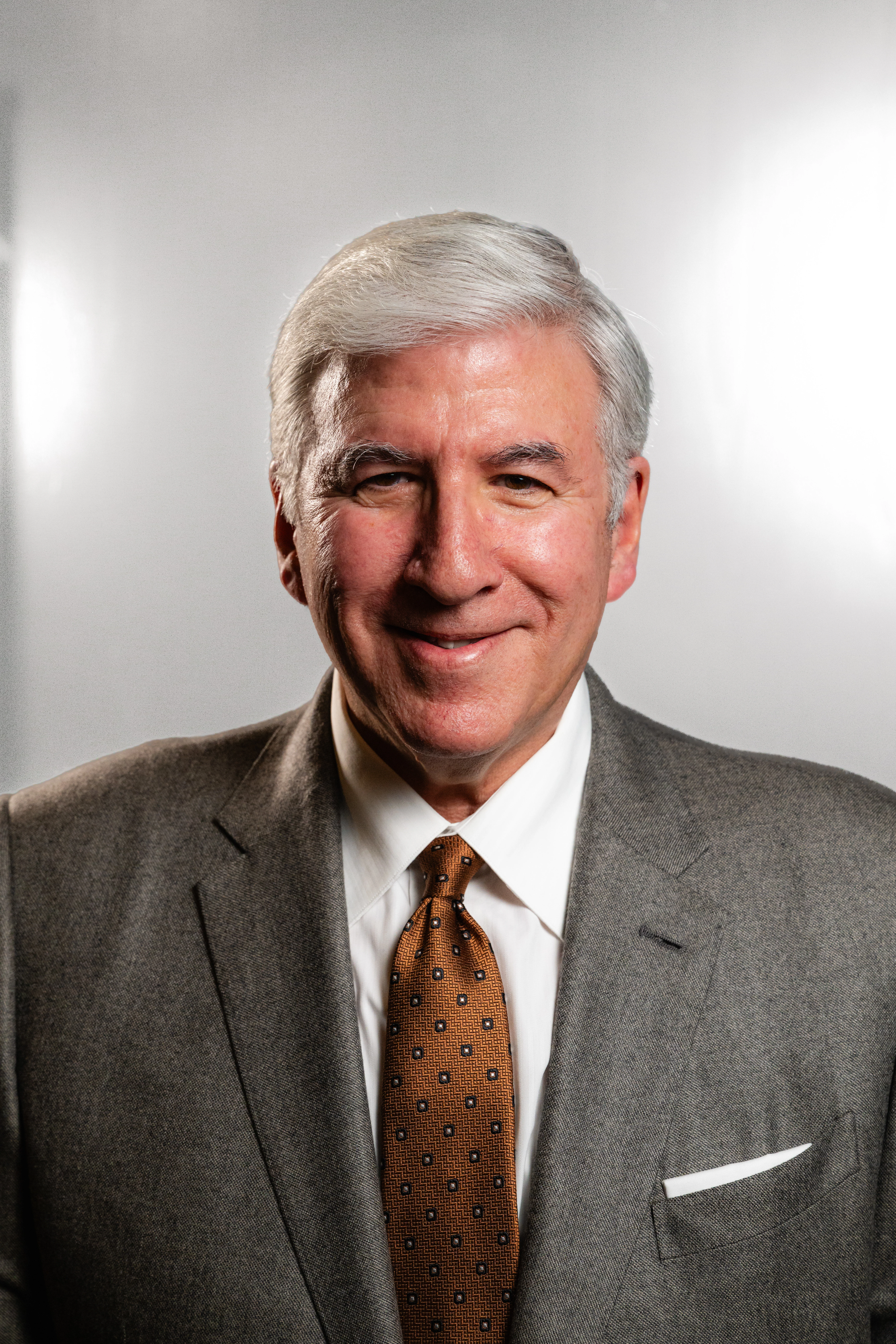
Arno H. Fried, MD, FACS, FAANS
Pediatric & Adult Neurosurgeon
Many adults with Chiari malformation spend years looking for answers before getting the right diagnosis. Their symptoms are often confused with other conditions.
Common symptoms may include:
Frequent headaches
Numbness or tingling in the hands
Dizziness
Balance problems
Muscle weakness
These symptoms can affect daily life and may require a careful evaluation by an experienced neurosurgeon.
At Advanced Neurosurgery Associates, we understand the challenges Chiari patients face before diagnosis. Our neurosurgeons provide expert evaluation and personalized care for adults with Chiari malformation at four New Jersey locations:
Rutherford
Jersey City
New Brunswick
Morristown
We take time to understand your symptoms, answer your questions, and create a treatment plan based on your needs and goals.

Chiari malformation is a condition where part of the brain called the cerebellum extends lower than normal through an opening at the base of the skull called the foramen magnum.
This can put pressure on nearby structures, including the brainstem. It can also affect the normal flow of cerebrospinal fluid (CSF) around the brain and spinal cord.
Chiari malformation type 1 is the most common type found in adults.
Unlike other types:
Many adults are diagnosed in their:
Some cases are found by chance during an MRI or scan done for another health concern.
Symptoms can vary from person to person.
Common symptoms include:
In some adults, symptoms may appear after a neck injury, such as whiplash.
A sudden injury may make a previously unnoticed Chiari malformation symptomatic. If you develop new neurological symptoms after an injury, an evaluation by a neurosurgeon can help identify the cause.
Meet Our Expert Team
At ANA — Movement. Vitality. Medicine., we are committed to providing exceptional pain, vein, and wellness services that empower individuals to reclaim their health and well-being. With our team of Harvard-trained experts, we strive to deliver transformative outcomes that restore comfort, confidence, and quality of life. ANA stands for our mission to help every patient relieve discomfort, restore motion, and renew life.
Chiari malformation symptoms in adults can be wide-ranging, variable, and easy to attribute to other conditions. This is precisely why it is frequently underdiagnosed or misdiagnosed. The most characteristic symptom is a severe headache at the back of the head that worsens with coughing, sneezing, straining, or physical exertion — a pattern that should always prompt evaluation for Chiari.
Other symptoms adults commonly report include:
Symptoms often fluctuate in intensity and may worsen over time. Some adults with confirmed Chiari malformation on imaging remain entirely asymptomatic — and in those cases, treatment is not always necessary. The clinical picture, not the imaging alone, drives our recommendations.
A significant proportion of adults with Chiari malformation develop syringomyelia — a condition in which disrupted CSF flow leads to the formation of a fluid-filled cavity (syrinx) within the spinal cord. Syringomyelia can cause progressive pain, weakness, and sensory loss, and its presence often influences the urgency of surgical intervention. Our team routinely evaluates for syringomyelia as part of every Chiari workup.
Diagnosis begins with a thorough neurological history and examination. Adults with suspected Chiari malformation undergo MRI of the brain and full spine — the gold standard for both confirming the diagnosis and evaluating for associated conditions such as syringomyelia, tethered spinal cord, or hydrocephalus.
In some cases, specialized CSF flow studies using phase-contrast MRI are performed to assess whether and to what degree cerebrospinal fluid movement is obstructed at the craniocervical junction. This information can be critical in determining whether surgical intervention is warranted and in planning the operative approach.
At least half of those newly diagnosed with epilepsy will become seizure-free with their first medication—if they take it regularly and as prescribed. The efficacy of these medications of course depends on the type and severity of the epilepsy. In some cases, medication may diminish but not completely control all seizure activity.
Many various types of anticonvulsant (also called antiepileptic) drugs are available. Some patients respond to one drug and some may need more than one. It may take several months before the best drug and dosage are determined. Patients are monitored throughout the medication process via blood tests.
A ketogenic diet, one which supplies the majority of calories from fat as opposed to glucose, mimics the body’s response to starvation by burning fat for energy. Scientists are not precisely sure why this diet prevents seizures, although it is being studied. Estimates vary from 10-30% of children who try it become seizure free, or almost seizure free. And over half who try it gain a 50% reduction in seizures. The remainder do not respond or are unable to tolerate the diet because of side effects.
Treatment decisions are always individualized and based on symptom severity, neurological findings, imaging characteristics, and the patient’s overall health and goals.
Adults with incidentally discovered Chiari malformation and no significant symptoms are often managed with periodic clinical evaluation and repeat imaging to monitor for change over time. Not every Chiari diagnosis leads to surgery.
For patients with mild or stable symptoms, medications targeting headache, pain, and nerve-related symptoms can provide meaningful relief while the clinical picture is monitored.
When surgery is indicated, the standard surgical treatment for adult Type I Chiari malformation is posterior fossa decompression. This procedure involves removing a small portion of bone at the base of the skull — and in some cases, a portion of the first cervical vertebra — to enlarge the space around the cerebellum and brainstem and restore normal CSF flow. In many patients, surgery significantly reduces or eliminates symptoms and prevents further neurological deterioration.
Our neurosurgeons utilize intraoperative neurophysiological monitoring throughout the procedure to continuously assess brainstem and spinal cord function.
Recovery after Chiari malformation surgery varies by patient but generally takes several weeks to months. Most people gradually experience reduced symptoms, improved comfort, and increased activity levels by following their neurosurgeon’s instructions, attending follow-up appointments, and participating in recommended rehabilitation.
Recovery typically includes a short hospital stay, managing pain and neck stiffness, gradually increasing physical activity, keeping the surgical incision clean, taking prescribed medications, and attending follow-up appointments. Following your neurosurgeon’s instructions is essential for proper healing and the best possible outcome.
Yes, Arnold-Chiari malformation (Chiari malformation) can have a genetic component in some cases. Although the exact cause is not always known, research suggests that certain inherited factors may increase the risk of developing the condition. It can sometimes occur in multiple members of the same family, but many cases develop without a clear family history. Environmental and developmental factors during fetal growth may also contribute. If there is a family history of Chiari malformation, genetic counseling may be recommended.

If you have ongoing neurological symptoms or have been diagnosed with Chiari malformation, getting the right specialist care is important.
At Advanced Neurosurgery Associates, we provide expert evaluation and treatment for Chiari malformation at four New Jersey locations:
Rutherford
Jersey City
New Brunswick
Morristown
Our team takes time to:
Review your medical history
Study your imaging results
Explain your diagnosis clearly
Discuss all treatment options
We offer both surgical and non-surgical approaches. Our goal is to help you understand your choices and make the best decision for your health.
You deserve answers. If you are experiencing symptoms consistent with Chiari malformation or have received a diagnosis and want expert guidance, contact us today.
Chiari malformation is a neurological condition where brain tissue extends into the spinal canal, often causing pressure on the brain and disrupting normal cerebrospinal fluid flow.
Chiari malformation causes may include congenital structural abnormalities, genetic factors, or conditions that affect brain and skull development. In some cases, it can develop later in life due to injury or infection.
Common symptoms include headaches, neck pain, dizziness, balance problems, muscle weakness, numbness, difficulty swallowing, and sleep disturbances.
Chiari malformation treatment may include monitoring, pain management, physical therapy, or surgery such as posterior fossa decompression to relieve pressure on the brain and spinal cord.
Advanced Neurosurgery Associates offers Chiari malformation treatment in Rutherford with comprehensive neurological evaluations and advanced treatment options tailored to each patient.
Chiari malformation specialist are experienced neurosurgeons and neurological experts trained to diagnose and treat Chiari malformation using advanced imaging and surgical techniques.
You can find a Chiari malformation specialist near you by searching for experienced neurosurgery centers that offer advanced diagnostic and treatment options for Chiari conditions.
Yes, patients can find experienced Chiari malformation doctors near Rutherford, NJ at Advanced Neurosurgery Associates for expert diagnosis, treatment, and ongoing neurological care.
Chiari malformation treatment in adults focuses on relieving symptoms, improving spinal fluid flow, and preventing neurological complications through personalized treatment plans.
Advanced Neurosurgery Associates provides expert Chiari malformation treatment in Rutherford, NJ with experienced specialists, advanced technology, and patient-focused neurological care.