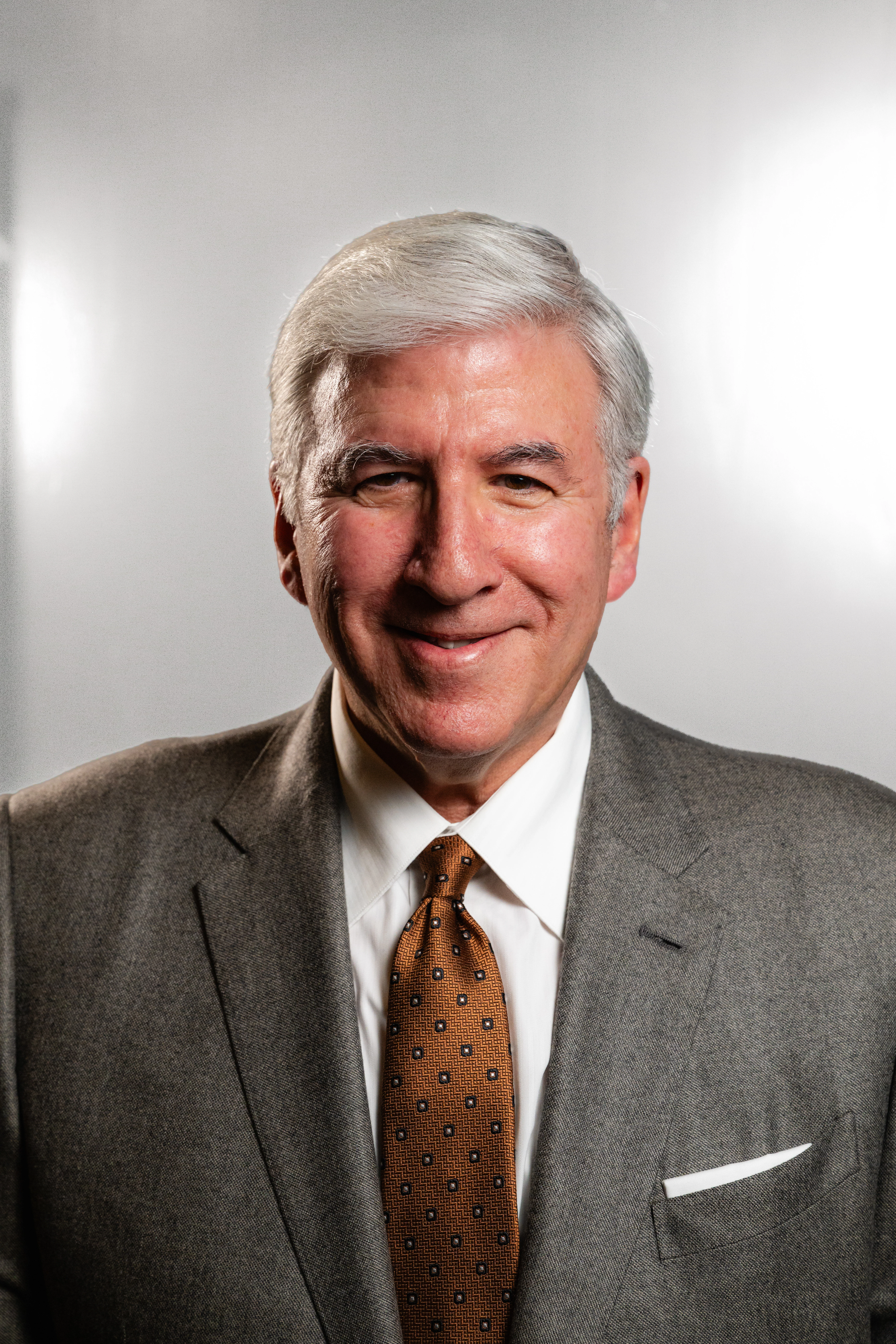
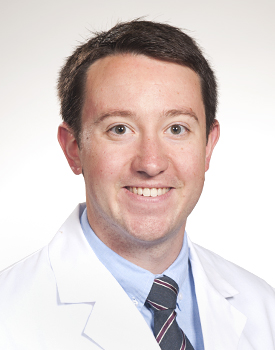
Arno H. Fried, MD, FACS, FAANS
Pediatric & Adult Neurosurgeon
A brain or spine tumor diagnosis is scary for any family. You need answers, expert guidance, and caring support. At Advanced Neurosurgery Associates in Rutherford, NJ, our pediatric neurosurgeon NJ team offers full evaluation, diagnosis, and brain and spine tumor treatment NJ families can trust.
Every child’s case is unique. We work closely with families to build a treatment plan for the child. Our goal: the best outcome while protecting brain function and quality of life.
About brain and spine tumors:
Our approach includes:
Advanced Neurosurgery Associates, Rutherford NJ, cares for infants, children, and teens across New Jersey.
We’re here if:
We’re committed to expert care, real support, and clear answers at every step.
Pediatric brain and spine tumors are abnormal growths in the brain, spinal cord, or nearby tissue. They show up during childhood. These are among the most common solid tumors found in kids. They need special care from a pediatric neurosurgeon NJ, since a child’s brain and spine are still growing.
About tumor growth:
Our pediatric brain tumor specialists check each child closely. We look at the tumor type, its location, and the best treatment plan.
When a spinal tumor needs spine tumor surgery New Jersey, our experienced spine surgeon New Jersey team works with pediatric specialists. This ensures safe, effective care built for growing kids.
Families from Rutherford to neurosurgeon Jersey City searches trust our team for expert, close-to-home care.
Meet Our Expert Team
Advanced Neurosurgery Associates provides specialized brain and spine care in New Jersey. Our board-certified neurosurgeons evaluate complex neurological and spinal conditions, using advanced diagnostic imaging and individualized treatment plans. Care includes conditions affecting the brain, spinal cord, and spine, with surgical and non-surgical options based on each patient’s diagnosis, symptoms, and imaging findings. Patients receive coordinated care focused on safety, precision, recovery, and long-term neurological health.
Brain tumor symptoms vary by size, location, and how fast the tumor grows. Watch for:
Early diagnosis matters. Pediatric brain tumors can affect a child’s brain function, growth, learning, and daily life. Fast evaluation by a pediatric brain tumor specialist means faster treatment and better outcomes.
Early and accurate diagnosis is essential for determining the most effective treatment plan. At Advanced Neurosurgery Associates, our pediatric neurosurgical team uses advanced diagnostic tools to evaluate brain and spinal tumors with precision.
Your child’s evaluation may include:
These diagnostic steps help our team understand the tumor’s size, location, and characteristics, allowing us to create a personalized treatment plan.
Treatment depends on several factors, including the tumor type, location, size, growth rate, your child’s age, and overall health. Our pediatric brain tumor specialists work closely with pediatric neurologists, oncologists, radiologists, and rehabilitation specialists to provide coordinated, evidence-based care, including spine tumor treatment New Jersey families can rely on. Treatment options may include:
Some slow-growing or benign tumors may only require regular MRI scans and ongoing monitoring.
Surgery is often the primary treatment for many pediatric brain tumors. Our neurosurgeons use advanced microsurgical techniques to remove as much of the tumor as safely possible while protecting healthy brain tissue.
Children with spinal tumors may require surgery to remove the tumor, relieve pressure on the spinal cord, or stabilize the spine. Our experienced New Jersey spine surgeons use advanced surgical techniques designed to preserve spinal function and support healthy growth whenever possible.
Chemotherapy may be recommended before or after surgery for certain tumor types.
Radiation therapy may be used when appropriate, particularly for older children, while carefully considering long-term effects.
Many children benefit from rehabilitation following treatment, including:
Some tumors respond to medications that specifically target genetic changes within cancer cells.
Every child’s recovery is unique. Factors such as tumor location, surgical complexity, age, and overall health all influence the healing process.
Following treatment, children may require:
Our team provides ongoing follow-up care to monitor recovery, detect any recurrence early, and help children return safely to school and daily activities.
The length of treatment varies depending on the tumor type and the recommended therapy. Some children may require surgery followed by monitoring, while others may need additional treatments such as radiation or chemotherapy.
In many cases, surgeons can remove most or all of the tumor. However, this depends on the tumor’s size, type, and location within the brain or spinal cord. Neurosurgeons carefully evaluate each case to determine the safest and most effective surgical approach.
Common early symptoms may include persistent back pain, muscle weakness, numbness in the arms or legs, difficulty walking, or changes in bowel or bladder function. If these symptoms appear, it is important to seek medical evaluation.
No. Some brain tumors are benign (non-cancerous), while others are malignant (cancerous). A specialist must perform imaging tests and sometimes a biopsy to determine the exact type of tumor.
Common signs may include frequent headaches, vision problems, nausea, balance issues, or seizures. Some people may also notice weakness in the arms or legs or changes in memory or behavior.
Decisions are based on the severity of symptoms, impact on daily life, results from imaging/tests, and response to nonsurgical treatments. Your surgeon will discuss risks, benefits, alternatives, and expected results to help you make an informed choice.
Yes, many children can successfully recover from brain tumors with early diagnosis and appropriate treatment. Advances in surgery, imaging, and targeted therapies have improved survival rates and long-term outcomes for many pediatric patients.
Parents can schedule an appointment with a brain tumor specialist by contacting Advanced Neurosurgery Associates through the website or by calling one of our New Jersey offices. Our team can help arrange consultations, evaluations, and second opinions.
Brain tumors are typically treated by neurosurgeons and pediatric neurology specialists. At Advanced Neurosurgery Associates, experienced neurosurgeons provide advanced care and treatment planning for children diagnosed with brain or spinal tumors.
Recovery depends on the type of tumor, its location, and how early it is treated. Many children experience significant improvement after treatment when managed by experienced neurosurgical specialists and a multidisciplinary care team.
Early evaluation makes a real difference in outcomes for pediatric brain and spine tumors. If your child is showing any of the symptoms above, don’t wait — speak with our pediatric neurosurgery team today.