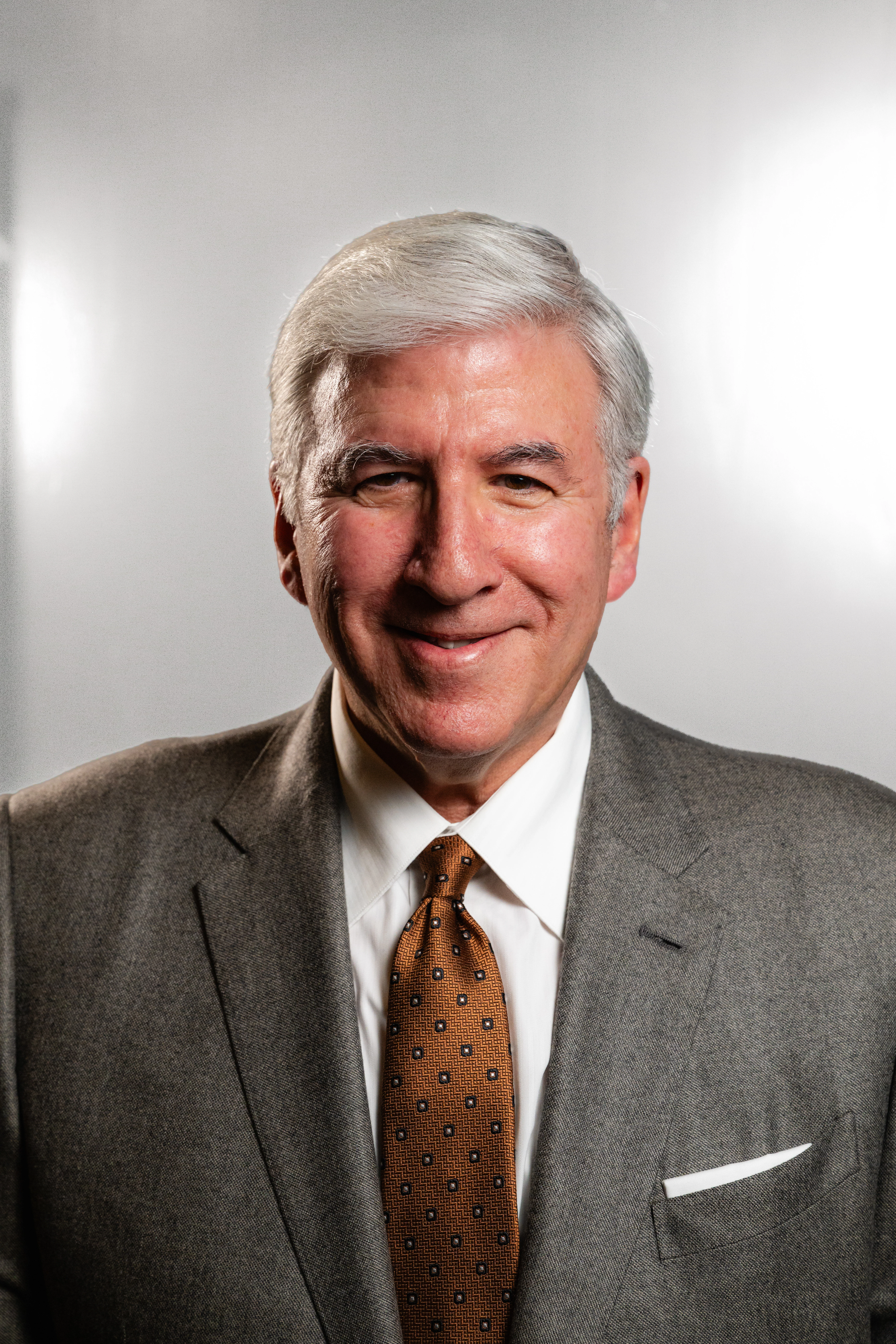
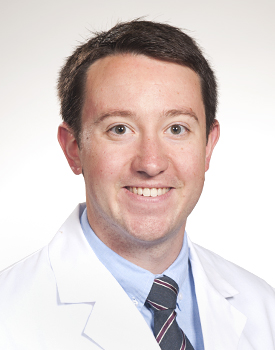
Arno H. Fried, MD, FACS, FAANS
Pediatric & Adult Neurosurgeon
Pediatric brain and spine trauma needs prompt medical attention. Early evaluation can help reduce the risk of serious complications and support a child’s recovery.
Falls, sports injuries, car accidents, and other traumatic events can affect the brain, spinal cord, or nervous system. Quick diagnosis and proper treatment are important for children with these injuries.
At Advanced Neurosurgery Associates, our pediatric neurosurgeon and neurosurgeon New Jersey specialists provide specialized care for children with brain and spine trauma. Our team offers:
If a child needs a spine surgeon in New Jersey, our team can provide an evaluation and recommend the right treatment based on the injury. We focus on clear communication and personalized care at every stage.
With locations in Rutherford, Morristown, and New Brunswick, New Jersey Advanced Neurosurgery Associates makes specialized pediatric brain and spine care more accessible to families throughout New Jersey.
At Advanced Neurosurgery Associates, our experienced pediatric neurosurgeon and neurosurgeons in New Jersey provide comprehensive care for children with pediatric brain and spine trauma. From emergency evaluation and advanced diagnostic imaging to surgical treatment and rehabilitation planning, our multidisciplinary team delivers personalized, evidence-based care. With convenient locations in Rutherford, Jersey City, Morristown, and New Brunswick, families have access to expert pediatric brain and spine trauma care close to home, ensuring every child receives the treatment and follow-up needed for the best possible outcome.
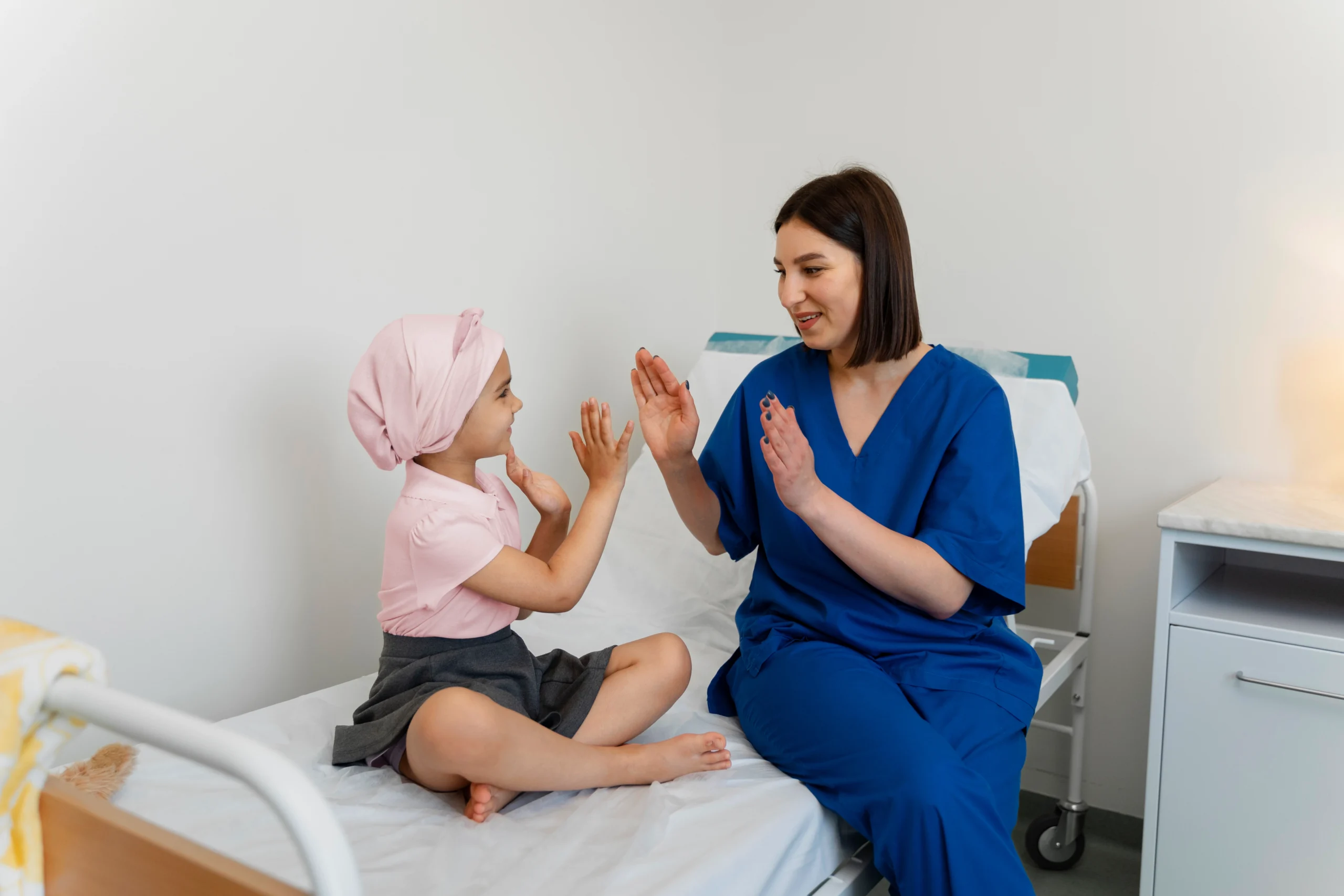
Kids’ brains and spines are still growing. This makes them more prone to injury than adults. That’s why trauma care needs an experienced pediatric neurosurgeon in NJ.
Key differences in children:
Trust a top spine surgeon New Jersey parents recommend for your child’s care.
Meet Our Expert Team
At ANA — Movement. Vitality. Medicine., we are committed to providing exceptional pain, vein, and wellness services that empower individuals to reclaim their health and well-being. With our team of Harvard-trained experts, we strive to deliver transformative outcomes that restore comfort, confidence, and quality of life. ANA stands for our mission to help every patient relieve discomfort, restore motion, and renew life.
A TBI happens when a hit or blow hurts the brain. It can be mild or life-threatening. Fast diagnosis and care from pediatric neurosurgeons lead to the best recovery.
Common causes:
Possible symptoms:
A concussion is the most common mild brain injury in kids. It happens after a head hit or a sudden jolt that shakes the brain.
Signs of a concussion:
Most kids get better with rest and care. Our pediatric neurosurgeons check each child closely. This rules out bigger problems and guides a safe return to normal life.
A skull fracture is a crack or break in the skull from a strong hit. Some heal on their own. Others need surgery.
Types of skull fractures:
Our team, working alongside an orthopedic spine surgeon New Jersey families trust, picks the right treatment for each child.
This is blood that collects between the skull and the brain’s covering. It can build up fast after a head injury and raise pressure inside the skull.
Symptoms may include:
This is an emergency. It often needs surgery right away.
This happens when blood collects under the brain’s outer covering. It’s usually caused by torn blood vessels after a head injury.
Treatment may include:
Quick care lowers the risk of serious problems.
DAI is a serious injury caused by sudden twisting or shaking of the head. It damages nerve fibers and hurts communication between brain cells.
Children with DAI may have:
Treatment focuses on keeping the child stable, protecting the brain, and supporting recovery through rehab and ongoing care from our pediatric neurosurgeons.
The cervical spine (neck) is the most common spine injury site in young kids. Kids have bigger, heavier heads compared to their bodies. This puts more stress on the neck during an injury.
Common cervical spine injuries:
Symptoms may include:
Early diagnosis by a pediatric neurosurgeon NJ helps protect the spinal cord and lowers the risk of long-term problems.
An SCI happens when the spinal cord is damaged. It can affect movement, feeling, and normal body functions below the injury.
Possible symptoms:
Treatment may include:
Our pediatric neurosurgeons work closely with rehab specialists to support recovery at every step.
SCIWORA mostly affects children. The spinal cord is hurt even though X-rays or CT scans look normal. This happens because a child’s spine bends more easily than an adult’s.
Diagnosis often needs:
Early diagnosis stops further injury and starts the right treatment fast.
A vertebral fracture is a break in one or more spine bones. It can be mild or serious.
Common causes:
Treatment may include:
Our team, including a trusted orthopedic spine surgeon New Jersey and top spine surgeon New Jersey, builds a treatment plan to protect the spinal cord and help kids heal safely.
Quick and accurate diagnosis is essential after a brain or spine injury. Our team uses advanced imaging and neurological evaluations to identify the injury and develop the right treatment plan.
Your child’s evaluation may include:
Our pediatric neurosurgeons are experienced in reading children’s imaging studies. They understand the normal changes that occur as a child grows, helping ensure an accurate diagnosis and appropriate treatment.
Treatment depends on the type of injury, its location, and how severe it is. Our team creates a personalized treatment plan based on your child’s condition and recovery needs.
Treatment options may include:
At Advanced Neurosurgery Associates, every child receives individualized care. Our neurosurgeons work closely with other specialists and keep families informed throughout the treatment and recovery process.
We understand that a traumatic injury to your child is one of the most frightening experiences a family can face. Advanced Neurosurgery Associates has four offices across New Jersey — in Rutherford, Jersey City, New Brunswick, and Morristown — and our surgeons are experienced in managing the most complex pediatric brain and spine trauma cases.
Whether you are seeking a second opinion, a post-acute evaluation, or urgent neurosurgical consultation, we are here.
Pediatric brain and spine trauma refers to injuries affecting a child’s brain, skull, spinal cord, or spine caused by falls, sports injuries, motor vehicle accidents, or other traumatic events. Prompt evaluation is important to reduce the risk of serious complications.
Signs may include severe headache, vomiting, loss of consciousness, confusion, dizziness, seizures, unusual sleepiness, changes in behavior, or difficulty walking or speaking. Seek immediate medical care if these symptoms occur after a head injury.
Your child should see a pediatric neurosurgeon if they have a serious head or spine injury, persistent neurological symptoms, or abnormal imaging results, or if emergency physicians recommend a specialist evaluation.
Diagnosis typically includes a physical and neurological examination along with imaging studies such as CT scans or MRI to evaluate the brain, skull, spine, or spinal cord and determine the extent of the injury.
No. Many children recover with observation, medication, and rehabilitation. Surgery is recommended only when necessary to relieve pressure on the brain or spinal cord, repair fractures, or treat severe traumatic injuries.
Recovery depends on the type and severity of the injury. Some children recover within weeks, while others may require rehabilitation, physical therapy, and ongoing follow-up with a pediatric neurosurgeon to support long-term neurological recovery.
If your child has sustained a head or spine injury and you need expert neurosurgical evaluation, contact us today.