Many people think of lower back pain when they hear the word “slipped disc.” Cervical disc herniation in the neck, on the other hand, is just as prevalent and often considerably more disruptive. In today’s digital world, when people spend a lot of time slumped over laptops and smartphones, “tech neck” has become more common, and so have problems with the cervical spine.
Understanding cervical disc herniation in New Jersey is important for early detection and adequate care for people who work in an office, work from home, or use a lot of technology. Cervical herniations, on the other hand, can cause symptoms that go beyond the neck and into the shoulders, arms, and even hands.
What is a herniated cervical disc?
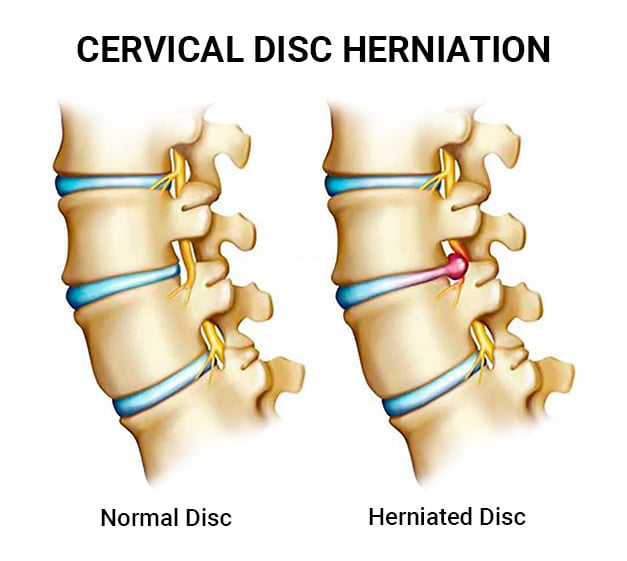
The cervical spine (C1–C7) consists of seven vertebrae, separated by soft, gel-like discs that serve as cushions. When the inner part of a cervical disc pushes through its outer covering and presses on surrounding nerves or the spinal cord, the condition is called a cervical disc herniation.
The spinal canal in the neck is smaller than in the lower back, and even a minor herniation can create many problems. This is why it’s so vital to find and treat the problem early. If people in Rutherford, NJ are looking for a cervical herniated disc, knowing these early indicators might help avoid problems that last a long time.
Why Cervical Disc Herniation Is So Common These Days
Today’s lifestyle primarily causes cervical spine problems. Some important things that contribute are the following:
- Long periods of screen time: Looking down at devices all the time might hurt your neck.
- Bad posture: Slouching or leaning forward puts more stress on the cervical discs.
- Sedentary Lifestyle: Weak muscles don’t hold up the spine well.
- Repetitive Movements: Doing the same thing again and over, such as typing or working at a desk, can cause strain over time.
- This combination has made cervical disc herniation a bigger problem in New Jersey, especially for people who work.
More than just neck pain are symptoms
One of the hardest things about cervical disc herniation is that the symptoms don’t always stay in the neck. Instead, they often spread out, which is called radiculopathy.
Some common signs are:
- Neck Pain: Usually not as bad as other symptoms
- Radiating Arm Pain: Pain that seems like it’s burning or acute and moves down the arm
- Tingling or numbness, especially in the index and thumb fingers
- Weakness in the muscles makes it hard to lift or hold things.
It’s easy to confuse these symptoms with shoulder injuries or repetitive strain injuries, which can make it harder to get the right diagnosis.
Don’t Ignore These Warning Signs
Some symptoms may mean something more dangerous because the cervical spine is near the spinal cord.
If you have any of the following, you should consult a doctor right away:
1. Loss of Fine Motor Skills
If you have trouble with things like buttoning a shirt, typing, or writing clearly, it could be due to nerve damage.
2. Pain in the shoulder blade
A characteristic but often missed sign is a deep, constant pain between the shoulder blades.
3. Arms that are heavy or tired
If your arms feel especially heavy or weak, it could indicate that your nerves are being compressed.
4. Tingling that doesn’t go away
If you get pins and needles that don’t go away, it could mean that your nerves are still irritated.
It’s essential for anyone who is coping with cervical herniated disc NJ Rutherford issues to notice these indicators early.
When to Go to the Doctor
It’s normal to have neck pain occasionally, but some symptoms need to be checked out right away. If you have any of the following, you should see a specialist:
- Headaches at the back of the head
- Feeling like you’re getting shocked when you move your head
- Pain or numbness in the arm that doesn’t go away
- Not being able to coordinate or balance
- Changes in how you walk (gait problems)
These could be signs of spinal cord compression, which is a dangerous condition that needs immediate medical attention. If you think you have a cervical disc herniation in New Jersey, getting help early can stop your symptoms from getting worse and speed up your recovery.
Cervical Disc Herniation Diagnosis
A good diagnosis usually includes a mix of the following:
- Physical Examination: Testing strength, reflexes, and how far you can move
- Imaging Tests: MRI scans are the best way to find out if a disc has herniated.
- Neurological Assessment: To check how well the nerves are working and find radiculopathy
- A correct diagnosis makes sure that the treatment is right for your unique needs.
Choices for treatment
How bad the symptoms are will determine how to treat cervical disc herniation. Most cases can be handled without surgery.
Treatments that don’t involve surgery
Physical therapy strengthens the muscles in your neck and helps you stand up straight.
- medications: Anti-inflammatory medications to ease pain and swelling
- Change in activity: staying away from moves that make symptoms worse
- Ergonomic Changes: Making the workstation better
These methods generally work for people in Rutherford, NJ, who have a cervical herniated disc.
Advanced Treatments
If symptoms don’t go away, other choices may include:
Epidural steroid injections help reduce swelling surrounding nerves.
Chiropractic care: sometimes used to help with alignment
Surgical Choices
People only think about surgery when other therapies don’t work or when the nerves or spinal cord are really compressed. Some common procedures are the following:
- Discectomy: Taking off the part of the disc that has herniated
- Cervical Fusion: Making the spine stable
- Artificial Disc Replacement: Keeping the spine moving
Avoiding Herniation of the Cervical Disc
Prevention is very important for people who work in offices and use technology. You can greatly lower your risk by making a few adjustments to your lifestyle:
- Keep your back straight while you sit and work.
- Put screens at eye level
- Take breaks from your devices often.
- Do neck stretches and exercises to make your neck stronger.
- Use workstations and seats that are good for your body.
These behaviors can help keep your spine safe and lower your chances of getting cervical disc herniation in New Jersey.
How to Live with Cervical Disc Herniation
Most people get better after a cervical disc herniation with the right treatment and changes to their lifestyle. If you get diagnosed early and get regular care, you can get back to your typical activities without any long-term problems.
For people who use computers and mobile devices a lot at work, it’s quite important to take care of their back pain.
Conclusion
Cervical disc herniation can have a big impact on your daily life, especially if you work at a desk or spend a lot of time in front of a screen. It’s important to catch early signs like arm soreness, tingling, or weakness to avoid problems. Most instances get better with non-surgical therapy and modifications to daily living if they are treated quickly. If you live in New Jersey and have symptoms of cervical disc herniation or cervical herniated disc NJ Rutherford, getting expert care can speed up your recovery and keep you from having problems in the future.
Frequently Asked Questions
1. What does it mean to have a cervical disc herniation?
A cervical disc herniation happens when a disc in the neck breaks and presses on adjacent nerves. This can cause discomfort, numbness, or paralysis in the neck, shoulders, and arms.
2. What are the most common signs of cervical disc herniation?
Neck pain, radiating arm pain, tingling, numbness, and muscle weakness are all common symptoms. The hands and fingers are generally the most affected.
3. Is it possible for a cervical disc herniation to heal on its own?
Yes, most instances get better with non-surgical treatments like physical therapy, medicine, and adjustments to how you live.
4. Who is likely to have a cervical disc herniation?
People who work in offices, utilize technology, or have bad posture or neck pain from doing the same thing over and over again are more likely to get hurt.
5. When should I go to the doctor for neck pain?
If you have pain, numbness, weakness, headaches, or trouble with coordination or walking that doesn’t go away, you should see a doctor.
6. What can I do to stop cervical disc herniation?
Maintain good posture, take breaks from screens, use ergonomic setups, and perform regular neck exercises to reduce strain on your cervical spine.