As we grow older, our bodies naturally change, and the spine is no exception. Over the years, the discs that pad the bones of the spine slowly lose their water content, becoming less flexible and more susceptible to wear and tear. The process is usually referred to as degenerative disc disease (DDD).
It can sound scary, but it’s usually a normal part of aging, like getting gray hair or wrinkles. Many folks have some degree of disc degeneration and never know it. But a herniated disc is often the result of unexpected stress on a damaged spinal disc, holding a large object, twisting awkwardly, or even a strong cough or sneeze.
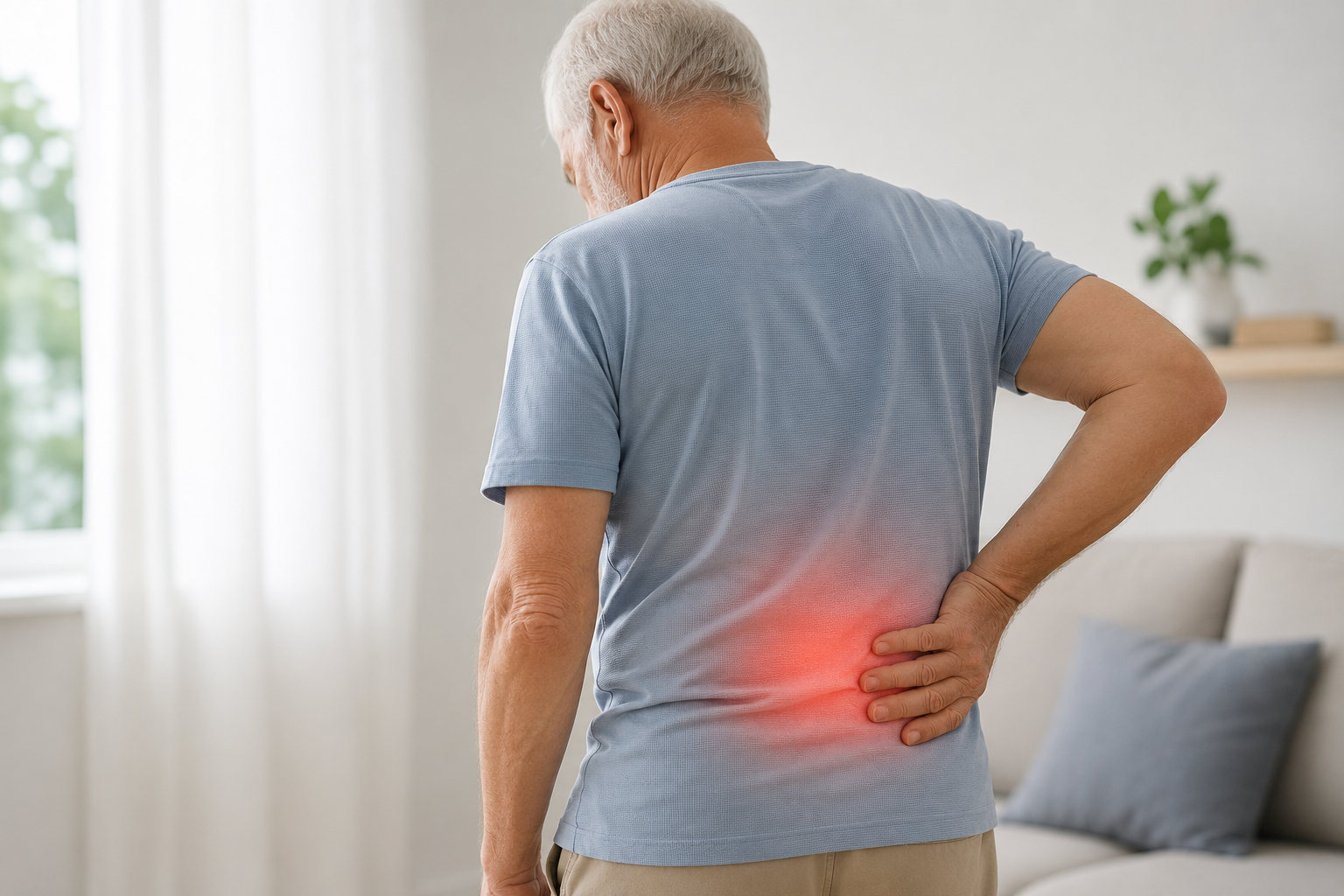
For older adults, the symptoms of a herniated disc are not always dramatic. Instead of sharp, shooting pain, many people describe a constant “heavy leg,” lingering calf cramps, numbness, or weakness that slowly affects mobility and daily comfort.
ANA Neurosurgeons offers patients with specialist care focused on long-term spine health, mobility, and advanced herniated disc therapy options that allow people to keep living an active and independent lifestyle.
Understanding Degenerative Disc Disease and Aging
The spinal discs act as shock absorbers between the vertebrae. In younger adults, these discs are soft, hydrated, and flexible. Over time, however, they begin to lose elasticity and moisture.
This gradual loss can lead to the following:
- Thinning of discs
- Reduce flexibility
- Perfect fissures in the disc wall
- The stiffening of the spine
- Higher chance of disc herniation
- Aging its products does not imply you will experience serious back problems, but it might make your back more vulnerable to injury and irritation.
What Is a Herniated Disc?
A herniated disc occurs when the soft inner material of a spinal disc pushes through a weakened or damaged outer layer. When this material presses against nearby nerves, it can cause pain, numbness, tingling, or weakness.
In older adults, symptoms may develop slowly and feel different from the sudden “electric” pain often experienced by younger individuals.
Common symptoms include:
- Persistent lower back pain
- Leg heaviness
- Tingling or numbness
- Muscle weakness
- Difficulty standing or walking for long periods
- Chronic calf or thigh cramping
- Some patients may also experience neck-related symptoms if the herniation occurs in the cervical spine.
For more information about neck-related disc conditions, explore the following:
Beyond the Back: Cervical Disc Herniation Explained
Your MRI Is Not Your Destiny
One of the most important things older adults should understand is that imaging results do not always match symptoms.
Many people have disc bulges or herniations visible on MRI scans but experience little to no pain. Conversely, some patients with moderate imaging findings may have significant discomfort.
The purpose of seeing a spine specialist is not simply to “fix the scan.” Instead, the goal is to:
- Protect nerve function
- Maintain mobility
- Improve quality of life
- Reduce pain
- Prevent worsening neurological symptoms
- A personalized approach to herniated disc treatment focuses on the patient’s symptoms, physical function, and long-term health, not just imaging alone.
When Is Conservative Treatment Enough?
In many cases, mild to moderate symptoms improve over time without surgery. For older adults with manageable pain, a “wait and see” approach for approximately 4–6 weeks is often reasonable.
Conservative treatment may include the following:
- Physical therapy
- Anti-inflammatory medications
- Gentle exercise
- Activity modification
- Heat or ice therapy
- Epidural steroid injections
- Many patients improve significantly with non-surgical care and never require surgery.
To learn more about available treatment options, visit:
Comprehensive Guide to Disc Herniation Symptoms, Diagnosis, and Advanced Treatment Options
When Should You See a Doctor Immediately?
Many herniated discs can be treated with conservative measures, but several signs should never be disregarded, especially in the older adult.
You should get medical help right away if you have:
Balance Problems or Dropping
If you feel unsteady when you walk or are currently slipping, it might indicate that your muscles are getting pinched, which is affecting your strength and coordination.
Symptoms Both Legs
If pain, numbness, tingling, or weakness affects both legs at the exact same time, it might suggest more serious spinal nerve involvement.
Fever and Back Pain
Back pain with fever could be a spreading disease rather than a normal disc herniation, and has to be looked at urgently.
Continual Weakness
Increasing weakness in legs or failure to control movement requires immediate medical care.
Loss of control of bladder or bowel control
This may be an indication of a serious condition called cauda equina syndrome that requires emergency care.
Can Seniors Avoid Herniated Disc Surgery?
Not all patients with spinal degeneration need to have surgery. In fact, a lot of seniors do well with lifestyle modifications and conservative care to control symptoms.
Useful strategies are:
- Activity
- keeping a healthy weight
- Good posture habits
- Nothing heavy.
- Strengthening of core muscles
- Following the advice of a physical therapist
But surgery can be the safest and most effective choice if severe nerve compression is affecting mobility or quality of life.
People who want to have herniated disc surgery NJ should work with reputable spine specialists to develop the best-tailored treatment plan.
Herniated Disc Advanced Treatment Options
Today’s spine care offers multiple options for treatment based on the severity of symptoms and the spinal condition.
Treatment options can include:
- Rehabilitation without surgery
- Epidural injections
- Minimally invasive spine procedure
- Microdiscectomy
- Spine decompression surgery
At Advanced Neurosurgery Associates, doctors focus on evidence-based care tailored to relieve pressure on the nerve while preserving mobility and function whenever possible.
Additional educational resources:
What Does a Herniated Disc Feel Like?
Herniated Disc Treatment Resources
Living Well With an Aging Spine
Aging does not mean giving up your independence or quality of life. Spinal discs do change over time, but with the right care, many people can live active, healthy lives.
Bottom line: listen to your body, treat symptoms early, and work with skilled physicians who understand the unique needs of older persons with spinal degeneration. Even when imaging shows degeneration, there are often many effective ways to manage symptoms, improve comfort, and maintain mobility without major limitations.
Trusted Care for Aging Spine Conditions
Don’t let aging and spinal wear limit your lifestyle. Discover advanced herniated disc treatments designed to relieve pain, restore mobility, and help you stay active with expert care from ANA Neurosurgeons.
Schedule a ConsultationConclusion
Degenerative disc degeneration and spinal wear are part of aging, but a herniated disc does not necessarily entail surgery or lasting disability. Many older persons successfully handle symptoms with conservative medicine, physical therapy, and healthy lifestyle practices. The key is to watch for warning signs, such as issues with balance, increasing weakness, bilateral signals, or fever, and to get checked out when necessary.
At ANA Neurosurgeons, patients may expect compassionate and personalized attention for their spinal issues, advanced herniated disc treatment, and skilled herniated disc surgery NJ evaluation, if necessary. With an appropriate treatment plan, you may stay mobile, reduce discomfort, and continue enjoying everyday life.
(FAQ)
1. Is degenerative disc disease just a typical aspect of aging?
Yes. Degenerative disc disease is a common consequence of aging, as the discs in the center naturally dehydrate and become less flexible as we age.
2. What is the sensation of a herniated disk in elderly adults?
Instead of severe, sudden discomfort, some may experience chronic back pain, leg heaviness, numbness, calf cramps, weakness, or difficulty walking.
3. Should all herniated disks be operated on?
No. Many people improve with conservative herniated disc treatment involving physical therapy, medicines, and a change of activities.
4. When should I get medical help for back pain?
See a doctor if symptoms get worse, involve both legs, impact balance, include fever or weakness, or cause bowel/bladder problems.
5. Can MRI findings predict the level of pain?
Not every time. MRI scans often show disc problems among many people who have little pain or symptoms.
6. What is the treatment for herniated disc surgery in NJ?
Depending on the severity of the condition, treatment options may include minimally invasive procedures, decompression surgery, or other advanced spine therapies indicated by a specialist.