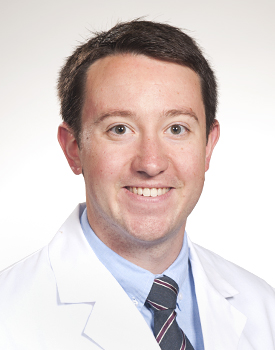
Arno H. Fried, MD, FACS, FAANS
Pediatric & Adult Neurosurgeon
Craniofacial” means the bones of the skull and face. Sometimes these bones don’t grow the right way. This can cause head or face malformations.
Families looking for childrens craniofacial disorders Rutherford NJ care often deal with:
The brain grows fast before birth and during the first three years of life.
A baby’s skull is made of several bony plates, not one solid piece. These plates are joined by:
These plates fuse into one solid skull between 6 and 18 months of age.
Sometimes the plates fuse too early or in an odd way. This causes an abnormally shaped head.
This can also harm the brain. As the brain grows, it has no room to expand. That pressure can cause neurological damage.
In some cases, other brain conditions like a Chiari malformation are also involved. When needed, our team offers Chiari malformation surgery alongside craniofacial care.
Children with these conditions need specialized Pediatrics Cranial Disorders Rutherford NJ care. A pediatric neurosurgeon evaluates each child closely.
Treatment may include:
Not sure if your child’s head shape is a concern?
Get a Second Opinion
A normal skull has several bone plates. Loose connections called sutures separate them. This lets the skull grow along with the brain.
Craniosynostosis happens when one or more sutures close too early. This limits skull growth.
This can cause:
Most cases have no family history. But some factors raise the risk:
Most children with craniosynostosis are otherwise healthy. They usually have normal intelligence.
Craniosynostosis is often present at birth. Mild cases may not be caught right away. It’s usually diagnosed in the first few months of life.
Diagnosis includes:
If your child’s pediatrician has expressed concern, if you feel for any reason that your child’s head shape is unusual or not growing well, or if he/she displays the above signs or symptoms, contact us at Advanced Neurosurgery Associates. In the meantime, you can see the results of treatment for this condition on a revealing patient video:
If you notice any of these signs, call us today at 201-457-0044 — early evaluation matters.”
Meet Our Expert Team
Advanced Neurosurgery Associates provides specialized brain and spine care in New Jersey. Our board-certified neurosurgeons evaluate complex neurological and spinal conditions, using advanced diagnostic imaging and individualized treatment plans. Care includes conditions affecting the brain, spinal cord, and spine, with surgical and non-surgical options based on each patient’s diagnosis, symptoms, and imaging findings. Patients receive coordinated care focused on safety, precision, recovery, and long-term neurological health.
Craniofacial disorders can come from a birth defect, illness, or injury. There are many types of craniofacial syndromes. Symptoms vary based on the type and how severe it is.
Common symptoms include:
Craniosynostosis is one of the most common craniofacial disorders. Some babies are born with an unusual head shape. This doesn’t always mean craniosynostosis.
The baby’s position in the womb, or trauma during birth, can also cause head shape changes. These often correct themselves over time.
With craniosynostosis, though, the problem gets worse over time. Babies may look fine at first. This can make parents wonder if surgery is really needed.
Left untreated, craniosynostosis can lead to:
Some children with craniofacial or skull growth issues also show Chiari malformation symptoms, such as headaches, neck pain, balance problems, or dizziness. If your child has these signs alongside a head shape concern, our team can evaluate for both conditions together.
There can be several conditions that contribute to craniofacial disorders:
These three grades of concussions were characterized as follows: Grade 1 was characterized by transient symptoms and Grade 3 was the most serious and requires immediate medical attention.
Some craniofacial conditions can be seen at birth, while others show later as a baby’s head develops. In these cases, the first diagnosis may be done by examination alone. Other diagnostic tests, such as an MRI or CT scan, help clarify the diagnosis by showing detail about your child’s skull, brain, and facial structure.
A pediatric neurosurgeon may decide to monitor your baby’s development over a period of time to see if and how the craniofacial condition progresses. Our neurosurgeons are pediatric specialists with extensive expertise in developing treatment plans for the best possible outcomes.
A computerized tomography scan (also called a CT or CAT scan) of the head is a detailed diagnostic imaging procedure. It uses a combination of x-rays and computer technology to produce cross-sectional images (often called slices), both horizontally and vertically, of the head.
A CT scan shows detailed images of any part of the body, including the bones, muscles, fat, and organs. CT scans are more detailed than general x-rays.
Although craniofacial surgery includes combined intracranial and extracranial surgery, the broad scope of the subspecialty is applicable to other procedures in the craniofacial region. Surgeons trained in craniofacial surgery should be able to manage any hard or soft-tissue reconstruction problem of the craniofacial region. Contact us to discuss your child’s case.
Early detection and treatment are key. At Advanced Neurosurgery Associates, we offer expert pediatric craniofacial disorders treatment in Rutherford, NJ. This helps children get a fast diagnosis and the right care.
Some craniofacial disorders and craniosynostosis cases can affect brain growth and development. Severity depends on:
Surgery is often the best option. It helps correct the shape of the skull or face bones. This supports healthy growth and development. The right approach depends on the type and severity of the condition.
Some children with craniofacial disorders also have a Chiari malformation, where brain tissue extends into the spinal canal. Chiari malformation treatments range from careful monitoring to surgery, depending on symptoms and severity. Our team evaluates each child to decide the safest, most effective path forward.
Infants with craniofacial anomalies need a team of specialists working together. Ideally, babies should be evaluated in the first few weeks of life.
That said, it’s never too late. Families can reach out to Advanced Neurosurgery Associates for pediatric craniofacial disorder treatment in Rutherford, NJ at any age. Every child gets expert evaluation and a personalized care plan from an experienced pediatric neurosurgeon.
Once the diagnosis of craniosynostosis has been confirmed, the treatment is surgical correction. The operative treatment of craniosynostosis is tailored to the type and severity of each case, as well as the age of the patient.
The best time to intervene is when the infant is between three and nine months of age. However, infants with symptoms and signs of increased intracranial pressure require urgent surgical decompression.
The principal goal in the treatment of craniosynostosis is to remove and remodel fused sutures in the skull.
Children with syndromic craniosynostosis often suffer from progressive synostosis of multiple sutures of the skull and skull base. These patients require additional surgical consideration.
Your child should be evaluated if you notice an abnormal head shape, facial asymmetry, or delayed skull growth. Early diagnosis and treatment can improve brain development, appearance, and long-term outcomes.
Many children with Apert syndrome require one or more surgeries to treat craniosynostosis, improve skull growth, and correct hand or facial abnormalities. Treatment depends on each child’s specific needs.
Common signs include an uneven or flattened head shape, an unusually long or wide skull, facial asymmetry, or delayed skull growth. Some children may also experience developmental concerns depending on the underlying condition.
Facial malformations can be caused by conditions such as craniosynostosis, Apert syndrome, Crouzon syndrome, Treacher Collins syndrome, and cleft lip and palate. Early diagnosis and treatment can help improve a child’s development and quality of life.
Common facial deformity syndromes include Apert syndrome, Crouzon syndrome, Treacher Collins syndrome, and Pfeiffer syndrome.
Not all cranial deformities cause brain damage. However, conditions such as craniosynostosis, where the skull bones fuse too early, can restrict brain growth and increase pressure inside the skull if left untreated. Early evaluation by a pediatric neurosurgeon is important to determine whether treatment is needed.
If you’re concerned about your child’s head shape, growth, or development, our pediatric neurosurgical team is here to provide clear answers, expert evaluation, and advanced, compassionate treatment.