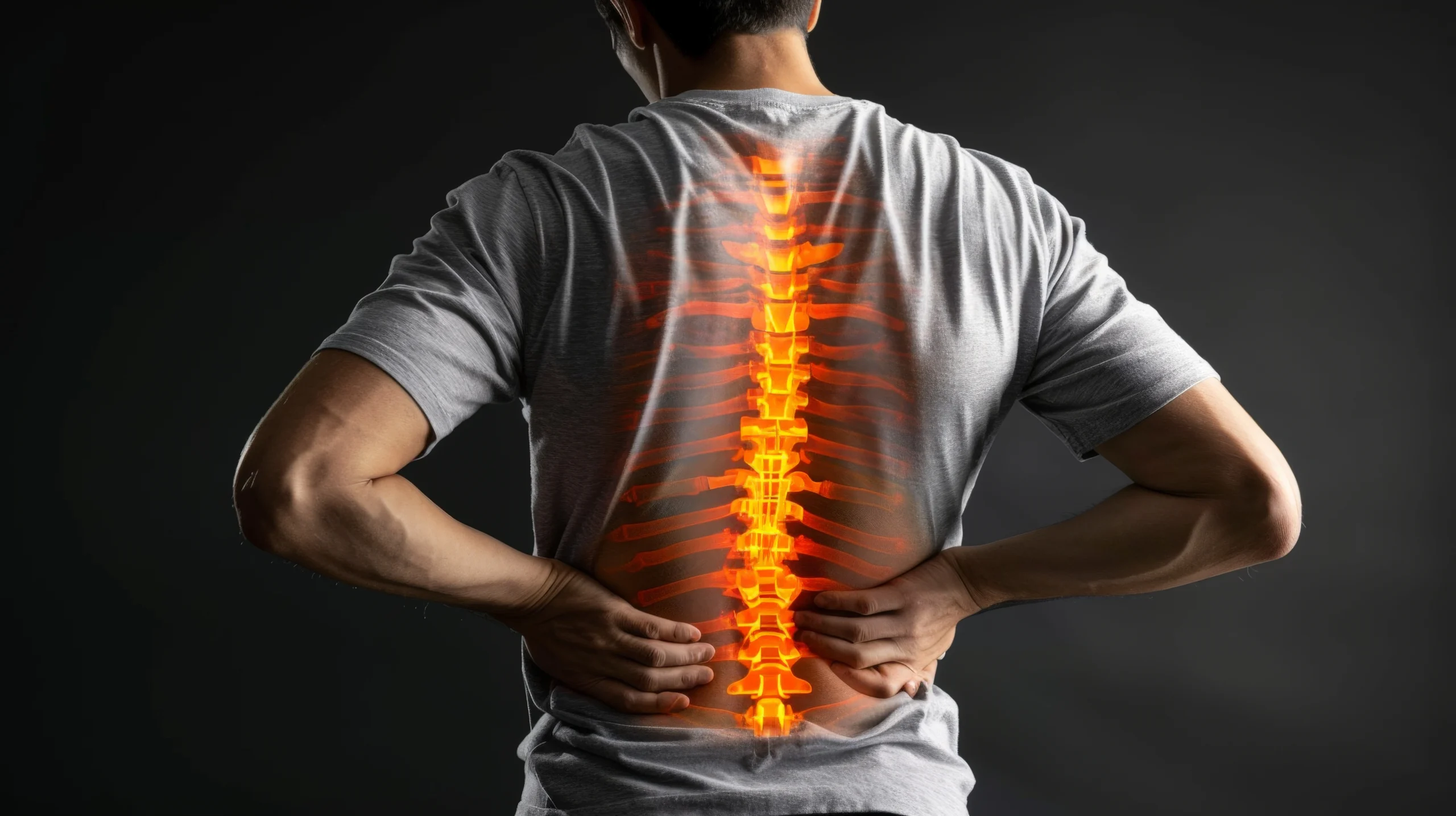

Back and neck pain are among the most common health complaints worldwide, affecting millions of people every year. For many, the underlying cause is a herniated disc, a condition that can significantly impact mobility, comfort, and overall quality of life.
Whether you are dealing with mild discomfort or severe nerve pain, understanding the condition is the first step toward recovery. This guide provides a complete overview of symptoms, causes, diagnosis, and the most effective herniated disc treatment options available today, including advanced care in New Jersey.
What Is a Herniated Disc?
The spine is a complicated system comprising bones (vertebrae) directly on top of one another. In between these bones are soft gel-like discs, which also act as shock absorbers and make them flexible.
A herniated disc is an event where the inner part of a disc breaks through a crack in the outer layer. This may cause strain on surrounding nerves, resulting in pain, numbness, or weakness.
Disc herniation can occur in different areas of the spine:
- Lumbar spine (lower back) – the most common location (disc herniation lumbar)
- Cervical spine (neck) – referred to as cervical disc herniation
What Causes a Herniated Disc?
A herniated disc doesn’t always result from a single injury. In many cases, it develops gradually over time.
Primary Causes:
- Age-related wear and tear (disc degeneration)
- Improper lifting techniques
- Repetitive physical strain
- Sudden twisting movements
- Sedentary lifestyle
- Obesity and excess spinal pressure
As discs lose water content with age, they become less flexible and more prone to tearing even with minor movements.
What Are the First Signs of a Disc Herniation?

Early detection can make a significant difference in recovery.
A herniated disc doesn’t always result from a single injury. In many cases, it develops gradually
over time.
Primary Causes:
- Age-related wear and tear (disc degeneration)
- Improper lifting techniques
- Repetitive physical strain
- Sudden twisting movements
- Sedentary lifestyle
- Obesity and excess spinal pressure
As discs lose water content with age, they become less flexible and more prone to tearing even
with minor movements.
What Are the First Signs of a Disc Herniation?
Early detection can make a significant difference in recovery.
Common Early Symptoms:
- Persistent dull ache in the back or neck
- Pain that worsens when sitting or bending
- Tingling sensations in arms or legs
- Mild muscle weakness
- Pain radiating outward from the spine
These early warning signs often indicate the need for timely herniated disc treatment before
the condition worsens.
Common Symptoms of a Herniated Disc

Symptoms vary depending on the location and severity of nerve compression.
1. Radiating Pain (Sciatica)
Pain may travel from the lower back down the leg or from the neck into the shoulder and arm.
Common Early Symptoms:
- Persistent dull ache in the back or neck
- Pain that worsens when sitting or bending
- Tingling sensations in arms or legs
- Mild muscle weakness
- Pain radiating outward from the spine
These early warning signs often indicate the need for timely herniated disc treatment before the condition worsens.
Common Symptoms of a Herniated Disc
Symptoms vary depending on the location and severity of nerve compression.
1. Radiating Pain (Sciatica)
Pain may travel from the lower back down the leg or from the neck into the shoulder and arm.
2. Numbness and Tingling
A “pins and needles” sensation is common when nerves are compressed.
3. Muscle Weakness
You may experience difficulty lifting objects, gripping items, or maintaining balance.
4. Localized Pain
A deep ache in the back or neck that worsens with movement, coughing, or prolonged sitting.
5. Reduced Range of Motion
Stiffness may limit your ability to bend, twist, or turn comfortably.
Is Walking Good for a Herniated Disc?
Yes, in most cases, walking is highly beneficial.
Benefits of Walking:
- Improves circulation to spinal tissues
- Reduces stiffness
- Encourages natural healing
- Helps maintain mobility
However, if walking increases pain or causes instability, you should consult a specialist immediately.
Diagnosing a Herniated Disc
Accurate diagnosis is essential to determine the best herniated disc treatment approach.
Diagnostic Methods:
1. Physical Examination
Your doctor will check reflexes, muscle strength, and nerve responses.
2. MRI (Magnetic Resonance Imaging)
The most effective tool for identifying disc damage and nerve compression.
3. CT Scan
Provides detailed cross-sectional images of the spine.
4. EMG (Electromyography)
Helps identify which nerves are affected and the severity of damage.
How to Fix a Herniated Disk
Most cases can be treated without surgery. The goal is to relieve pressure on the nerves and support natural healing.
Non-Surgical Herniated Disc Treatment
- Physical therapy programs
- Anti-inflammatory medications
- Epidural steroid injections
- Activity modification
- Posture correction
These conservative approaches are often the first line of treatment and can provide significant relief within weeks. They also play an important role in helping patients better understand what a herniated disc feels like, as symptoms gradually improve and nerve pressure decreases.
Advanced Herniated Disc Treatment Options
When conservative methods are not enough, advanced treatments may be necessary.
Minimally Invasive Procedures
Modern medicine has made it possible to treat spinal conditions with minimal disruption to surrounding tissues.
Benefits include:
- Smaller incisions
- Reduced pain
- Faster recovery
- Lower risk of complications
Patients seeking herniated disc treatment in New Jersey often benefit from these advanced, technology-driven approaches.
Herniated Disc Surgery: When Is It Necessary?
Surgery is typically considered only after other treatments have failed.
You May Need Surgery If:
- Pain persists for more than 6–12 weeks
- Nerve compression causes weakness
- Daily activities are severely limited
- There is progressive neurological damage
In such cases, herniated disc surgery in NJ offers effective solutions for long-term relief.
Types of Herniated Disc Surgery
1. Microdiscectomy
A minimally invasive procedure that removes the portion of the disc pressing on a nerve.
2. Endoscopic Spine Surgery
Uses a small camera and instruments for precise treatment.
3. Spinal Fusion
Used in severe cases to stabilize the spine.
These procedures are typically performed by experienced neurosurgeons using advanced imaging and navigation tools.
Choosing the Right Specialist Near You
Selecting the right provider is crucial for successful recovery.
Types of Specialists:
- Physiatrists – focus on rehabilitation and non-surgical care
- Pain management specialists – provide injections and therapies
- Physical therapists – guide recovery and strengthening
- Neurosurgeons/orthopedic surgeons – handle complex and surgical cases
When searching for care, look for experience, patient reviews, and a multidisciplinary approach.
What to Ask Your Spine Specialist
Before starting treatment, it’s important to ask the right questions:
- What is the exact cause of my pain?
- What are my treatment options?
- Can I avoid surgery?
- What are the risks and benefits?
- How long will recovery take?
At Advanced Neurosurgery Associates, patients are encouraged to ask questions and seek second opinions to ensure clarity and confidence in their care plan.
Recovery and Rehabilitation
Recovery timelines vary depending on severity and treatment type.
Typical Recovery Phases:
Weeks 1–2
Pain management and gentle activity
Weeks 3–6
Physical therapy and strengthening exercises
After 2–3 Months
Return to normal daily activities
Patients who undergo herniated disc surgery often experience faster relief but still require proper rehabilitation for long-term success.
Preventing Future Disc Herniation
Preventing recurrence is just as important as treatment.
Key Prevention Strategies:
- Maintain a healthy weight
- Strengthen core muscles
- Practice proper posture
- Avoid prolonged sitting
- Use correct lifti.ng techniques
- Stay physically active
These lifestyle changes can significantly reduce the risk of future spinal issues.
Why Choose ANA for Herniated Disc Care?
When it comes to spine health, choosing the right medical team can make a significant difference in your recovery journey. At Advanced Neurosurgery Associates (ANA), patients receive expert care from highly trained, board-certified neurosurgeons who specialize in both non-surgical and surgical spine treatments.
Meet the Experts
ANA is led by experienced specialists such as:
- Dr. Arno H. Fried is a board-certified neurosurgeon with decades of experience in treating complex spinal conditions, including herniated discs.
- Dr. Meleine Martínez-Sosa – A fellowship-trained neurosurgeon known for her precision in minimally invasive spine surgery and patient-centered approach.
- Purvee Panchmatia, MD- A highly skilled neurosurgeon recognized for her precise diagnostic approach and commitment to delivering personalized treatment plans for spine and neurological conditions.
Both doctors are recognized for combining advanced surgical techniques with compassionate care, ensuring patients feel informed and confident throughout their treatment.
Patient-Centered Approach
One of the key strengths of ANA is its commitment to personalized care. Every treatment plan is tailored based on:
- The severity of the condition
- Patient lifestyle and goals
- Non-surgical vs. surgical needs
The team prioritizes conservative treatment first, recommending surgery only when necessary.
Real Patient Experiences
Hearing from real patients can provide reassurance when making healthcare decisions.
⭐ Patient Review
“After months of dealing with severe back pain, I finally visited ANA. Dr. Fried took the time to explain my condition clearly and recommended a treatment plan that avoided surgery. Within weeks, I noticed a huge improvement. I’m now back to my normal routine.”
⭐ Patient Review
“I was nervous about needing spine surgery, but Dr. Martínez-Sosa made me feel completely at ease. The procedure was smooth, and my recovery was faster than expected. The entire team was supportive from start to finish.”
FAQs
1. How to fix a herniated disk?
Most herniated discs can be treated with physical therapy, medications, and lifestyle changes. Severe cases may require surgery.
2. What causes a herniated disc?
It is usually caused by aging, repetitive strain, improper lifting, or sudden injury.
3. Is walking good for a herniated disc?
Yes, walking helps improve circulation and supports healing, as long as it doesn’t increase pain.
4. What are the first signs of a disc herniation?
Early signs include mild pain, tingling, stiffness, and discomfort that worsens with movement.
5. What is a lumbar disc herniation?
It refers to a herniated disc in the lower back, often causing leg pain and sciatica.
6. Can cervical disc herniation heal naturally?
Yes, many cases improve with non-surgical treatments over time.
7. When should I consider surgery?
Surgery is recommended when pain persists, mobility declines, or nerve damage worsens.
Conclusion
A herniated disc can be painful and disruptive, but it is also highly treatable. With early diagnosis, proper care, and the right treatment plan, most patients can recover and return to their normal activities.
From conservative therapies to advanced surgical solutions, modern herniated disc treatment options provide effective relief for patients at every stage of the condition.
Taking the Next Step Toward Relief
If you are experiencing persistent back or neck pain, it’s important not to ignore the symptoms. Early evaluation and the right treatment approach can make a significant difference in your recovery and long-term spine health.
At Advanced Neurosurgery Associates, patients have access to expert care tailored to their specific condition. Whether you need conservative therapy or advanced spine surgery options, the team is focused on helping you restore mobility and improve your overall quality of life.
Call today to schedule your consultation
Visit: ananeurosurgeons.com
Convenient locations across New Jersey