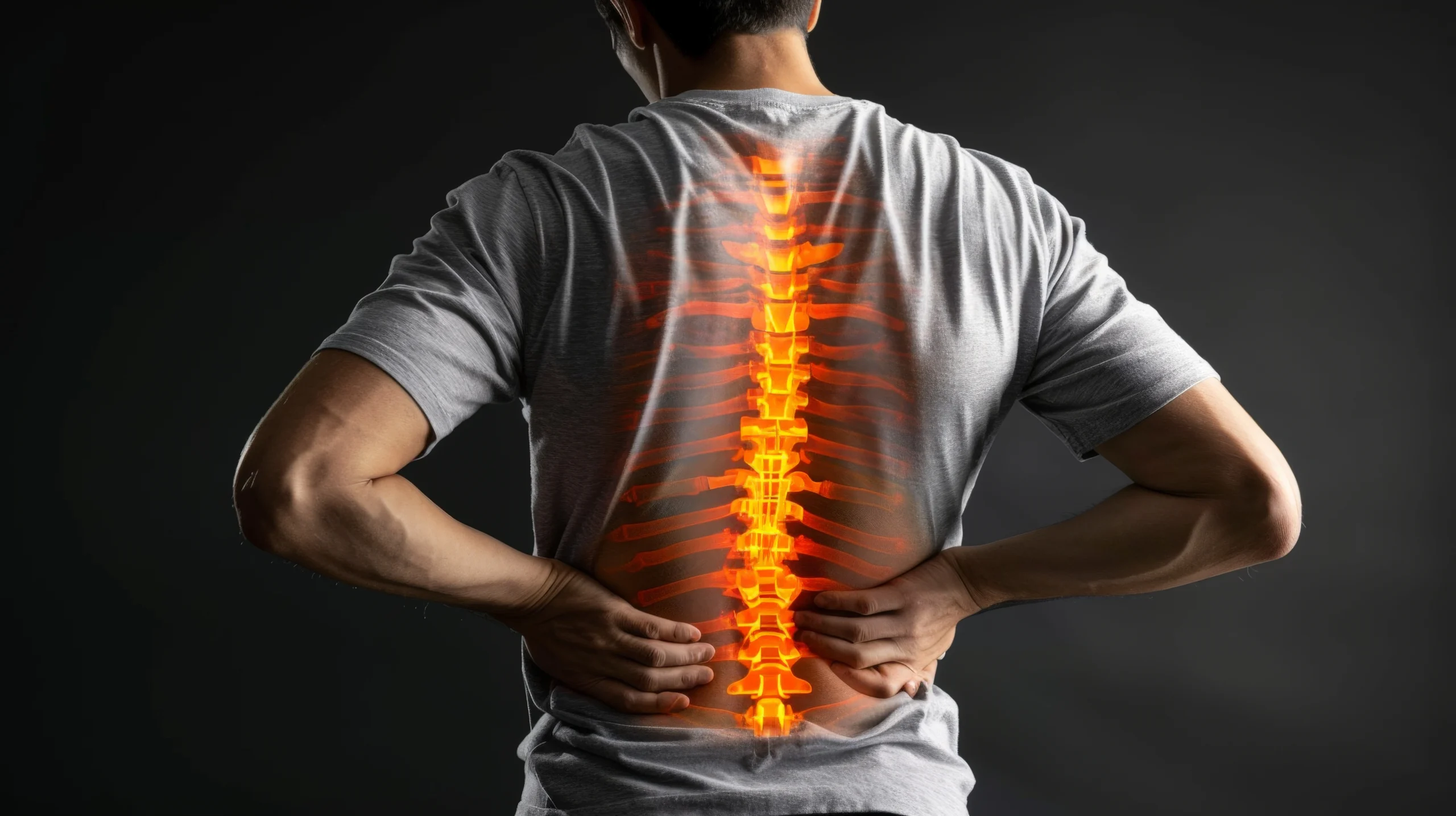

One moment you’re reaching for a bag of groceries. Next, a sharp, electric shock fires through your lower back. Or maybe you’ve spent years hunched over a laptop, and now your neck aches and your fingers tingle. Either way, you’re not just “sore.” You may be dealing with a herniated disc, and you deserve answers, not guesswork.
This guide breaks down everything you need to know: what’s happening inside your spine, how to tell a disc injury apart from a simple strain, when cervical (neck) disc herniation is the real culprit, and when it’s time to stop waiting and see a back specialist.
What Just Happened? Understanding Sudden Lower Back Pain
Sudden onset of lower back pain is one of the most common reasons people visit an emergency room or urgent care clinic. But not all back pain is the same, and the difference matters enormously for how it’s treated, especially when seeking the right Back Pain Treatment New Jersey, where accurate diagnosis is key to effective relief and long-term recovery.
What Is a Herniated Disc?
Think of your spinal discs as jelly donuts. They sit between each vertebra, acting as shock absorbers that keep your spine flexible and cushioned.
A herniated disc occurs when the tough outer layer (the “dough”) tears and the soft inner core (the “jelly”) leaks out. That inner material is chemically irritating to surrounding tissue. When it presses on a nearby nerve root, you feel it fast and often far from your back.
Disc Herniation vs. Muscle Strain: How to Tell the Difference
This is where most people get confused. Both can cause sudden, sharp pain. But there are key differences:
- Muscle strain stays localized. The pain sits in the back itself and doesn’t travel.
- A herniated disc is a “traveller.” Pain, numbness, or weakness radiates down into the buttock, leg, or foot.
- Nerve symptoms are a red flag. Tingling, burning, or weakness below the knee points strongly to disc involvement.
Symptoms That Suggest a Herniated Disc
Watch for these specific warning signs:
- Sciatica: A searing pain that shoots from the buttock down the leg, sometimes reaching the foot.
- Localized numbness: A “pins and needles” sensation in a specific patch of skin on the thigh, calf, or foot.
- Muscle weakness: Difficulty lifting your toes off the ground or your knee feeling unstable when walking.
When to See a Back Specialist Near Me
Most herniated discs improve with rest, physical therapy, and anti-inflammatory care. However, some symptoms signal that professional evaluation cannot wait.

See a back specialist near me immediately if you experience the following:
- Progressive weakness. Stumbling more than usual or being unable to stand on your tiptoes suggests significant nerve compression.
- Severe, unrelenting pain. If pain prevents sleep or basic movement for more than 72 hours, it’s time for a professional evaluation.
- Bowel or bladder changes. Loss of control is a medical emergency. Go to the ER immediately; this may indicate cauda equina syndrome.
- Pain after a traumatic event. A fall, car accident, or sports injury that causes back pain should always be evaluated promptly.
Don’t “tough it out.” Nerve damage left untreated can become permanent. Early intervention leads to faster, more complete recovery.
Beyond the Lower Back: Cervical Disc Herniation in the Neck
When people hear “herniated disc,” they usually picture the lower back. But cervical disc herniation in the neck is increasingly common, especially among office workers, remote employees, and anyone who spends hours looking at a screen.
“Tech neck” is a real clinical phenomenon. Years of tilting your head forward to look at a laptop or phone create chronic pressure on the cervical discs. Over time, that pressure can cause a disc to herniate.
Why Neck Disc Herniation Feels Different
The spinal canal in the neck is narrower than in the lower back. This means even a small herniation can press on the nerves controlling your shoulders, arms, and hands or, in more serious cases, the spinal cord itself.
This condition is called cervical radiculopathy. It often masquerades as a rotator cuff injury, carpal tunnel syndrome, or repetitive strain, which is why it’s frequently misdiagnosed and undertreated.
Symptoms of Cervical Disc Herniation
The symptoms of a cervical disc herniation are distinct from lumbar (lower back) problems:
- Burning or tingling in the forearm, thumb, or index finger. The exact location depends on which disc is affected.
- Loss of fine motor skills. Difficulty buttoning a shirt, typing precisely, or writing clearly.
- Deep shoulder blade pain. A gnawing, persistent ache between the shoulder blades that doesn’t go away with stretching.
- Heavy or fatigued arms. A feeling that your arms are weighted down, even at rest.
- Electric shocks when moving the head. Sharp shooting sensations down the arm when you look up, down, or side to side.
When Cervical Herniation Becomes a Medical Emergency
Because the neck is so close to the spinal cord, certain symptoms require urgent evaluation not a scheduled appointment next week.
Seek immediate care if you notice:
• Changes in your gait (how you walk). Stumbling, shuffling, or loss of coordination can indicate spinal cord compression.
• Persistent headache at the base of the skull. Especially if accompanied by neck pain and arm symptoms.
• Loss of hand grip or coordination. Frequent dropping of objects or feeling clumsy is a sign of spinal cord involvement.
Back Specialist Treatment Options: What to Expect
The good news: the majority of herniated discs in both the neck and lower back respond well to conservative, non-surgical treatment. A qualified back specialist will typically begin with the least invasive approach and escalate only if needed.
Common treatment options include:
- Physical therapy. Targeted exercises to strengthen the muscles supporting your spine and reduce pressure on the affected disc.
- Anti-inflammatory medications. NSAIDs like ibuprofen reduce inflammation around the irritated nerve root.
- Epidural steroid injections. A corticosteroid injected near the affected nerve can dramatically reduce inflammation and pain for weeks or months.
- Chiropractic care or spinal manipulation. In select cases, gentle manipulation can relieve pressure on nerve roots.
- Surgery. Reserved for cases where conservative treatment fails or neurological symptoms are severe. A discectomy or spinal fusion may be recommended.
You Don’t Have to Live With This Pain
Sudden back pain or neck pain that radiates, tingles, or weakens your limbs is your body sending a clear signal. Ignoring it rarely makes things better and in many cases, it can make things significantly worse.
Whether you’re dealing with a lumbar disc pressing on your sciatic nerve or a cervical disc affecting your hand strength, the right specialist makes all the difference. At Advanced Neurosurgery Associates, patients receive expert evaluation, accurate diagnosis, and personalized treatment plans designed for long-term relief.
Most patients who seek timely care see dramatic improvement without surgery. The key is acting early before nerve damage becomes the next problem.
Ready to Get Expert Back Pain Treatment in New Jersey?
Our board-certified spine specialists are here to help. Whether your pain started today or has been building for months, we offer same-week appointments, advanced imaging, and personalized treatment plans built around your goals.
- Same-week consultations available
- Most major insurance plans are accepted
- Non-surgical options are prioritised first
- Experienced in both lumbar and cervical conditions
FAQs
How do I know if I have a herniated disc or just a pulled muscle?
A pulled muscle usually stays localized in the back and improves within a few days of rest. A herniated disc typically causes radiating pain, numbness, or weakness that travels down the leg or arm. If your symptoms are travelling or if they haven’t improved after 72 hours, it’s time to see a specialist.
Can a herniated disc heal on its own?
Yes, many herniated discs do improve without surgery. Over weeks to months, the body can reabsorb the leaked disc material. However, this process is not guaranteed, and untreated nerve compression can lead to permanent damage. Conservative treatment under medical supervision is the safest approach.
What is the difference between a lumbar and a cervical disc herniation?
Lumbar disc herniation affects the lower back and typically causes sciatic leg pain. Cervical disc herniation affects the neck and causes symptoms in the shoulders, arms, and hands. Both can cause significant nerve pain, but cervical herniations carry a higher risk of spinal cord involvement and may require faster intervention.
Is it safe to exercise with a herniated disc?
Yes, in many cases, but only under guidance. Certain exercises relieve pressure on the disc; others can make it significantly worse. A physical therapist trained in spinal conditions can design a safe program specific to your injury level and location.
Do I need an MRI to diagnose a herniated disc?
An MRI is the gold standard for diagnosing disc herniation, as it clearly shows soft tissue structures, including the disc and nearby nerves. However, a specialist can often make a strong clinical diagnosis based on your symptoms and physical exam alone. MRI is typically ordered to confirm the diagnosis, plan treatment, or rule out other causes.
When is back pain serious?
Back pain is considered serious if it lasts more than a few days, keeps getting worse, or starts spreading to your legs or arms. Symptoms like numbness, tingling, weakness, or difficulty walking are a warning sign. In rare cases, loss of bladder or bowel control requires immediate medical attention.
Can sleeping position cause back pain?
Yes, your sleeping position can directly impact your back health. Poor posture during sleep,, like lying on your stomach or using an unsupportive pillow, can strain your spine. Sleeping on your back or side with proper support can help reduce and prevent pain.
At what age is back pain normal?
Back pain can occur at any age, even in young adults, due to posture or lifestyle habits. It becomes more common after the age of 30 as discs and joints start to wear down. However, persistent or severe back pain is not normal at any age and should be evaluated.