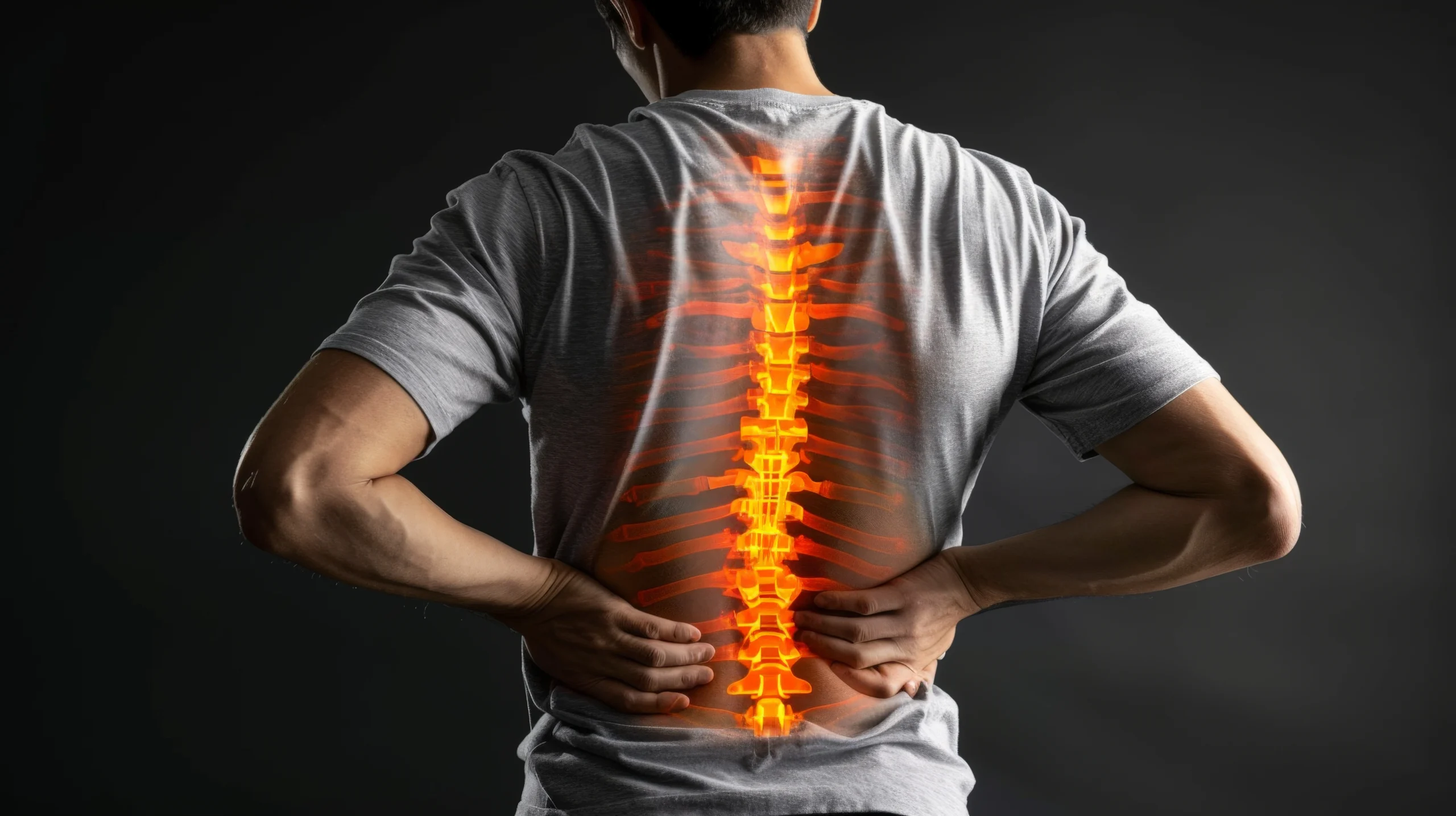
Back pain can start as a mild annoyance but sometimes develops into something much more serious. One of the most common causes of severe back and leg pain is a herniated disc, a condition that occurs when the soft inner portion of a spinal disc pushes through its outer layer.
Many patients first ask a simple question: What does a herniated disc feel like? The answer can vary depending on the location of the disc and the nerves involved. Some people experience mild discomfort, while others feel sharp, radiating pain that interferes with daily life.
Understanding the symptoms, treatment options, and recovery timeline can help you determine when to seek medical care and whether you might need herniated disc surgery, which NJ specialists often recommend for severe cases. At Advanced Neurosurgery Associates, the team of experienced neurosurgeons evaluates spinal conditions using advanced imaging and patient-focused care to determine the best treatment plan for each individual.
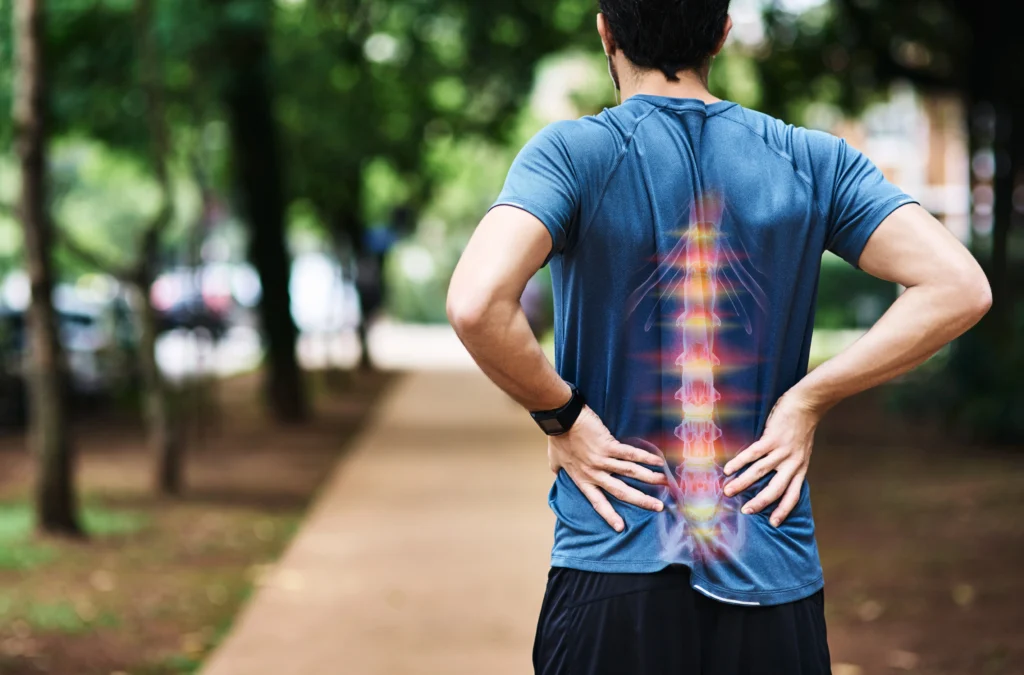
Understanding the Role of Spinal Discs
To understand the symptoms of a herniated disc, it’s important to first understand the role spinal discs play in the body.
Your spine is made up of vertebrae, the small bones stacked on top of each other that form the spinal column. Between each vertebra is a spinal disc, which acts as a cushion or shock absorber.
Each spinal disc has two parts:
- Annulus fibrosus: The tough outer ring that provides structure.
- Nucleus pulposus: The soft, gel-like center that absorbs pressure.
These discs allow the spine to bend, twist, and move while protecting the vertebrae from friction.
When the outer layer weakens or tears, the inner gel may push outward. This is called a herniated disc, sometimes referred to as a slipped disc or ruptured disc.
If the disc presses on nearby spinal nerves, it can cause pain, numbness, tingling, or weakness in different parts of the body.
What Does a Herniated Disc Feel Like?
The symptoms of a herniated disc can vary widely depending on which nerve is affected and how severe the herniation is. Some people feel only mild discomfort, while others experience intense pain that travels down the arms or legs.
Common sensations patients report include:
Sharp or Burning Pain
Many people describe the pain as sharp, stabbing, or burning. The discomfort may start in the lower back or neck and radiate outward.
For example:
- A lumbar disc herniation can cause pain in the buttocks, thigh, and leg.
- A cervical disc herniation may create pain that travels into the shoulder or arm.
Numbness and Tingling
A compressed nerve may cause pins-and-needles sensations in the affected area. This feeling often spreads along the nerve pathway.
Muscle Weakness
Some patients notice weakness in the arms or legs. You might find it harder to lift objects, walk long distances, or maintain balance.
Pain That Worsens with Movement
Certain activities can intensify symptoms, including:
- Sitting for long periods
- Bending forward
- Coughing or sneezing
- Lifting heavy objects
These movements increase pressure on the spinal discs.
Radiating Leg Pain (Sciatica)
When a herniated disc presses on the sciatic nerve, it can cause sciatica pain that travels from the lower back through the leg.
This is one of the most recognizable symptoms of a lumbar disc herniation.
Can You Walk With a Herniated Disc?
One question many patients ask after receiving a diagnosis is, “Can you walk with a herniated disc?”
In most cases, the answer is yes. Walking is generally considered one of the safest activities for people with spinal disc injuries.
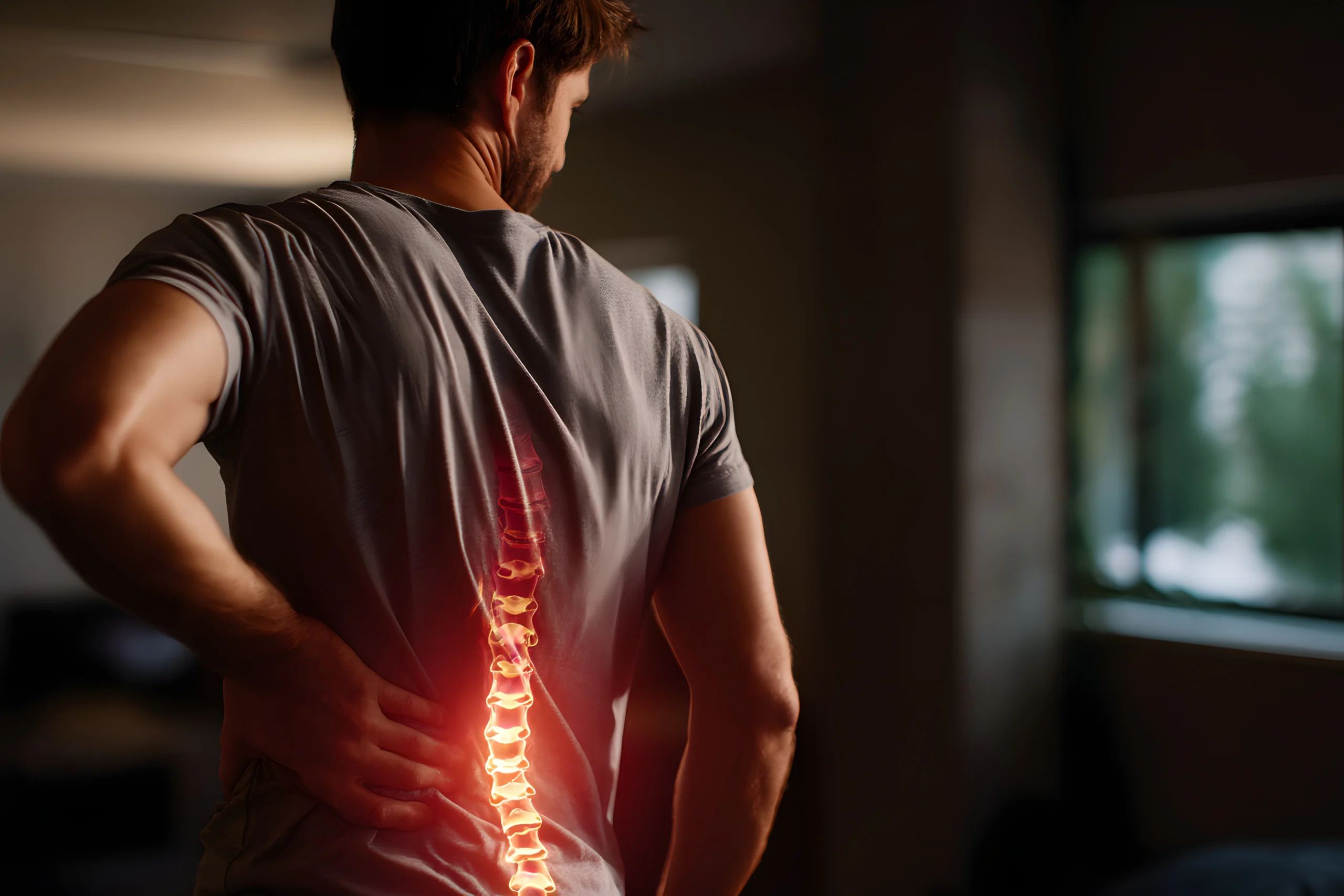
Gentle walking can:
- Improve circulation
- Reduce inflammation
- Prevent stiffness
- Strengthen muscles supporting the spine
However, if walking causes severe pain or weakness, it may indicate significant nerve compression. In such cases, evaluation by a spine specialist is important.
At Advanced Neurosurgery Associates, the neurosurgical team carefully evaluates how symptoms affect mobility before recommending treatment.
Common Causes of Herniated Discs
Several factors can increase the risk of developing a herniated disc.
Age-Related Degeneration
As people age, spinal discs naturally lose hydration and elasticity. This process, known as degenerative disc disease, makes discs more vulnerable to tearing.
Improper Lifting
Lifting heavy objects incorrectly places strain on the spine. Twisting while lifting is particularly risky.
Repetitive Motion
Jobs that require frequent bending, lifting, or twisting can gradually damage spinal discs.
Sudden Trauma
Car accidents, falls, or sports injuries can cause discs to rupture suddenly.
Sedentary Lifestyle
Weak core muscles provide less support for the spine, increasing the likelihood of injury.
Can a Herniated Disc Heal on Its Own?
Many people worry that a herniated disc automatically requires surgery. Fortunately, this is not always the case.
A common question patients ask is, “Can a herniated disc heal naturally?”
In many cases, the body can gradually reabsorb the protruding disc material, relieving pressure on the nerve.
Studies show that most herniated discs improve within several weeks to a few months with conservative care.
However, healing time varies depending on the following:
- The severity of the herniation
- Age and overall health
- Physical activity level
- Treatment methods used
If symptoms continue after conservative treatment, a spine specialist may recommend surgery to relieve nerve pressure and improve movement.
How to Heal a Herniated Disc Quickly
Although there is no instant cure, certain strategies can help speed recovery.
Physical Therapy
Physical therapy is one of the most effective treatments for spinal disc injuries.
Therapists teach exercises that:
- Strengthen the core muscles
- Improve posture
- Increase flexibility
- Reduce pressure on the spine
Anti-Inflammatory Medication
Doctors often recommend medications to reduce inflammation and relieve pain.
These medications help patients remain active while healing.
Heat and Ice Therapy
Applying ice during the early stages can reduce swelling, while heat can relax tense muscles.
Alternating between heat and cold therapy is often recommended.
Lifestyle Adjustments
Simple lifestyle changes can significantly improve recovery, including:
- Improving posture
- Avoiding heavy lifting
- Maintaining a healthy weight
- Staying physically active
Epidural Steroid Injections
In cases of severe nerve inflammation, doctors may recommend injections that deliver medication directly to the affected area.
At Advanced Neurosurgery Associates, physicians carefully evaluate each patient to determine the most effective non-surgical treatment plan.
Herniated Disc Treatment Options
Treatment depends on symptom severity and how the condition affects daily life.
Conservative Treatments
Most patients respond well to non-surgical treatment options such as the following:
- Physical therapy
- Pain medications
- Activity modification
- Steroid injections
- Chiropractic care
Doctors usually recommend conservative care for several weeks before considering surgical options.
Surgical Treatment
If symptoms persist or neurological deficits worsen, surgery may be recommended.
Common procedures include:
Microdiscectomy
This minimally invasive procedure removes the portion of the disc pressing on the nerve.
One of the most popular surgeries for lumbar disc herniation is microdiscectomy.
Endoscopic Spine Surgery
Using small instruments and a tiny camera, surgeons remove herniated disc material through a small incision.
Spinal Decompression Surgery
This procedure relieves pressure on compressed nerves and restores spinal function.
Many patients seeking herniated disc surgery in NJ choose specialized neurosurgical practices that use advanced technology to improve outcomes.
At Advanced Neurosurgery Associates, minimally invasive procedures are the school of thought among the surgeons to shorten recovery time and ensure that the patients are comfortable.
Questions to Ask Your Spine Surgeon
When discussing treatment options, patients should feel comfortable asking detailed questions.
Consider asking:
- What type of disc herniation do I have?
- What are the available herniated disc treatment options?
- Can my condition heal without surgery?
- How successful is the recommended procedure?
- What are the potential risks and benefits?
- How long will recovery take?
- When can I return to normal activities?
At ANA, second opinions are welcomed. The team believes that well-informed patients make better healthcare decisions.
Why Choose Advanced Neurosurgery Associates (ANA)?
Navigating spinal health can be a frightening journey. At Advanced Neurosurgery Associates, we combine the personalized care of a local New Jersey practice with the advanced technology and training found at top national medical centers.
Compassionate Care
We understand that behind every MRI scan is a person—or a child—who is scared and in pain. Our team, including surgeons like Dr. Arno Fried and Dr. Meleine Martínez-Sosa, Purvee Panchmatia, MD is dedicated to a “patient-first” model.
As one of our patients’ mothers shared, “The team took the time to explain everything with incredible patience… our son is now thriving.” This level of compassion is a deliberate part of how ANA operates.
A Healing Environment
Our offices across New Jersey are designed to be welcoming and stress-free. From our physician assistants to our neurosurgical nurses, every member of our multidisciplinary team works to make a scary experience feel a little less daunting.
State-of-the-Art Technology
We utilize:
- Real-time intraoperative imaging for maximum precision during surgery.
- Minimally invasive techniques to minimize pain and speed up recovery.
- Evidence-based protocols informed by the latest clinical research in spinal health.
Locations in New Jersey: Find an ANA Surgeon Near You
Access to expert care shouldn’t be a hurdle. Advanced Neurosurgery Associates has four convenient locations across New Jersey, ensuring that whether you are in Hudson, Middlesex, or Morris County, world-class care is nearby.
- Rutherford, NJ (Main Office): 201 NJ-17, Suite 501, Rutherford, NJ 07070 | (201) 457-0044
- Morristown, NJ: 95 Madison Ave, Suite 304, Morristown, NJ 07962 | (973) 984-5000
- New Brunswick, NJ: 303 George St, Suite 420, New Brunswick, NJ 08901 | (732) 342-9000
- Jersey City, NJ: 377 Jersey Ave, Suite 440, Jersey City, NJ 07302 | (201) 413-9100
Frequently Asked Questions
What is the fastest way to treat a herniated disc?
The fastest way to treat a herniated disc usually involves early diagnosis, gentle movement, and physical therapy. Doctors often recommend walking, stretching, and anti-inflammatory treatments to reduce swelling around the nerve. Avoiding heavy lifting and activities that strain the back can also help prevent the condition from getting worse.
Can a herniated disc heal on its own if it’s severe?
Yes, even severe herniated discs can sometimes heal naturally. The body may slowly absorb the damaged disc material over time. However, the seriousness of the condition depends more on symptoms than the size of the disc. If you experience severe weakness, foot drop, or loss of bladder or bowel control, you should seek immediate medical care because this can be a medical emergency.
Why should I choose ANA for herniated disc surgery in NJ?
Advanced Neurosurgery Associates (ANA) provides specialized spine care using modern techniques. The team also has fellowship-trained neurosurgeons who carry out minimally invasive spine surgery and robotic-assisted surgery. Such sophisticated procedures usually result in reduced cuts, pain, hospitalization, and recovery time among patients requiring herniated disc surgery in NJ.
When is herniated-disc surgery necessary?
Surgery may be recommended when pain, numbness, or muscle weakness continues despite several weeks of conservative treatment such as physical therapy, medication, or injections. Surgery is also considered if nerve compression begins to affect mobility or daily activities.
How often will I need follow-up care?
Follow-up care depends on the treatment you receive. Patients using conservative treatments may visit a physical therapist regularly to monitor progress. After surgery, your doctor will schedule follow-up appointments to check healing, monitor nerve recovery, and help you safely return to normal activities.
Is a herniated disc lifelong?
Not usually. A herniated disc can be treated successfully with the help of lifestyle changes and treatment. Symptoms often improve within weeks or months. Maintaining good posture, staying active, and strengthening your core muscles can help prevent future disc problems.
Can a herniated disc heal without surgery?
Yes. Most herniated discs improve without surgery. Physical therapy, medication, mild exercise, and lifestyle modification are some of the treatments that will help to decrease inflammation and relieve pressure on the nerve. Surgery is usually only considered when the symptoms fail to improve.
What is the best painkiller for a herniated disc?
Doctors often recommend anti-inflammatory medications such as ibuprofen or naproxen to reduce swelling and pain. In some cases, muscle relaxants or prescription medications may be used. However, it is important to speak with a doctor before taking any medication to ensure it is safe for you.
Conclusion
When you are told that you have a herniated disc, it may seem like a death sentence since it is something that you cannot get rid of, but it is not. By having the right people and know-how on how to handle a herniated disc, you will be able to get back to what you love to do.
At Advanced Neurosurgery Associates, our board-certified neurosurgeons have made their careers based on developing a clear direction forward towards answers, towards treatment, and towards a full life.
Would you have me assist you in making an appointment for a consultation or give you further details on our minimally invasive approach to surgery?