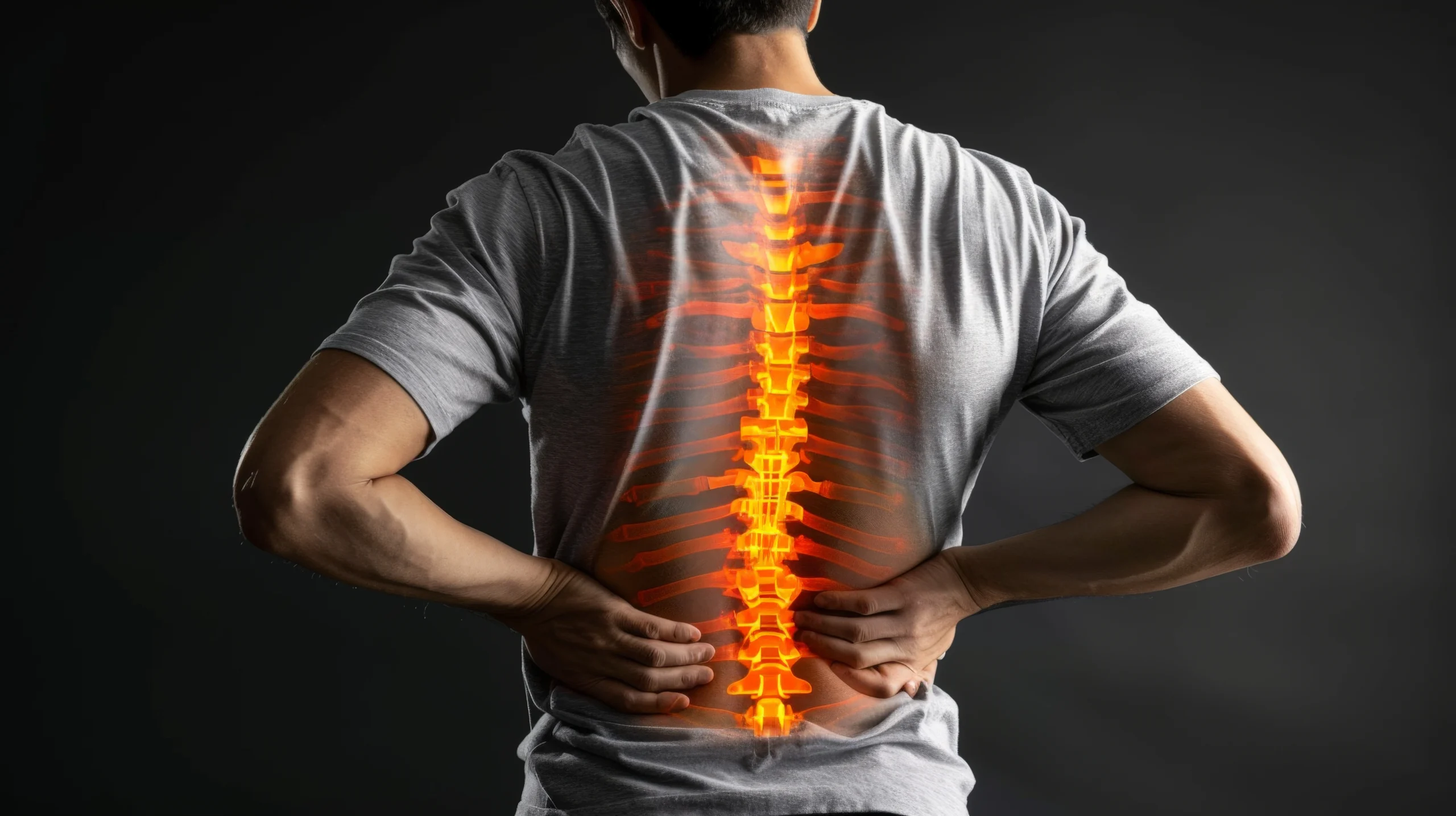
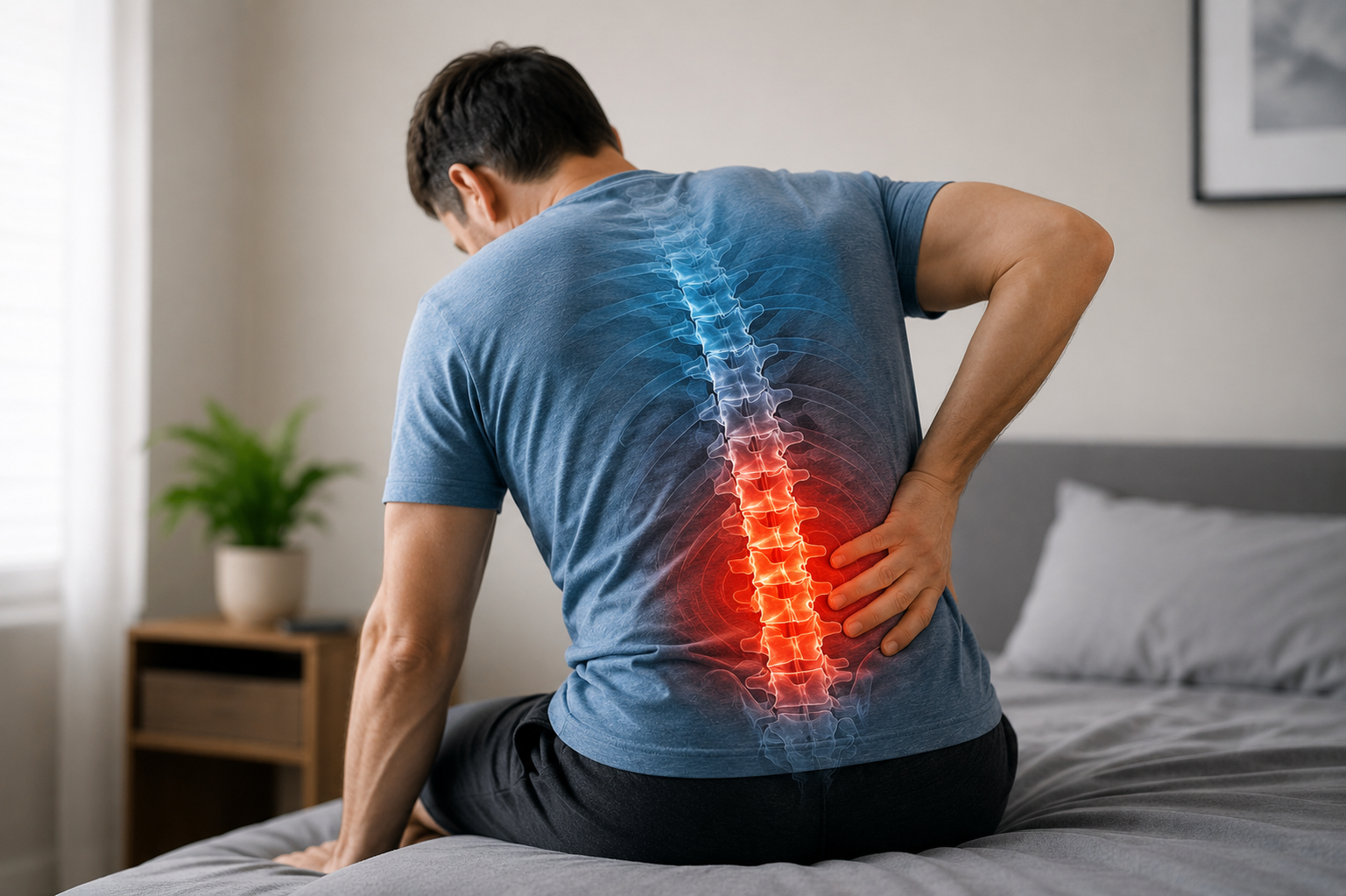
The terminology used to discuss back pain can be extremely complex, and few terms are as misunderstood as the phrase “slipped disc.” Many patients think of a spinal disc as a loose object that literally slides out of place. That’s not how the spine really works. Discs are firmly secured between the vertebrae by strong ligaments and connective tissues. They do not “slip” out. What actually occurs is a disc herniation, disc bulge, or disc extrusion.
Understanding the science behind spinal disc injuries can help patients make informed decisions about their health and avoid misconceptions surrounding treatment. Whether you are researching herniated disc treatment, exploring options for cervical disc herniation New Jersey, or considering herniated disc surgery NJ, understanding the true mechanics of spinal injuries is the first step toward effective care.
Why the Term “Slipped Disc” Is Incorrect
The phrase “slipped disc” became popular decades ago because it sounded simple and easy to understand. However, medically speaking, spinal discs are extremely stable structures.
Each spinal disc sits securely between the vertebrae and acts as a shock absorber for the spine.
These discs are composed of two primary components:
Annulus Fibrosus: The tough outer ring made of fibrous tissue
Nucleus Pulposus: The soft, gel-like center
A true disc herniation occurs when the outer ring develops a tear or weakness, allowing the inner material to push outward or leak through the damaged area.
This process is not a “slip.” It is a structural injury.
Understanding Disc Herniation: A Structural Failure
A better way to think about a herniated disc is to compare it to a pressurized system under stress.
Imagine a jelly-filled donut. If pressure causes a crack in the outer layer, the filling begins pushing outward. Similarly, when the annulus fibrosus weakens or tears, the nucleus pulposus can protrude beyond its normal boundary.
This condition may appear in several forms:
Disc Bulge
The disc extends outward, but the outer wall remains intact.
Disc Herniation
The outer ring tears, allowing inner material to protrude.
Disc Extrusion
The inner material escapes further through the tear.
Disc Sequestration
A fragment of disc material completely separates from the main disc.
These distinctions matter because they affect symptoms, severity, and treatment recommendations.
Why “Popping It Back In” Is a Myth
One of the biggest misconceptions surrounding a “slipped disc” is the belief that it can simply be pushed back into place through forceful manipulation.
In reality, modern herniated disc treatment focuses primarily on:
- Reducing inflammation
- Relieving nerve compression
- Restoring mobility
- Supporting the body’s natural healing response
The body often attempts to heal the injury naturally through a process called resorption. During resorption, the immune system gradually breaks down and absorbs leaked disc material over time.
This explains why many patients improve without surgery.
The Science of Nerve Compression
Pain from a herniated disc usually occurs because the damaged disc irritates or compresses nearby spinal nerves. The location of the herniation determines which symptoms develop. This is known as the “symptom map” of the spine. Understanding these symptom patterns can help physicians diagnose the exact spinal level involved.
Understanding the Symptom Map
- L4-L5 Disc Herniation
- The L4-L5 level is one of the most commonly injured areas in the lower back.
- A herniation at this level may cause
- Pain radiating down the leg
- Weakness when lifting the foot
- Difficulty walking
- Weakness in the big toe
- Numbness along the shin or foot
- Many patients with L4-L5 problems notice difficulty standing on their heels due to weakness in foot elevation.
L5-S1 Disc Herniation
The L5-S1 level sits at the base of the spine and absorbs significant mechanical stress.
Symptoms may include:
- Pain radiating into the calf or foot
- Tingling sensations
- Weakness when pushing off while walking
- Loss of the ankle jerk reflex
- Difficulty standing on tiptoes
- This level is commonly associated with sciatic nerve pain.
Cervical Disc Herniation: Neck Discs Matter Too
Disc herniations are not limited to the lower back. The cervical spine (neck region) can also develop herniated discs that compress nerves or even the spinal cord itself.
Patients searching for cervical disc herniation New Jersey often experiences symptoms such as
- Neck pain
- Arm pain
- Tingling in the fingers
- Muscle weakness
- Shoulder discomfort
- Headaches
- Reduced grip strength
- Cervical disc injuries can develop from:
- Degenerative disc disease
- Poor posture
- Trauma
- Repetitive strain
- Sports injuries
Early diagnosis is important because untreated cervical nerve compression may worsen over time.
Common Causes of Herniated Discs
- Disc injuries can be either acute or chronic.
- Older Age and Degeneration
- As you age, the discs hydrate and become less flexible, and this can lead to tearing.
Heavy Lifting
Bad lifting techniques place excessive pressure on spinal discs.
Repetitive Actions
Repeated bending, twisting, or vibration can weaken disc structures.
Lack of regular activity
Weak core muscles put more stress on the spine.
Overweight and Obesity
Extra weight also places greater demands on the spinal column’s structures.
Trauma
Car accidents, sports injuries, or falls can cause acute herniations.
Being aware of the risk factors helps patients protect their spines and minimize the risk of future injury.
Non-Surgical Herniated Disc Treatment
Most patients improve without surgery. Conservative care is usually the first step in managing spinal disc injuries.
Common herniated disc treatment options include:
- Physical Therapy
- Targeted exercises strengthen supporting muscles and improve spinal stability.
- Anti-Inflammatory Medications
- Reducing inflammation often decreases nerve irritation.
- Epidural Steroid Injections
- These injections can provide temporary relief for severe nerve inflammation.
- Activity Modification
- Avoiding aggravating activities allows healing to progress.
- Posture Correction
- Improving body mechanics reduces spinal stress.
- Heat and Ice Therapy
- These methods may help reduce pain and muscle tension.
- Many patients experience meaningful improvement within several weeks to months.
When Herniated Disc Surgery May Be Necessary
Although conservative care works for many individuals, some conditions require surgical intervention.
Patients considering herniated disc surgery NJ may need surgery if they experience:
- Progressive muscle weakness
- Severe nerve compression
- Loss of bowel or bladder control
- Persistent disabling pain
- Failure of conservative treatment
- Modern spine surgery techniques are often minimally invasive and designed to reduce tissue damage while improving recovery times.
Common procedures include:
- Microdiscectomy
- Laminectomy
- Cervical discectomy
- Spinal decompression surgery
A spine specialist can determine whether surgery is appropriate based on imaging studies, neurological findings, and symptom severity.
Red Flags: When to See a Doctor Immediately
Knowledge is important, but there are constraints to self-diagnosis. Some spinal symptoms require urgent medical evaluation.
Non-Mechanical Pain
Mechanical pain changes with movement. If even when you are lying completely still the pain is still severe, it might indicate that something more serious is going on.
Pain at Night
If you are getting up repeatedly from deep sleep due to pain, this is a serious medical red flag and should never be ignored.
Osteoporosis and Cancer History
Osteoporosis patients are at higher risk of fracture, and a history of cancer indicates the possibility of spinal metastasis. Any new back pain in these patients must be urgently assessed.
Bladder or bowel control loss
This could indicate cauda equina syndrome, a medical emergency that demands immediate treatment.
Steady Weakness
If numbness or muscle weakness grows, it could be a sign that nerve damage is progressing.
Early medical care can prevent complications and improve outcomes.
The Importance of Correct Diagnosis
MRI scans and various other imaging studies help doctors evaluate:
- The specific site of the herniation
- The degree of nerve compression
- Spinal stenosis
- The progression of disc degeneration
- An accurate diagnosis facilitates effective treatment planning for both lumbar and cervical disc herniation patients in New Jersey.
Can Herniated Discs Heal Naturally?
Yes, many herniated discs will improve naturally because of the body’s natural healing mechanisms.
The body can:
- Decrease inflammation
- Shrink bursting disc material
- Neighboring tissues change
- Enhance nerve tolerance
- Many specialists prefer conservative care before recommending surgery.
However, healing timelines vary depending on:
- Age
- Severity of injury
- Overall health
- Activity level
- Smoking status
Preventing Future Disc Problems
You can’t avoid every disc injury, yet good habits do a lot to reduce stress on the spine.
Prevention Tips:
- Stand upward straight
- Exercise frequently
- Develop your core muscles
- Don’t smoke
- “Right lift”
- Maintain your weight under control
- Always stretch.
- Future choices are extremely significant for spinal health.
Schedule Your Spine Evaluation Today
Don’t let persistent neck or back pain control your life. Whether you are exploring non-surgical herniated disc treatment, seeking expert care for cervical disc herniation New Jersey, or considering advanced options for herniated disc surgery NJ, early treatment can help prevent long-term complications and improve your quality of life.
- Speak With a Spine Specialist Today
- Get an Accurate Diagnosis and Personalized Treatment Plan
- Find Relief From Chronic Back, Neck, and Nerve Pain
Contact Us Now to Schedule Your Consultation
Take the first step toward lasting spinal health with expert, patient-focused care designed to restore mobility, reduce pain, and help you return to everyday activities with confidence.
Conclusion
The term “slipped disc” is a commonly used term, but it does not accurately convey the real science behind spinal disc injuries. Discs don’t just get out of place; they herniate, bulge, or rupture from structural damage in the disc itself.
Understanding the mechanics of disc herniation enables more informed treatment and recovery decisions for patients. If you are trying to find information on herniated disc treatment or looking for care for cervical disc herniation in New Jersey or herniated disc surgery NJ , it is vital to have the just medical knowledge to get better results.
Today’s spinal care isn’t about “popping discs back in.” It’s about reducing inflammation, protecting nerves, and supporting the body’s natural healing process. Early diagnosis and appropriate therapy can significantly enhance the quality of life and help patients safely return to normal activities.
FAQ
What is the difference between a slipped disc and a herniated disc?
A “slipped disc” is a non-medical term. The correct medical term is a herniated disc, which occurs when the inner disc material pushes through a tear in the outer layer.
Can a herniated disc heal without surgery?
Yes. Many cases improve with conservative herniated disc treatment such as physical therapy, medications, and activity modification.
What are the symptoms of cervical disc herniation?
Common symptoms include neck pain, arm pain, tingling, numbness, headaches, and muscle weakness.
When is surgery required for a herniated disc?
Herniated disc surgery NJ may be required when the patient has severe nerve compression, increasing weakness, or unrelenting pain that does not respond to non-surgical treatment.
Is walking good for a herniated disk?
In many cases, gentle walking will improve circulation and reduce stiffness. But activity recommendations are based on how severe the condition is.
How do they know you have a herniated disc?
Disc herniations are usually diagnosed by doctors through a physical exam, neurological testing, and MRI imaging.
Can bad posture cause disc problems?
Yes. Poor posture puts more pressure on spinal discs and may lead to degeneration over time.
How long does a herniated disc take to heal?
Recovery times vary, but many patients improve within several weeks to a few months, depending on the severity of the injury and the treatment approach.