
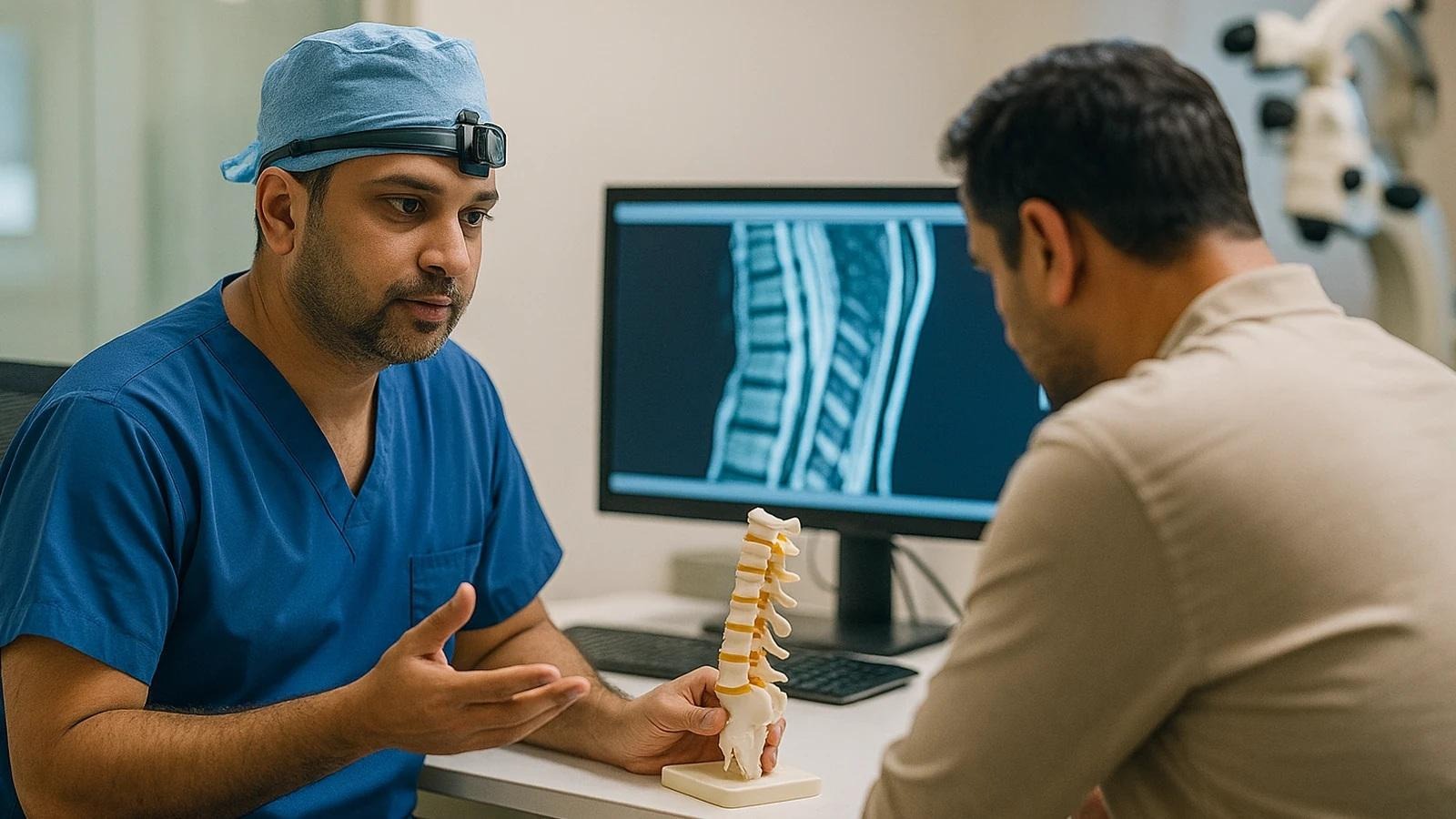
If you are dealing with persistent back or neck pain, you may have heard about minimally invasive spine surgery (MISS) as an alternative to traditional open spine procedures. But what exactly does minimally invasive spine surgery involve, and when might it be recommended?
For patients searching for minimally invasive spine surgery NJ, understanding the procedure, potential benefits, recovery process, and available treatment options can make it easier to have an informed discussion with a qualified spine specialist.
At Advanced Neurosurgery Associates, NJ, our neurosurgical team evaluates each patient’s symptoms, imaging, medical history, and overall condition before recommending a treatment approach. Surgery is not appropriate for everyone, and when it is considered, the goal is to choose the least invasive option that can effectively address the underlying spinal problem.
What Is Minimally Invasive Spine Surgery?
Minimally invasive spine surgery uses specialized instruments, imaging technology, and smaller incisions to access and treat certain spinal conditions while minimizing disruption to surrounding muscles and tissues.
Traditional open spine surgery may require a larger incision and greater movement or separation of the muscles surrounding the spine. In minimally invasive techniques, a surgeon may use a small incision and specialized tubular instruments to reach the affected area.
Depending on the condition, minimally invasive techniques may be used for procedures involving the cervical, thoracic, or lumbar spine.
The specific surgical technique depends on factors such as
- The location of the spinal problem
- The type and severity of the condition
- Whether nerves or the spinal cord are compressed
- Previous spinal surgery
- Overall health and medical history
- Imaging findings
- The patient’s symptoms and treatment goals
A consultation with a qualified spine surgeon New Jersey patients can trust can help determine whether minimally invasive surgery is appropriate.
Why Is Minimally Invasive Spine Surgery Performed?
Spinal disorders can develop for many reasons, including degenerative changes, injuries, disc problems, and narrowing around the spinal nerves.
Some patients improve with nonsurgical treatment such as physical therapy, medication, activity modification, or injections. However, when symptoms persist despite appropriate conservative treatment, surgery may sometimes be considered.
Depending on the diagnosis, minimally invasive spine procedures may be used to address conditions such as:
- Herniated discs
- Spinal stenosis
- Degenerative disc disease
- Certain forms of spondylolisthesis
- Nerve compression
- Some spinal fractures
- Certain spinal instability conditions
Not every condition can be treated with a minimally invasive approach. Your surgeon must determine whether the technique is suitable based on your individual anatomy and diagnosis.
How Does Minimally Invasive Spine Surgery Work?
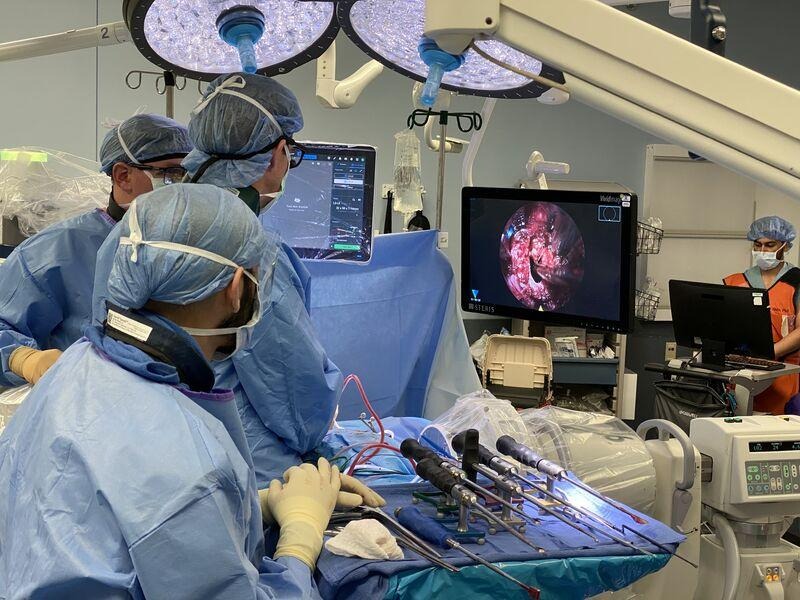
Although techniques vary, minimally invasive spine surgery generally involves several important steps.
1. Preoperative Evaluation
Before surgery, your physician reviews your symptoms, medical history, physical examination, and diagnostic imaging. MRI, CT scans, X-rays, or other tests may be used to understand the structure of your spine.
This evaluation helps the surgeon identify the source of symptoms and determine whether surgery is appropriate.
2. Small Incision
Instead of creating a large surgical opening, the surgeon typically makes one or more smaller incisions near the area being treated.
3. Specialized Surgical Instruments
Specialized instruments and tubular retractors can create a pathway to the spine while helping limit disruption to surrounding tissues.
4. Visualization and Imaging
Depending on the procedure, surgeons may use advanced visualization and intraoperative imaging technology to help identify the surgical area and guide instrumentation.
5. Treatment of the Spinal Problem
The specific treatment depends on the diagnosis. For example, surgery may involve removing material from a herniated disc that is pressing on a nerve, enlarging space around a compressed nerve, or stabilizing a portion of the spine.
What Are the Potential Benefits?
One reason minimally invasive techniques have become an important option in spine care is that they may reduce the amount of tissue disruption associated with certain procedures.
Potential advantages can include:
- Smaller incisions
- Less disruption of surrounding muscles
- Reduced blood loss in some procedures
- Less postoperative discomfort for some patients
- Shorter hospital stays for appropriate procedures
- Potentially faster return to normal activities
However, these benefits vary according to the specific surgery and individual patient. Minimally invasive surgery does not automatically mean a shorter recovery or better outcome for every patient.
Your surgeon should explain the potential benefits, risks, alternatives, and expected recovery before you make a treatment decision.
Minimally Invasive vs. Traditional Spine Surgery
The difference between minimally invasive and traditional spine surgery is primarily related to how the surgeon accesses the spine.
Traditional surgery may require a larger incision and greater exposure of the surgical area. Minimally invasive surgery generally uses smaller incisions and specialized instruments to access the spine.
However, minimally invasive does not mean risk-free.
Like other surgical procedures, spine surgery can involve risks such as infection, bleeding, nerve injury, blood clots, spinal fluid leakage, anesthesia-related complications, or the possibility that symptoms may persist or recur.
The appropriate surgical approach depends on the patient’s diagnosis, not simply on choosing the smallest incision.
Who May Be a Candidate?
A patient may be considered for minimally invasive spine surgery when:
- Symptoms are linked to a specific spinal condition.
- Imaging supports the diagnosis.
- Nonsurgical treatments have not provided sufficient relief.
- Surgery is medically appropriate.
- The condition can be effectively treated using a minimally invasive technique.
For example, a patient with a herniated disc causing persistent nerve compression may be evaluated for a minimally invasive procedure if conservative treatment has failed and the symptoms correspond with the imaging findings.
A cervical spine surgeon New Jersey patients may consult can similarly evaluate neck pain, cervical disc problems, spinal cord compression, or other conditions affecting the cervical spine.
What Is Recovery Like?
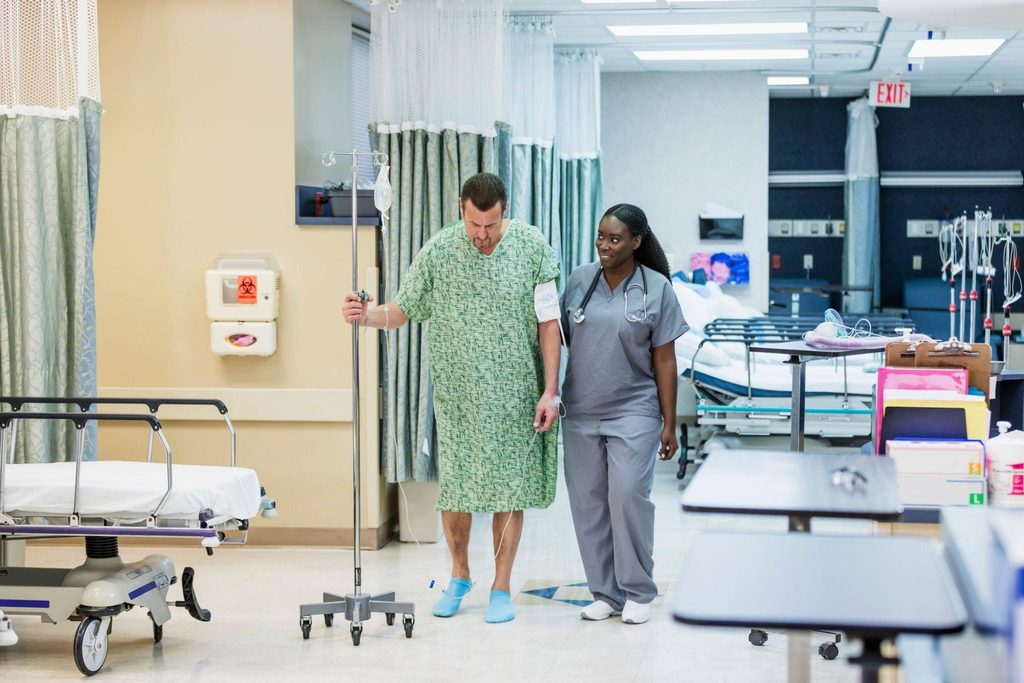
Recovery depends heavily on the type of procedure performed. Some minimally invasive procedures may allow patients to return home the same day, while more complex operations may require a hospital stay.
After surgery, your care team may provide instructions regarding:
- Walking and physical activity
- Wound care
- Medication
- Physical therapy
- Lifting restrictions
- Returning to work
- Follow-up appointments
Even when the incision is small, the body still needs time to heal. Patients should follow their surgeon’s postoperative instructions and avoid increasing activity too quickly.
Your expected recovery timeline should be discussed before surgery because it can vary considerably from one patient to another.
When Should You See a Spine Specialist?
Not every episode of back or neck pain requires a surgical consultation. Many spinal conditions improve with nonsurgical care.
However, you should consider discussing persistent symptoms with a qualified medical professional if you experience:
- Persistent or worsening back pain
- Neck pain that does not improve
- Pain traveling into the arm or leg
- Numbness or tingling
- Muscle weakness
- Difficulty walking or maintaining balance
- Symptoms that interfere with daily activities
Certain symptoms require prompt medical attention. New or worsening weakness, significant difficulty walking, or changes in bladder or bowel control can indicate a potentially serious neurological problem and should be evaluated urgently.
Choosing a Spine Surgeon in New Jersey
Choosing a surgeon is an important part of planning spine treatment. Patients researching the best spine surgeons in New Jersey should consider factors such as specialized training, experience with the relevant procedure, hospital affiliations, treatment philosophy, and whether nonsurgical alternatives are considered when appropriate.
For patients seeking specialized spine care, Kevin D. Wojcik, DO, Complex Spine Neurosurgeon, is part of Advanced Neurosurgery Associates, NJ. You can learn more about his professional background, expertise, and spine care services on his doctor profile.
A consultation gives you an opportunity to ask questions such as:
- What is causing my symptoms?
- Do I actually need surgery?
- Could nonsurgical treatment help?
- Am I a candidate for a minimally invasive procedure?
- What procedure would you recommend and why?
- What are the potential risks?
- How long could recovery take?
- What alternatives are available?
A second opinion may also be appropriate when you are considering major spine surgery.
Updated CTA
Book a Consultation with Advanced Neurosurgery Associates, NJ
If you are experiencing persistent back or neck symptoms and are considering minimally invasive spine surgery in NJ, schedule a consultation to discuss your diagnosis and treatment options with a spine specialist, including Kevin D. Wojcik, DO, Complex Spine Neurosurgeon.
Take the Next Step Toward Personalized Spine Care
Living with persistent neck or back pain can affect your mobility, work, sleep, and everyday activities. If conservative treatments have not provided adequate relief, minimally invasive spine surgery may be one of the treatment options worth discussing with a qualified specialist.
The most appropriate approach depends on your specific diagnosis and overall health. A thorough evaluation can help determine whether surgery is necessary and, if so, which technique may be appropriate.
If you are researching minimally invasive spine surgery NJ, contact Advanced Neurosurgery Associates, Rutherford , NJ to schedule a consultation and discuss your symptoms and treatment options with a neurosurgical specialist.
Book a Consultation Get a personalized evaluation to understand your diagnosis, treatment options, and whether minimally invasive spine surgery may be appropriate for you.
Frequently Asked Questions About Minimally Invasive Spine Surgery
Is minimally invasive spine surgery safer than traditional surgery?
Minimally invasive techniques may reduce tissue disruption for appropriately selected procedures, but they are not automatically safer for every patient. The risks depend on the specific operation and the patient’s condition.
Does minimally invasive spine surgery leave a scar?
Because the technique generally uses smaller incisions, the resulting scars may be smaller than those associated with some traditional open procedures. Individual healing and the specific operation affect the final appearance.
How long does minimally invasive spine surgery take?
Operating time varies depending on the procedure, spinal level, complexity, and individual anatomy. Your surgeon can provide a more specific estimate after evaluating your condition.
Can minimally invasive surgery treat neck problems?
Certain cervical spine conditions can be treated using minimally invasive or less-invasive surgical techniques. A cervical spine surgeon in New Jersey can determine whether such an approach is appropriate for your diagnosis.
Will I need physical therapy after surgery?
Some patients require physical therapy or a structured rehabilitation program, while others may receive different postoperative activity instructions. Your treatment team will recommend rehabilitation based on your procedure and recovery.