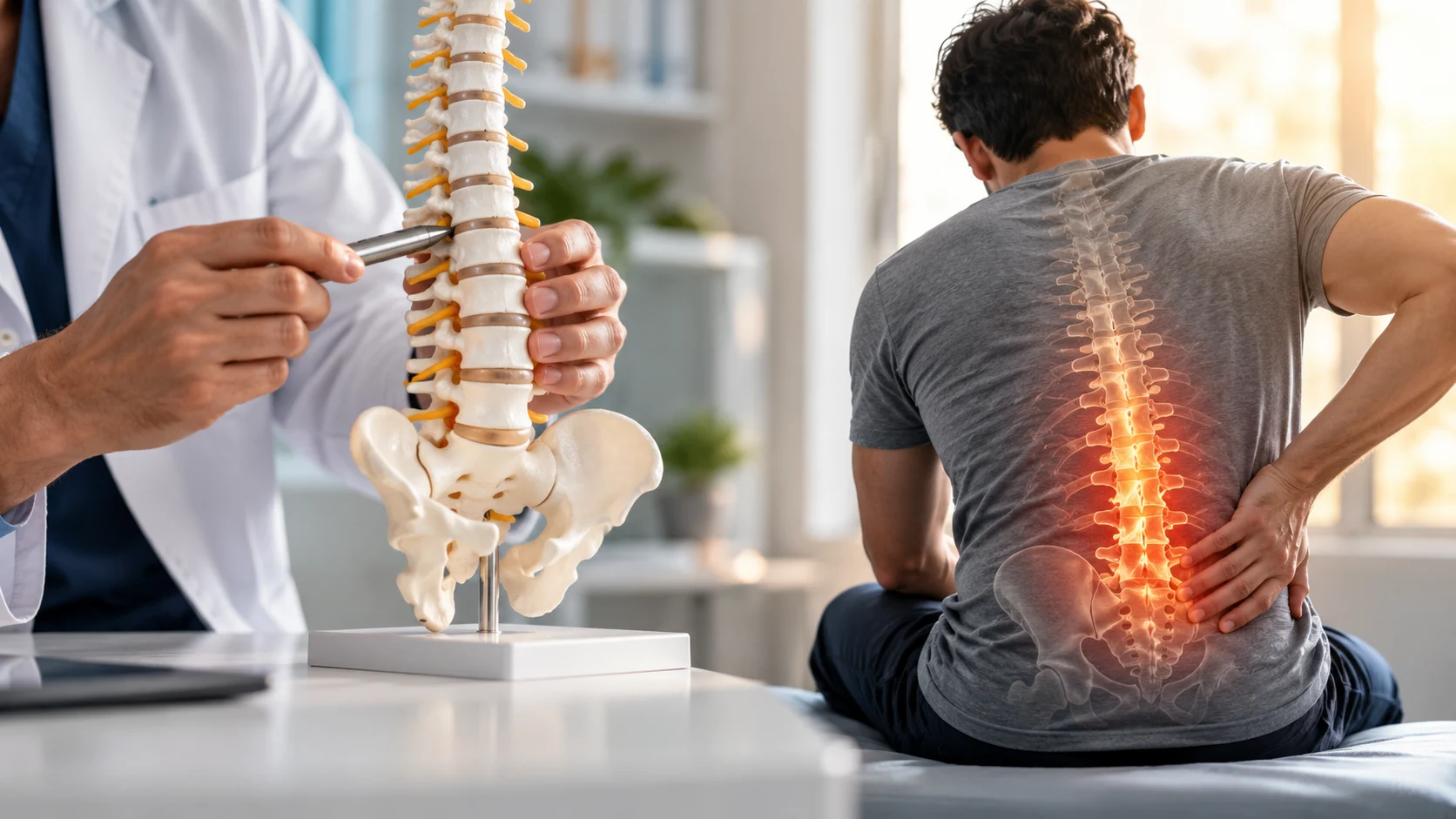
Spine surgery can help relieve nerve pressure, address spinal instability, and improve mobility when conservative treatments are no longer effective. However, one of the most common questions patients ask before treatment is, “How long does recovery take after spine surgery?”
The answer depends on the type of surgery, the spinal condition being treated, your overall health, and how your body responds to healing. Some patients resume light daily activities within a few weeks, while more complex procedures, such as spinal fusion, may require several months of recovery. Complete bone healing after spinal fusion can take 6–12 months or longer.
If you are researching a spine surgeon in New Jersey, understanding the recovery process can help you prepare for treatment, plan time away from work, and make informed decisions about your care.
This guide explains the typical spine surgery recovery time, factors that influence healing, recovery after spinal fusion, and questions to discuss with your spine specialist.
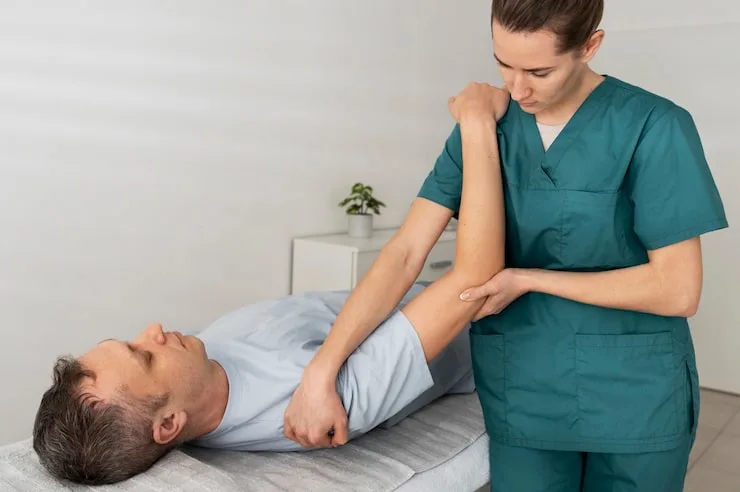
How Long Does Recovery Take After Spine Surgery?
Spine surgery recovery time typically ranges from several weeks to several months, depending on the procedure and individual circumstances. Less extensive procedures may allow an earlier return to daily activities, while spinal fusion and other complex operations generally require a longer recovery period.
Here is a general overview of common recovery timelines:
| Type of procedure | General recovery considerations |
| Microdiscectomy | Some patients resume light activities within a few weeks. |
| Laminectomy | Recovery often takes several weeks, depending on the extent of surgery. |
| Cervical spine surgery | Recovery varies according to the procedure and whether fusion is performed. |
| Lumbar spine surgery | Recovery depends on the condition, surgical approach, and extent of treatment. |
| Spinal fusion | Initial recovery may take weeks to months; bone fusion commonly takes 6–12 months or longer. |
These timelines are estimates rather than guarantees. Your surgeon will provide guidance based on your procedure, medical history, symptoms, and progress during follow-up appointments.
What Factors Affect Spine Surgery Recovery Time?
Several factors can influence how quickly you recover following spine surgery.
1. Type and Complexity of Surgery
The procedure is one of the most important factors affecting recovery. Surgery that removes pressure from a nerve may involve a different healing process from an operation that stabilizes the spine with screws, rods, or bone grafts.
For example, a microdiscectomy may allow a relatively quick return to selected activities. Spinal fusion, however, requires the bones to grow together, so internal healing continues long after the incision has healed.
2. Overall Health and Medical History
Age, physical fitness, nutritional status, smoking, diabetes, and other medical conditions may affect healing. Your surgeon may recommend addressing certain health risks before surgery to support recovery.
Smoking is particularly important because it can interfere with bone healing and increase the risk of complications following spinal fusion.
3. Severity of the Spinal Condition
Patients with localized nerve compression may have a different recovery experience from those with spinal instability, multiple affected levels, or longstanding nerve symptoms.
Nerves can also take time to recover after pressure has been relieved. Pain, tingling, numbness, or weakness may improve gradually, and some symptoms may persist despite technically successful surgery.
4. Rehabilitation and Activity
Following postoperative instructions and gradually increasing activity can support recovery. Walking is often encouraged early, while physical therapy may be introduced when appropriate.
Returning to strenuous exercise, heavy lifting, or physically demanding work too soon may interfere with healing. Your activity plan should be individualized to your procedure and recovery progress.
What Is the Recovery Time After Spinal Fusion Surgery?
Spinal fusion is a procedure that joins two or more vertebrae to provide stability and reduce movement between them. It may be recommended for selected cases of spinal instability, degenerative conditions, fractures, or other problems when clinically appropriate.
A spine fusion surgeon in New Jersey can evaluate whether spinal fusion may be appropriate for your condition and explain the expected recovery process.
First Two Weeks: Initial Healing
During the first two weeks, the main goals are managing discomfort, caring for the incision, and gradually increasing mobility.
Your care team may recommend short walks, prescribed medications, appropriate wound care, and restrictions on bending, lifting, and twisting. Follow the instructions provided by your surgical team, including guidance about bathing and keeping the incision dry.
Weeks Two to Six: Gradual Improvement
During this stage, some patients experience improved mobility and become more comfortable with everyday activities. However, the spine is still healing.
You may need to avoid heavy lifting and strenuous movements. Your return to work will depend on your recovery, the procedure performed, and the physical demands of your job.
Weeks Six to Twelve: Increasing Activity
Your surgeon will assess your symptoms, function, and healing progress before recommending additional activities. Physical therapy may help improve strength, flexibility, posture, and endurance when appropriate.
Remember that reduced pain does not necessarily mean the vertebrae have completely fused.
Three to Twelve Months: Continued Healing
Bone fusion continues over several months. Your surgeon may recommend follow-up imaging to assess healing when clinically indicated.
Many patients gradually increase their activity during this period, but the timing of a return to heavy lifting, strenuous exercise, and sports depends on the procedure and evidence of adequate healing.
Learn more about the procedure on our Spinal Fusion page.
When Should You Consult a Spine Surgeon in New Jersey?
Persistent back or neck pain does not always require surgery. Many spinal conditions can initially be managed with medication, physical therapy, activity modification, or other nonsurgical treatments.
However, a consultation may be appropriate if you experience persistent symptoms, pain radiating into your arms or legs, numbness, weakness, or difficulty performing everyday activities despite conservative treatment.
A spine surgeon in New Jersey can evaluate your symptoms, review imaging when needed, and discuss the benefits and risks of available treatments.
Depending on your condition, you may be referred to an orthopedic spine surgeon in New Jersey or a neurosurgeon in New Jersey. Both specialties can provide surgical treatment for selected spinal conditions, although their training and individual areas of expertise may differ.
When evaluating a specialist, consider relevant board certification, experience with your specific condition, treatment recommendations, communication, and the availability of appropriate postoperative care.
Rather than relying exclusively on searches for the best spine surgeon in New Jersey or top-rated spine surgeons in New Jersey, look for a qualified professional whose experience and approach align with your medical needs.
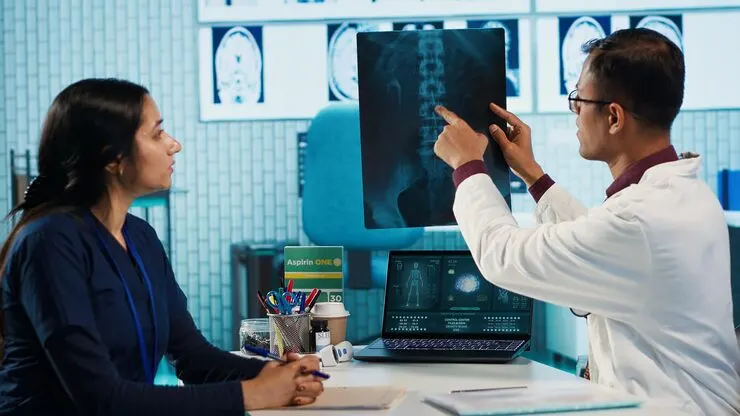
Cervical Spine Surgery vs. Lumbar Spine Surgery: What Is the Difference?
Recovery also depends on which part of the spine requires treatment.
Cervical Spine Surgery
The cervical spine consists of the vertebrae in the neck. Surgery may be recommended for certain conditions involving nerve compression, spinal cord compression, instability, or other structural problems.
A cervical spine surgeon in New Jersey may evaluate symptoms such as neck pain, arm pain, tingling, numbness, or weakness.
Recovery depends on whether the procedure involves decompression alone or includes fusion. Some patients require temporary activity restrictions or additional monitoring after surgery.
Lumbar Spine Surgery
The lumbar spine is the lower portion of the back and bears much of the body’s weight. Conditions affecting this region may cause lower back pain, sciatica, or symptoms extending into the legs.
A lumbar spine surgeon in New Jersey may evaluate conditions such as a herniated disc, spinal stenosis, or instability.
Recovery after lumbar surgery varies according to the procedure. Some patients return to light activities relatively quickly, while more extensive surgery may require several months of rehabilitation.
New or worsening weakness, loss of bladder or bowel control, or numbness around the groin requires urgent medical assessment.
Spine Surgery and Workers’ Compensation in New Jersey
Spinal injuries can sometimes occur in workplace accidents involving lifting, falls, repetitive movements, or other physical demands. When a work-related injury affects the neck or back, treatment may involve medical evaluation, rehabilitation, and, in selected cases, surgery.
Patients searching for a workers compensation spine surgeon in New Jersey or a workers’ comp spine surgeon in New Jersey should look for a qualified specialist who treats the relevant spinal condition and can explain the medical documentation required for the treatment process.
Depending on the case, documentation may include the diagnosis, imaging findings, recommended treatment, functional limitations, and anticipated recovery period.
Workers’ compensation requirements and authorization procedures can vary. Confirm coverage, referral requirements, and any necessary approvals with the relevant insurer, employer representative, or claims administrator.
A surgical recommendation should be based on clinical findings and the patient’s individual needs, not solely on the existence of a workplace injury or insurance claim.
Orthopedic Spine Surgeons vs. Neurosurgeons: Whom Should You See?
Patients researching New Jersey spine surgeons may encounter both orthopedic spine surgeons and neurosurgeons. Both can treat selected spinal conditions, including some problems involving discs, nerves, spinal stability, and the spinal cord.
An orthopedic spine surgeon in New Jersey generally completes orthopedic surgical training followed by specialized spine training. A neurosurgeon in New Jersey completes neurosurgical training and may specialize in disorders involving the brain, spinal cord, and nerves.
Patients searching for neurosurgeons of New Jersey or board-certified neurosurgeons in New Jersey should verify a specialist’s credentials and experience with their particular condition.
Neither specialty is automatically the best choice for every patient. The appropriate specialist depends on the diagnosis, the treatment required, the surgeon’s experience, and the patient’s overall health.
A consultation should explain whether surgery is necessary, what alternatives are available, what benefits can reasonably be expected, and what risks may apply.
How Can You Support Recovery After Spine Surgery?
Although recovery cannot be rushed, following your surgeon’s instructions can help support healing.
- Follow postoperative instructions: Take medications as directed and follow guidance about wound care and activity restrictions.
- Walk as recommended: Begin with manageable distances and increase activity gradually.
- Attend follow-up appointments: These visits allow your care team to assess symptoms and recovery progress.
- Maintain balanced nutrition: Adequate protein and a varied, nutrient-rich diet support general healing.
- Avoid smoking: Smoking can impair bone healing, particularly after spinal fusion.
- Follow rehabilitation guidance: Begin or progress physical therapy only as recommended by your care team.
Contact your healthcare professional if you experience worsening pain, persistent fever, increasing redness or drainage around the incision, or other concerning symptoms. Seek urgent medical care for new severe weakness, loss of bladder or bowel control, numbness around the groin, chest pain, or sudden shortness of breath.
Talk to a Spine Specialist About Your Treatment Options
Understanding spine surgery recovery time can help you prepare for treatment and set realistic expectations. The appropriate timeline depends on your diagnosis, the procedure performed, your overall health, and your progress during recovery.
If you are considering spinal fusion or another spine procedure, speak with a qualified specialist about your symptoms, treatment alternatives, expected recovery milestones, and potential risks.
Talk to a Specialist to discuss your spinal condition and determine which treatment options may be appropriate for your needs.
Explore our Spinal Fusion procedure page to learn more about the procedure and prepare questions for your consultation.
Frequently Asked Questions
1. How long does it take to recover from spine surgery?
Recovery may take several weeks after some procedures and several months after more complex operations. Following spinal fusion, bone healing commonly takes 6–12 months or longer. Your surgeon can provide an individualized estimate.
2. How long does spinal fusion take to heal?
Initial recovery may take weeks to months, but complete bone fusion often requires 6–12 months or longer. Healing depends on the procedure, overall health, smoking status, and other individual factors.
3. When can I return to work after spine surgery?
Some patients return to desk-based work within a few weeks, while physically demanding jobs may require a longer recovery. Your surgeon should assess your functional abilities and restrictions before you return.
4. Should I see an orthopedic spine surgeon or a neurosurgeon?
Both specialists can treat certain spinal conditions. Your choice should depend on your diagnosis, the procedure being considered, the surgeon’s qualifications, and their experience treating similar conditions.
5. How do I choose a spine surgeon in New Jersey?
Review the surgeon’s relevant credentials, experience, treatment approach, communication, and postoperative care arrangements. Ask about nonsurgical alternatives, potential complications, expected outcomes, and recovery milestones.
6. Can workers’ compensation cover spine surgery in New Jersey?
Coverage depends on the circumstances of the injury, applicable requirements, medical documentation, and authorization decisions. Confirm the process with the relevant workers’ compensation administrator.
7. When should I seek urgent medical attention after spine surgery?
New or rapidly worsening weakness, loss of bladder or bowel control, or numbness around the groin requires urgent medical assessment. Chest pain or sudden shortness of breath also requires emergency care.