If you’re living with chronic back pain, a herniated disc, or nerve symptoms that won’t go away, you’ve probably run into a confusing question: should you see a neurosurgeon or an orthopedic spine surgeon? Both specialists treat spine conditions, both can perform spine surgery, and both show up in search results when you look for the best spine surgeons in New Jersey. So how do you know which one is right for you?
The truth is, the two specialties overlap more than most patients expect, but there are real differences in training, focus, and the types of cases each surgeon typically manages. Understanding those differences can help you make a more confident, informed decision about your care, and it can save you time, worry, and unnecessary appointments.
This guide breaks down exactly what separates a neurosurgeon from an orthopedic spine surgeon, when each is the better fit, and how to choose the right specialist, including why so many patients across the region turn to board-certified neurosurgeons in New Jersey for a second opinion before committing to a treatment plan.
The Short Answer
Both neurosurgeons and orthopedic spine surgeons are qualified to diagnose and treat spine conditions and have completed years of specialized surgical training. The difference comes down to their broader medical background:
- Neurosurgeons are trained in the entire nervous system brain, spinal cord, and spinal nerves which gives them deep expertise in conditions where nerve compression, spinal cord involvement, or neurological symptoms are the primary concern.
- Orthopedic spine surgeons are trained in the musculoskeletal system as a whole bones, joints, muscles, and connective tissue before subspecializing in the spine, which gives them a strong foundation in spinal alignment, structural stability, and mechanical issues.
In many cases, either specialist can successfully treat the same condition. The right choice often depends on your specific symptoms, your surgeon’s individual experience, and how comfortable you feel with their recommended approach.
What Does a Neurosurgeon Actually Do?
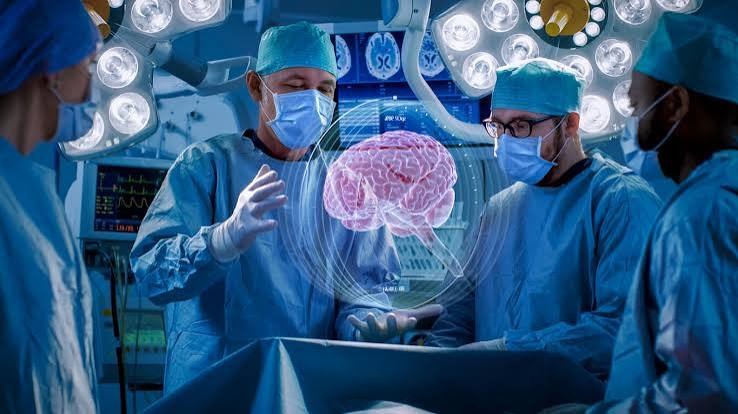
Neurosurgeons complete medical school followed by a lengthy neurosurgical residency, typically six to seven years, focused entirely on the brain, spinal cord, and peripheral nerves. Because the spine houses the spinal cord and a complex network of nerve roots, spine surgery has always been a core part of neurosurgical training, not an add-on.
This background makes neurosurgeons especially well-suited for cases involving:
- Spinal cord compression or spinal stenosis with neurological symptoms
- Herniated or bulging discs causing nerve pain, numbness, or weakness
- Spinal tumors, including those affecting the spinal cord or nerve roots
- Complex nerve-related conditions where precision around neural tissue is critical
- Combined brain-and-spine cases, such as conditions affecting the connection between the two
Patients researching top neurosurgeons in New Jersey are often dealing with symptoms that go beyond simple back pain, like radiating leg pain, tingling, muscle weakness, or loss of coordination. These are signs that the nervous system itself may be involved, which is exactly the territory neurosurgeons are trained to manage.
What Does an Orthopedic Spine Surgeon Actually Do?
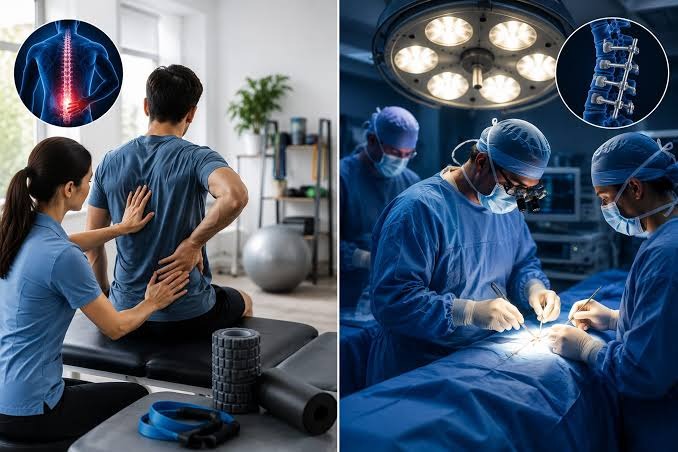
Orthopedic surgeons also complete medical school, followed by an orthopedic surgery residency covering the entire musculoskeletal system, and then a spine-focused fellowship. Their training emphasizes bones, joints, ligaments, and the overall structural integrity of the body.
This makes orthopedic spine surgeons a strong fit for conditions centered on the mechanical structure of the spine, such as
- Spinal deformities like scoliosis or kyphosis
- Degenerative disc disease affecting spinal alignment
- Spinal fractures or instability from trauma
- Spondylolisthesis, where one vertebra slips out of alignment
- Post-surgical spinal reconstruction or fusion for structural support
Because orthopedic surgeons think in terms of the whole skeletal system, they bring particular strength to cases where alignment, stability, and long-term structural outcomes are the main concern, not just relieving nerve-related symptoms.
Where the Two Specialties Overlap
Here’s where it gets genuinely confusing for patients: many of the most common spine surgeries, including discectomies, spinal fusions, and laminectomies, are performed by both neurosurgeons and orthopedic spine surgeons, often with comparable outcomes. Research comparing the two specialties has generally found similar complication rates and success rates for common procedures, meaning your outcome often has more to do with an individual surgeon’s experience and case volume than which specialty they trained in.
This is one reason so many patients seeking a New Jersey spine surgeon are encouraged to look at a surgeon’s specific experience with their condition, rather than choosing based on job title alone.
How to Decide Which Specialist to See
Instead of trying to memorize a chart of conditions, it’s often easier to think through a few practical questions.
Do you have neurological symptoms?
If you’re experiencing numbness, tingling, radiating pain, or muscle weakness, a neurosurgeon’s nerve-focused training may make it the more natural starting point.
Is your main issue structural?
If your primary concern is a curvature of the spine, a fracture, or instability affecting your posture and alignment, an orthopedic spine surgeon’s structural expertise may be the better fit.
Do you need a combined perspective?
Complex cases such as a herniated disc that has also caused spinal misalignment often benefit from a surgeon who collaborates closely with the other specialty or from a practice that includes both.
How experienced is the surgeon with your specific condition?
This matters more than the letters after their name. Ask directly how many procedures like yours the surgeon has performed and what their outcomes typically look like.
Are you being offered surgery too quickly?
The vast majority of spine conditions improve with non-surgical treatment first: physical therapy, medication, injections, or activity modification. A trustworthy specialist, whether a neurosurgeon or orthopedic surgeon, will usually explore these options before recommending surgery.
Why a Second Opinion Matters

Spine surgery is a significant decision, and it’s rarely an emergency, which means you almost always have time to get a second opinion before moving forward. A second opinion can:
- Confirm whether surgery is truly necessary or whether conservative treatment could work first
- Offer an alternative surgical approach that may be less invasive
- Provide reassurance that you’re making the right decision for your specific diagnosis
- Connect you with a specialist who has deeper experience with your particular condition
This is especially valuable when your first consultation leaves you with lingering questions or when you’re weighing a neurosurgeon’s recommendation against an orthopedic surgeon’s approach (or vice versa).
Talk to a Specialist Before You Decide
Choosing between a neurosurgeon and an orthopedic spine surgeon doesn’t have to be a guessing game. The most important step is getting an accurate diagnosis and a clear explanation of your options from a specialist who takes the time to listen.
If you’re dealing with back or neck pain and aren’t sure which path is right for you, our team can help you understand your diagnosis and the specialists best suited to treat it.
Request a second opinion with Advanced Neurosurgery Associates today, and get the clarity you need to move forward with confidence.
Finding the Right Spine Specialist in New Jersey
If you’re searching for the best spine surgeons in New Jersey, look beyond credentials alone. Consider:
- Board certification — Confirm the surgeon is board-certified in their specialty, which reflects rigorous training standards and ongoing evaluation.
- Subspecialty focus — Some surgeons concentrate specifically on spine conditions rather than treating the spine as one part of a broader practice.
- Experience with your condition — Ask how frequently they treat cases similar to yours.
- Range of treatment options — A specialist who genuinely prioritizes non-surgical care first and only recommends surgery when it’s clearly warranted, is generally a good sign.
- Communication style — You should leave a consultation understanding your diagnosis and options in plain language, not just medical terminology.
At Advanced Neurosurgery Associates, our team of board-certified neurosurgeons in New Jersey works closely with patients to determine the most appropriate path forward, whether that means conservative management, minimally invasive treatment, or surgical intervention. We understand that choosing between a neurosurgeon and an orthopedic spine surgeon can feel overwhelming, which is why we focus on clear, honest guidance from your very first visit.
Frequently Asked Questions
Is a neurosurgeon or orthopedic surgeon better for back pain?
It depends on the cause. If nerve involvement (numbness, tingling, or radiating pain) is present, a neurosurgeon is often a strong starting point. If the pain stems from structural issues like misalignment or instability, an orthopedic spine surgeon may be more appropriate. Many patients benefit from an initial evaluation to determine the underlying cause before choosing a specialist.
Do neurosurgeons treat herniated discs?
Yes. Herniated discs are one of the most common conditions neurosurgeons treat, particularly when the disc is compressing a nerve root and causing pain, numbness, or weakness.
Can an orthopedic surgeon perform spinal fusion?
Yes. Orthopedic spine surgeons regularly perform spinal fusion, along with neurosurgeons. Outcomes are generally comparable between the two specialties for this procedure.
How do I know if I need spine surgery at all?
Most spine conditions are treated successfully without surgery. Surgery is typically considered only after conservative treatments physical therapy, medication, and injections have been tried and haven’t provided adequate relief, or if there are signs of significant nerve or spinal cord involvement.
Should I get a second opinion before spine surgery?
In almost all non-emergency cases, yes. A second opinion helps confirm the diagnosis, explore all treatment options, and ensure you feel confident before undergoing a major procedure.