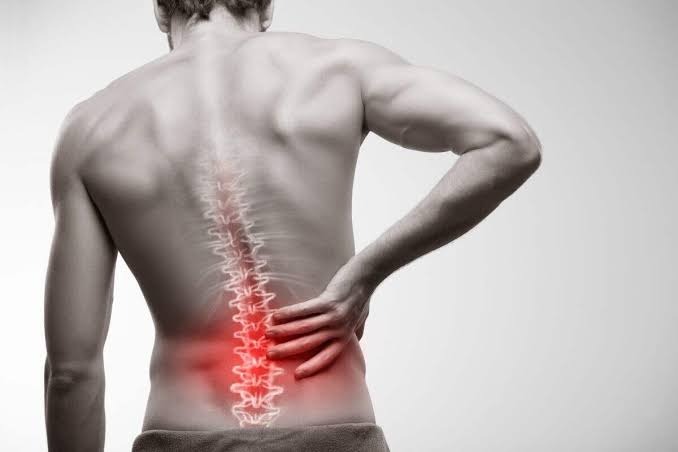
Most people have had a bad back day. You sleep wrong, you lift something awkwardly, you sit too long at a desk, and by evening your lower back is stiff and achy. It happens to almost everyone at some point, and it usually passes within a few days.
But there’s a different kind of back pain one that doesn’t fade with rest, that shoots down your leg, that makes your foot go numb, or that wakes you up at 3 a.m. because you can’t find a position that doesn’t hurt. That kind of pain often has a name: a herniated disc.
At Advanced Neurosurgery Associates, our team of board-certified neurosurgeons in New Jersey sees patients every week who waited months, sometimes years, before asking whether their pain was actually a sign of something structural happening in their spine. This guide walks through the real herniated disc symptoms to watch for, why they happen, and how to know when it’s time to see a specialist instead of just waiting it out.
What Is a Herniated Disc, Exactly?
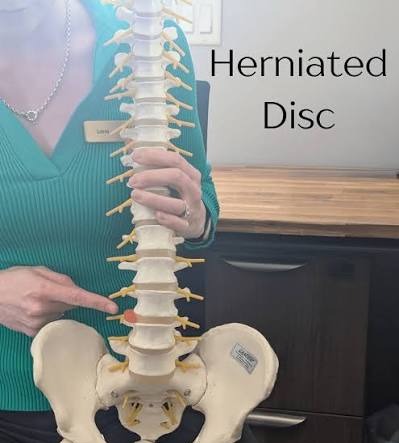
Your spine is made up of vertebrae stacked on top of one another, cushioned by round, rubbery discs that act as shock absorbers. Each disc has a tough outer layer (the annulus) and a soft, gel-like center (the nucleus).
A herniated disc, sometimes called a slipped or ruptured disc, occurs when the outer layer weakens or tears, allowing the soft inner material to bulge outward. When that bulging material presses on a nearby spinal nerve, it can trigger pain, numbness, or weakness that radiates well beyond the back itself.
Discs can herniate anywhere along the spine, but they’re most common in the lower back (lumbar spine) and, less often, the neck (cervical spine). Where the herniation occurs tends to determine where you feel the symptoms.
Common Herniated Disc Symptoms
Herniated disc symptoms vary quite a bit from person to person. Some people feel almost nothing at first; others are in severe pain within hours. Generally, though, the warning signs fall into a few recognizable patterns.
1. Radiating Pain Down an Arm or Leg
This is the hallmark symptom. A herniated disc in the lower back often causes sciatica pain that starts in the lower back or buttock and travels down one leg, sometimes reaching the calf or foot. A herniated disc in the neck can send pain down the shoulder and arm instead. The pain is often described as sharp, burning, or electric, and it may get worse with coughing, sneezing, or sitting.
2. Numbness or Tingling
Along with pain, many people notice numbness, tingling, or a “pins and needles” sensation in the same area, often the foot, calf, hand, or fingers. This happens because the herniated disc is putting pressure directly on a nerve root, interrupting the normal signals traveling to and from the brain.
3. Muscle weakness
If nerve pressure continues, the muscles that the nerve controls can start to weaken. Patients sometimes describe this as their leg or foot feeling “heavy,” tripping more often, or having trouble gripping objects if the herniation is in the neck. Weakness is one of the clearer signs that a nerve is being significantly affected, not just irritated.
4. Pain That Worsens With Certain Positions
Herniated disc pain often has a pattern. Many people find that sitting makes it worse, while walking or lying down brings some relief, though for others it’s the opposite. Pain that consistently spikes with bending forward, twisting, or prolonged sitting is a common clue that a disc issue, rather than a general muscle strain, is at play.
5. Pain That Doesn’t Improve With Rest
Ordinary muscle strains typically ease up within a few days to two weeks. Herniated disc symptoms tend to linger, come in waves, or gradually worsen instead of getting better. If your back pain has outlasted the usual healing window, it’s worth having it evaluated rather than assuming it will resolve on its own.
When Back Pain Becomes an Emergency

Most herniated discs are not medical emergencies, but a small number of cases require urgent attention. Contact a physician or go to an emergency room right away if you experience:
- Loss of bladder or bowel control
- Numbness in the groin or inner thighs (saddle anesthesia)
- Sudden, severe weakness in both legs
These can be signs of cauda equina syndrome, a rare but serious condition where a herniated disc compresses the bundle of nerves at the base of the spinal cord. It requires immediate surgical evaluation to prevent permanent nerve damage.
Why People Wait Too Long to Get Evaluated
It’s understandable to want to avoid seeing a specialist. Back pain is common, and most of it resolves with rest, physical therapy, or over-the-counter medication. But there’s a real cost to waiting when the underlying cause is a herniated disc:
- Nerve compression can worsen over time, turning temporary numbness into lasting weakness.
- Compensating for pain changes how you move, which can lead to secondary issues in the hips, opposite leg, or upper back.
- Chronic pain becomes harder to treat the longer it goes unaddressed, both physically and in terms of how the nervous system processes pain signals.
A conversation with an orthopedic spine surgeon in New Jersey doesn’t automatically mean surgery. In fact, most herniated discs are treated successfully with non-surgical approaches first: physical therapy, targeted injections, activity modification, and anti-inflammatory treatment. The goal of an early evaluation is simply to understand what’s actually happening in your spine, so you and your doctor can choose the right path with confidence instead of guessing.
How Neurosurgeons Diagnose a Herniated Disc
When you see the neurosurgeons of New Jersey at Advanced Neurosurgery Associates, the evaluation typically starts with a detailed conversation about your symptoms, when the pain started, what makes it better or worse, and whether you’ve noticed numbness or weakness. This is followed by a physical exam that tests reflexes, strength, and sensation to identify which nerve level may be involved.
From there, imaging is often used to confirm the diagnosis:
- MRI (Magnetic Resonance Imaging): The gold standard for visualizing discs, nerves, and soft tissue in detail.
- CT Scan: Sometimes used when MRI isn’t possible or when more detail on bone structure is needed.
- X-rays: Helpful for ruling out other causes, though they don’t show disc material directly.
This combination of hands-on evaluation and imaging allows a specialist to pinpoint exactly which disc is involved and how significantly it’s affecting the surrounding nerves, information that’s essential for building an effective treatment plan.
Treatment Options: Surgery Isn’t Always the First Step
One of the biggest misconceptions patients bring into a first appointment is that seeing a spine surgeon means surgery is inevitable. In reality, the majority of herniated disc cases improve with conservative care, including:
- Physical therapy focused on core stability and nerve mobility
- Anti-inflammatory medications
- Epidural steroid injections to reduce nerve inflammation
- Activity and posture modifications
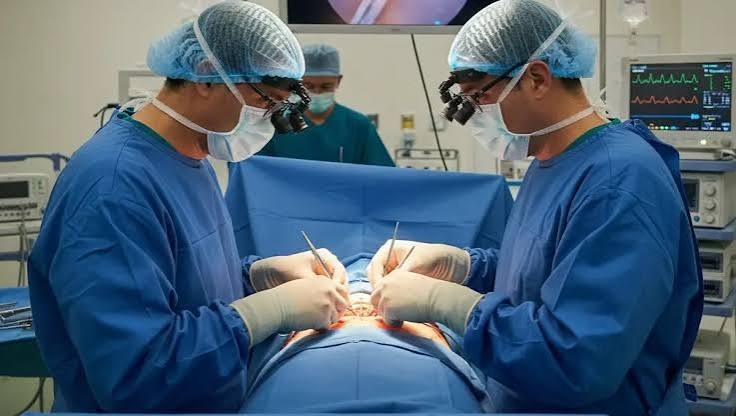
Surgery is typically considered when symptoms are severe, when there’s progressive weakness, when conservative treatment hasn’t helped after several weeks to months, or in emergency situations like cauda equina syndrome. When surgery is needed, board-certified neurosurgeons in New Jersey now have access to minimally invasive techniques that can reduce recovery time compared to traditional open surgery, including microdiscectomy and endoscopic disc procedures.
Why Location and Experience Matter in Choosing a Spine Specialist
If you’re searching for neurosurgeons in New Jersey, credentials and experience should be at the top of your checklist. Look for:
- Board certification in neurosurgery or orthopedic spine surgery
- Fellowship training specifically in spine care
- Experience with both surgical and non-surgical treatment, so the recommendation you receive is based on your actual condition, not a single treatment lens
- Access to advanced imaging and minimally invasive surgical options
At Advanced Neurosurgery Associates, our spine team combines all of these, bringing decades of combined experience treating herniated discs and other spinal conditions throughout New Jersey, with a treatment philosophy that starts conservatively and escalates only when it’s genuinely necessary.
Don’t Wait Out Pain That Could Be a Herniated Disc
Back pain that radiates, numbness that won’t quit, or weakness that’s changing how you move these aren’t things to push through indefinitely. The earlier a herniated disc is properly diagnosed, the more treatment options you have and the better your long-term outcome tends to be.
If your symptoms match what we’ve described here, it’s worth having an expert take a look.
Book a spine consultation with the team at Advanced Neurosurgery Associates today, and get a clear answer about what’s causing your pain and a plan for what to do about it.
Frequently Asked Questions
How do I know if my back pain is a herniated disc?
The clearest signs are pain that radiates into an arm or leg, numbness or tingling, and muscle weakness, especially if the pain hasn’t improved after a week or two of rest.
Can a herniated disc heal on its own?
Many herniated discs improve over weeks to months with conservative treatment like physical therapy and activity modification, as the body gradually reabsorbs some of the herniated material and inflammation decreases.
What does herniated disc pain feel like?
It’s often described as sharp, burning, or electric pain, sometimes combined with a dull ache in the back and numbness or tingling that travels down an arm or leg.
When should I see a spine surgeon for a herniated disc?
See a specialist if pain persists beyond two to four weeks, if you notice numbness or weakness, or immediately if you experience loss of bladder or bowel control.
Is surgery always required for a herniated disc?
No. Most patients respond well to non-surgical treatment. Surgery is generally reserved for severe, persistent, or progressively worsening symptoms.