Back and neck pain affects nearly 8 in 10 adults at some point in their lives, and for thousands of New Jersey residents, that pain becomes chronic, disabling, or the result of a workplace injury. Whether you’re dealing with a herniated disc, spinal stenosis, or a work-related injury, finding the right spine surgeon New Jersey patients trust can make the difference between years of discomfort and a full return to the life you want.
This guide breaks down everything you need to know about spine disorders, treatment options, and what to expect from minimally invasive spine surgery NJ specialists so you can make an informed decision about your care.
Quick Answer: When Should You See a Spine Surgeon?
You should consult a spine surgeon if you experience any of the following for more than 6 weeks despite conservative treatment (physical therapy, medication, or injections):
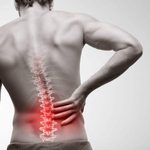
- Persistent lower back or neck pain
- Numbness, tingling, or weakness radiating into the arms or legs
- Difficulty walking, standing, or maintaining balance
- Loss of bladder or bowel control (seek emergency care immediately)
- Pain following a workplace or car accident that hasn’t improved
If any of these apply to you, scheduling an evaluation with an orthopedic spine surgeon in New Jersey is a smart next step; early diagnosis often means less invasive treatment later.
Understanding Common Spine Disorders
Herniated (Slipped) Disc
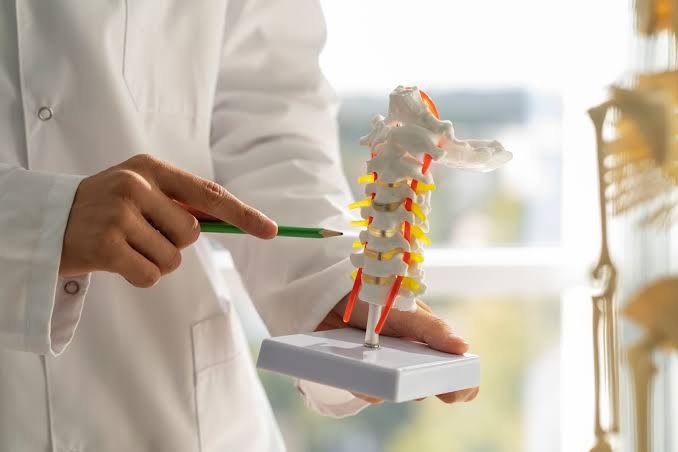
A herniated disc occurs when the soft, gel-like center of a spinal disc pushes through a crack in its tougher exterior. This can irritate nearby nerves, causing pain, numbness, or weakness, often in the arm or leg, depending on where the herniation occurs. Most disc herniations respond well to non-surgical care. Still, persistent cases may require a microdiscectomy, a minimally invasive procedure that removes the portion of the disc pressing on the nerve.
Degenerative Disc Disease
As we age, spinal discs naturally lose hydration and elasticity, reducing their ability to cushion the vertebrae. This wear-and-tear process can lead to chronic pain, stiffness, and reduced mobility. A lumbar spine surgeon New Jersey patients turn to will typically start with physical therapy and injections before considering surgical intervention.
Spinal Stenosis
Spinal stenosis is a narrowing of the spinal canal that puts pressure on the spinal cord and nerves. It’s especially common in adults over 50 and often causes leg pain, cramping, or weakness that worsens with walking or standing.
Sciatica
Sciatica refers to pain that radiates along the sciatic nerve, from the lower back through the hips and down each leg. It’s usually a symptom of an underlying condition, such as a herniated disc or bone spur, rather than a diagnosis on its own.
Choosing the Best Spine Surgeon in New Jersey
Not all spine care is the same, and the provider you choose matters enormously. Here’s what to look for when researching the best spine surgeons in New Jersey:
- Board Certification: Confirm your surgeon is board-certified in orthopedic surgery or neurosurgery with a spine subspecialty.
- Minimally Invasive Expertise: A top spine surgeon New Jersey patients seek out should offer minimally invasive techniques, which typically mean smaller incisions, less blood loss, and faster recovery than traditional open surgery.
- Volume and Outcomes: Ask how many procedures similar to yours the surgeon performs annually, and request outcome data when available.
- Comprehensive, Conservative-First Approach: The best providers exhaust non-surgical options first and treat surgery as a last resort, not a first response.
- Workers’ Compensation Experience: If your injury is job-related, you’ll want a workers’ compensation spine surgeon. New Jersey employers and insurers recognize who understands both the medical and administrative sides of your claim.
Orthopedic Spine Surgeon vs. Neurosurgeon: What’s the Difference?
Both orthopedic spine surgeons and neurosurgeons are qualified to perform spine surgery, and many patients recover excellently under either specialty. Orthopedic spine surgeons complete residency training focused on the musculoskeletal system before subspecializing in the spine, while neurosurgeons train primarily in the nervous system. In practice, an experienced orthopedic spine surgeon in New Jersey clinics will collaborate closely with pain management, physical therapy, and radiology teams to build a coordinated care plan.
Pediatric and Adult Neurosurgery Care in New Jersey
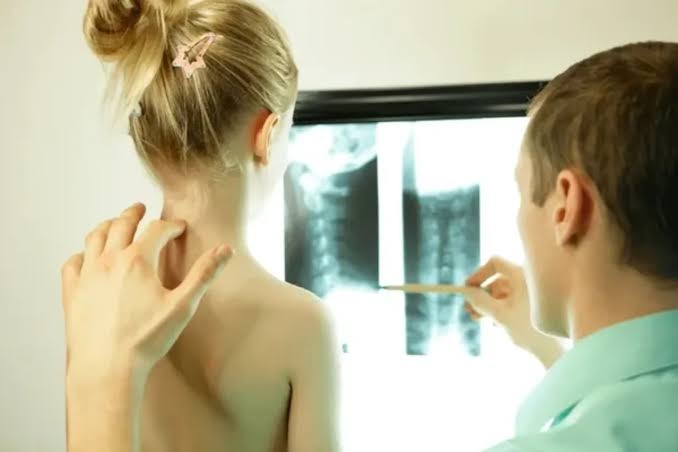
Spine and nervous system conditions don’t only affect adults; children can develop spinal deformities, congenital conditions, and traumatic injuries that require specialized surgical care. Understanding the difference between pediatric and adult neurosurgical treatment helps families and patients of all ages find the right provider.
Pediatric Neurosurgeon NJ: Specialized Care for Growing Spines
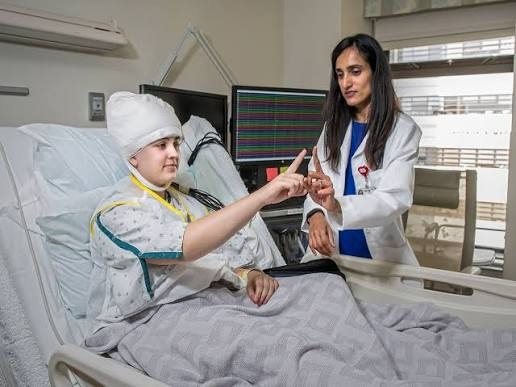
A pediatric neurosurgeon in NJ families trust treats conditions unique to children and adolescents, including the following:
- Scoliosis and spinal deformities — abnormal curvature that can worsen during growth spurts
- Spina bifida and congenital spine defects — conditions present at birth affecting spinal development
- Tethered spinal cord — a condition where the spinal cord is abnormally attached, restricting normal movement
- Pediatric spinal trauma — injuries from sports, falls, or accidents
- Brain and spine tumors — rare but serious conditions requiring specialized surgical expertise
Because a child’s spine and nervous system are still developing, pediatric neurosurgery requires a different approach than adult care, one focused on preserving growth potential, minimizing long-term impact, and often involving a multidisciplinary team of pediatric orthopedists, neurologists, and physical therapists. When searching for a pediatric neurosurgeon in New Jersey, look for board certification in pediatric neurosurgery, along with a hospital affiliation with dedicated pediatric surgical units and imaging.
Adult Neurosurgeon NJ: Comprehensive Care Across Every Life Stage
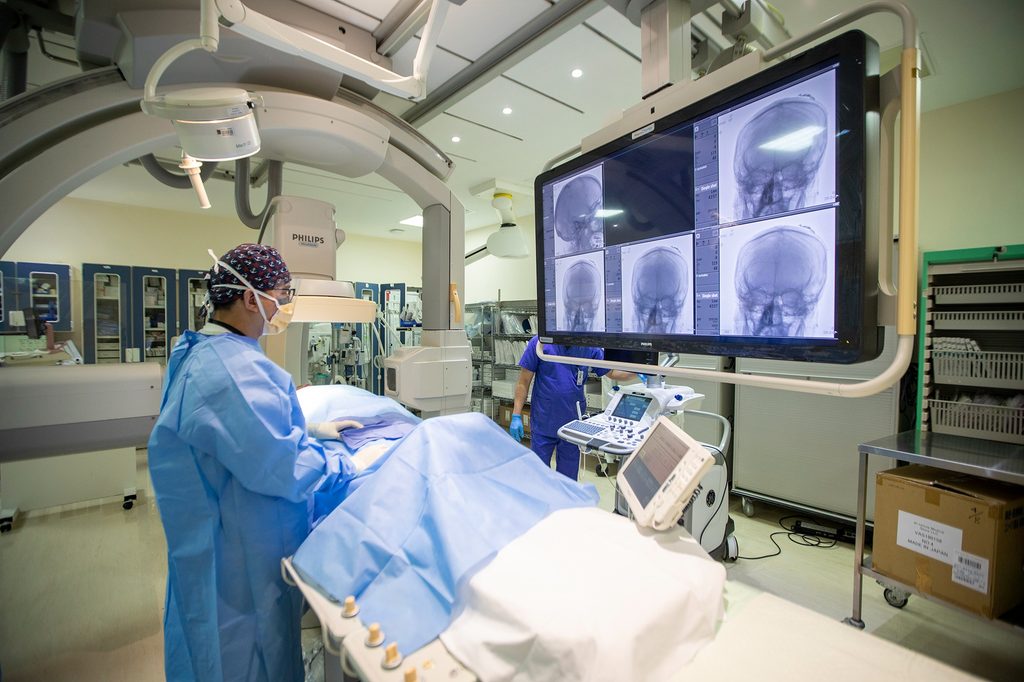
For adults, an adult neurosurgeon NJ patients rely on typically manages a broader range of degenerative, traumatic, and age-related conditions, including the following:
- Herniated discs and spinal stenosis
- Degenerative disc disease
- Spinal fractures from trauma or osteoporosis
- Brain tumors, aneurysms, and vascular conditions
- Complex spinal deformity correction in older adults
Many practices in New Jersey offer both pediatric and adult neurosurgical services under one roof, allowing families to maintain continuity of care as a child transitions into adulthood, particularly important for patients with chronic or congenital spine conditions that require lifelong monitoring.
Choosing Between a Neurosurgeon and an Orthopedic Spine Surgeon for Your Child
For pediatric cases especially, many families ask whether to see a neurosurgeon or an orthopedic spine surgeon. In practice, pediatric spinal deformities (like scoliosis) are frequently treated by pediatric orthopedic spine surgeons, while conditions involving the spinal cord or brain, such as tethered cord or tumors, are typically managed by a pediatric neurosurgeon. The best NJ practices coordinate both specialties so your child receives the right expertise regardless of which door they walk through first.
Minimally Invasive Spine Surgery in NJ: What Makes It Different
Traditional “open” spine surgery involves a large incision and significant muscle disruption to access the spine. Minimally invasive spine surgery NJ patients now have access to uses specialized instruments and small incisions, often less than an inch, guided by real-time imaging.
Benefits of minimally invasive techniques include:
- Smaller scars and less visible tissue trauma
- Reduced blood loss during surgery
- Shorter hospital stays (often same-day or overnight)
- Faster return to work and daily activities
- Lower risk of infection compared to open procedures
Microdiscectomy
A microdiscectomy is one of the most common minimally invasive procedures for herniated discs. Using a small incision and a surgical microscope, the surgeon removes only the fragment of disc pressing on the nerve root, leaving the rest of the disc intact. Most patients go home the same day and return to light activity within one to two weeks.
Spinal Fusion
For patients with instability, severe degeneration, or spondylolisthesis (a vertebra slipping out of place), a spine fusion surgeon New Jersey may recommend spinal fusion. This procedure permanently joins two or more vertebrae using bone grafts and hardware to eliminate painful motion at that segment. Many fusions today can be performed using minimally invasive approaches, significantly reducing recovery time compared to traditional open fusion surgery.
Laminectomy and Foraminotomy
These procedures relieve pressure on the spinal cord or nerve roots by removing small portions of bone or tissue that are causing compression, commonly used to treat spinal stenosis.
Workers’ Compensation and Spine Injuries

Workplace injuries account for a significant share of spine surgery consultations in New Jersey, particularly among warehouse, construction, healthcare, and transportation workers. If you’ve been injured on the job, working with a workers compensation spine surgeon New Jersey courts and insurers recognize is essential not just for your health, but for the strength of your claim.
A qualified provider will:
- Document your injury thoroughly for your claim
- Coordinate directly with your employer’s insurance carrier
- Provide independent medical evaluations when needed
- Create a treatment plan aligned with New Jersey workers’ compensation guidelines
What to Expect: Recovery After Spine Surgery
Recovery timelines vary by procedure, but most minimally invasive patients can expect:
- Days 1–3: Rest, pain management, and short walks to promote circulation
- Week 1–2: Gradual return to light daily activities; driving typically resumes once off narcotic pain medication
- Weeks 3–6: Physical therapy begins to rebuild strength and flexibility
- Months 2–3: Most patients return to desk work; manual labor jobs may require longer clearance
- Months 3–6: Full recovery and return to higher-impact activities, depending on the procedure
Your surgeon will tailor this timeline based on your specific procedure, overall health, and job demands.
Take the Next Step Toward a Pain-Free Life
Living with chronic back or neck pain doesn’t have to be your normal. Whether you’re exploring conservative care or considering minimally invasive spine surgery, the right guidance makes all the difference.
Ready to get answers?
Book Your Consultation Today with a trusted spine surgeon in New Jersey and take the first step toward relief.
Frequently Asked Questions
How do I know if I need spine surgery?
Surgery is generally considered only after conservative treatments, physical therapy, medication, and injections fail to relieve symptoms after 6–12 weeks, or if you have progressive weakness, numbness, or loss of bladder/bowel control.
Is minimally invasive spine surgery safer than traditional surgery?
For appropriate candidates, minimally invasive spine surgery generally carries lower risks of infection and blood loss, along with shorter recovery times, compared to open surgery. Not every condition qualifies for a minimally invasive approach, so an individual evaluation is essential.
How long does it take to recover from a microdiscectomy?
Most patients resume light activities within one to two weeks and return to full function within four to six weeks, though this varies by individual and job type.
Will workers’ compensation cover spine surgery in New Jersey?
If your spine injury is work-related and properly documented, New Jersey workers’ compensation typically covers medically necessary evaluations, treatment, and surgery. Working with a surgeon experienced in workers’ comp cases helps ensure proper documentation and communication with your claim adjuster.
What’s the difference between a spine fusion and a microdiscectomy?
A microdiscectomy removes a small portion of a herniated disc to relieve nerve pressure, while spinal fusion permanently joins two or more vertebrae to eliminate painful movement. Fusion is typically reserved for instability or more advanced degeneration.
When does my child need a pediatric neurosurgeon instead of a regular spine doctor?
Children should see a pediatric neurosurgeon for conditions involving the spinal cord, brain, or congenital spine defects — such as tethered spinal cord, spina bifida, or pediatric brain and spine tumors. Spinal curvature conditions like scoliosis are often managed by a pediatric orthopedic spine surgeon, though many NJ practices coordinate both specialties for comprehensive care.
Do adult and pediatric neurosurgeons treat the same conditions?
No. An adult neurosurgeon NJ patients see typically manages degenerative conditions like herniated discs, spinal stenosis, and age-related fractures, while a pediatric neurosurgeon focuses on congenital defects, growth-related deformities, and pediatric trauma or tumors, reflecting the different developmental needs of a child’s versus an adult’s spine and nervous system.