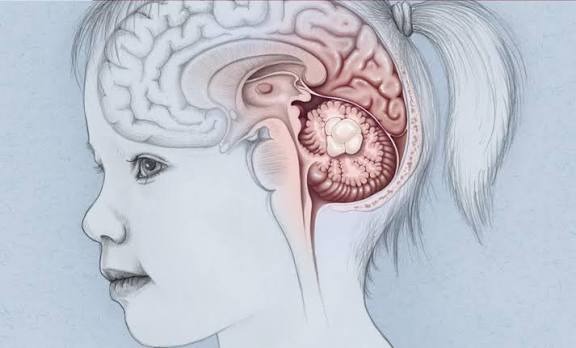
The terms “brain tumor” and “brain cancer” are often used interchangeably, but they do not mean the same thing.
A brain tumor is an abnormal growth of cells in or around the brain. Some brain tumors are benign, meaning they are not cancerous. Others are malignant, meaning they are cancerous and may grow more aggressively or invade nearby tissue.
So, not every brain tumor is brain cancer.
Understanding this distinction can help patients and families make sense of a diagnosis and know when to seek care from brain tumor specialists.
At Advanced Neurosurgery Associates, our board-certified neurosurgeons in New Jersey evaluate and treat a wide range of brain and neurological conditions, including brain tumors in children, adolescents, and adults.
What Is a Brain Tumor?
A brain tumor develops when abnormal cells grow uncontrollably in the brain or surrounding structures.
Brain tumors may originate from the following:
- Brain tissue
- The membranes surrounding the brain
- Nerves
- The pituitary gland
- Blood vessels
- Other structures within or near the skull
Brain tumors can be either benign or malignant.
Importantly, a benign brain tumor can still be medically serious. Even when it does not spread to other parts of the body, its location may allow it to press against important areas responsible for movement, speech, vision, memory, balance, or hormone regulation.
What Is Brain Cancer?
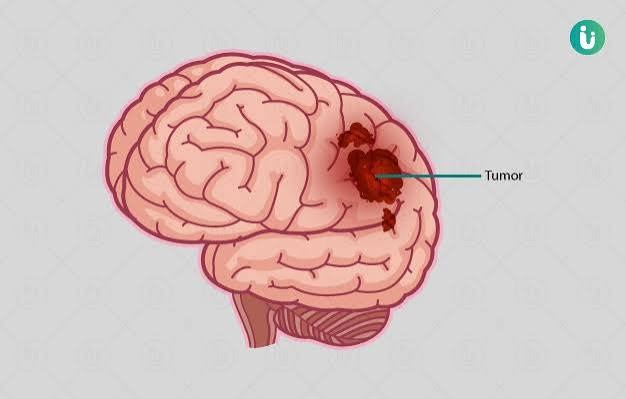
Brain cancer generally refers to a malignant tumor involving the brain or central nervous system.
Cancerous brain tumors can grow into nearby brain tissue and may interfere with normal neurological function. Some cancers that affect the brain also develop elsewhere in the body and spread to the brain. These are called brain metastases or metastatic brain tumors.
Therefore, doctors consider several factors when determining whether a tumor is cancerous, including the following:
- Cell type
- Location
- Growth pattern
- Molecular characteristics
- Grade
- Behavior under examination and testing
A diagnosis cannot be determined from symptoms alone.
Brain Tumor vs. Brain Cancer: Quick Comparison
| Brain Tumor | Brain Cancer |
| General term for an abnormal growth in or around the brain | Generally refers to a malignant tumor involving the brain or CNS |
| Can be benign or malignant | Cancerous by definition |
| May grow slowly or quickly | Often has more aggressive biological behavior |
| Does not necessarily spread | Malignant tumors can invade nearby tissue; some cancers can spread from elsewhere to the brain |
| Treatment depends on tumor type, location, size, and behavior | Treatment depends on cancer type, grade, location, molecular features, and overall health |
The most important point is simple: a brain tumor is not automatically brain cancer.
Are All Brain Tumors Cancerous?
No. Some brain tumors are benign, while others are malignant.
However, “benign” does not necessarily mean “harmless.” A benign tumor located near an important part of the brain can cause significant problems by creating pressure or disrupting normal neurological function.
For example, a tumor affecting areas responsible for vision may cause visual changes. A tumor near the cerebellum may interfere with balance and coordination.
That is why the location and behavior of a tumor matter just as much as whether it is classified as benign or malignant.
What Makes a Brain Tumor Malignant?
Doctors use several characteristics to determine how a tumor behaves.
These may include:
1. Growth Rate
Brain tumors can grow at different rates. Some develop slowly over several years, while others may grow more quickly. Doctors may use imaging studies such as MRI scans to monitor changes in the tumor over time. A tumor that is growing or changing may require closer monitoring or treatment.
2. Tumor Grade
The tumor grade describes how abnormal the tumor cells appear under a microscope and can provide information about how aggressively the tumor may behave. Lower-grade tumors generally tend to grow more slowly, while higher-grade tumors may grow more rapidly and require more intensive treatment.
3. Invasion
Some malignant brain tumors can grow into or spread through nearby brain tissue rather than remaining clearly separated from healthy tissue. This can make complete surgical removal more difficult. Neurosurgeons carefully evaluate how a tumor relates to surrounding brain structures when planning treatment.
4. Molecular Characteristics
Modern brain tumor diagnosis involves more than looking at cells under a microscope. Doctors may also evaluate the tumor’s molecular and genetic characteristics. These findings can help identify the specific type of tumor, estimate how it may behave, and in some cases help doctors select appropriate treatment options.
5. Tumor Location
Where a brain tumor is located is extremely important. Even a slow-growing or benign tumor can cause significant problems if it develops near areas responsible for speech, movement, vision, memory, balance, or other important functions. Tumor location also pla
What Are the Common Types of Brain Tumors?
There are many types of brain tumors, and classification depends on the cells from which the tumor develops.
Some examples include:
- Gliomas
- Meningiomas
- Pituitary tumors
- Schwannomas
- Medulloblastomas
- Ependymomas
- Astrocytomas
- Metastatic brain tumors
The types of tumors seen in children can differ from those commonly diagnosed in adults.
This is one reason families looking for pediatric brain tumor specialists should seek evaluation from a team experienced with age-specific neurological conditions.
Brain Tumors in Children vs. Adults
Brain tumors can occur at any age, but the types of tumors and the way they present may vary between children and adults.
Children may experience symptoms involving:
- Headaches
- Vomiting
- Vision changes
- Balance problems
- Seizures
- Weakness
- Changes in school performance
- Behavioral or personality changes
- Developmental or hormonal changes
Adults may experience symptoms such as the following:
- Persistent headaches
- Seizures
- Vision or speech changes
- Weakness or numbness
- Balance difficulties
- Memory or concentration problems
- Personality or behavioral changes
These symptoms can have many causes and do not automatically indicate a brain tumor.
For a detailed discussion of warning signs in children and young adults, see our related guide: Brain Tumor Symptoms in Children & Young Adults: Early Warning Signs.
How Are Brain Tumors Diagnosed?
A doctor may begin with a detailed medical history and neurological examination.
Depending on the patient’s symptoms and examination findings, diagnostic testing may include the following:
MRI
Magnetic Resonance Imaging (MRI) uses powerful magnets and radio waves to produce detailed images of the brain and surrounding structures. It can help doctors identify the size, location, and characteristics of a brain tumor and determine whether it is affecting nearby brain tissue. MRI may also be performed with contrast material to provide additional detail and help doctors better evaluate certain tumors.
CT Scan
A CT (Computed Tomography) scan uses X-rays to create detailed cross-sectional images of the brain. It can be performed quickly, making it particularly useful when doctors need to evaluate a patient urgently, such as after a sudden neurological change, severe headache, head injury, or suspected bleeding. CT scans can help identify abnormal masses, swelling, bleeding, or changes in the brain and may help determine whether further imaging, such as an MRI, is needed.
Neurological Examination
The physician may assess the following:
- Strength
- Reflexes
- Coordination
- Balance
- Vision
- Sensation
- Speech
- Mental function
Biopsy or Tissue Analysis
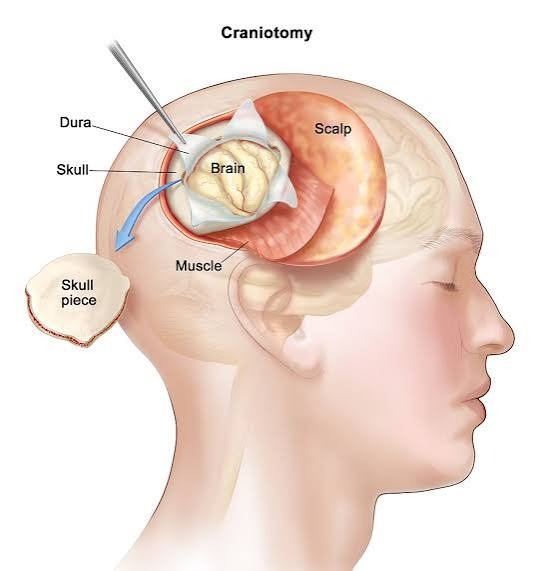
In some cases, doctors may recommend a biopsy or surgical tissue analysis to determine exactly what type of brain tumor is present. During a biopsy, a small sample of the abnormal tissue is collected and examined by a pathologist under a microscope.
Tissue analysis can help identify the tumor type, grade, and molecular characteristics, which may provide important information about how the tumor is likely to behave and which treatments may be appropriate.
A biopsy is not necessary for every brain tumor. In some situations, imaging studies provide enough information to guide treatment, while in other cases, obtaining tissue is important for confirming the diagnosis. The decision depends on factors such as the tumor’s location, size, appearance on imaging, symptoms, and overall clinical situation.
How Are Brain Tumors Treated?
Treatment is highly individualized.
Depending on the tumor, treatment may include the following:
- Observation and monitoring
- Surgical removal
- Radiation therapy
- Chemotherapy
- Targeted therapies
- Other specialized treatments
- Rehabilitation and supportive care
Surgery may be recommended when removing the tumor is considered appropriate and reasonably safe.
The goal is not simply to remove a mass. Neurosurgeons must also consider important neurological functions and the tumor’s relationship to surrounding brain structures.
Does a Brain Tumor Always Need Surgery?
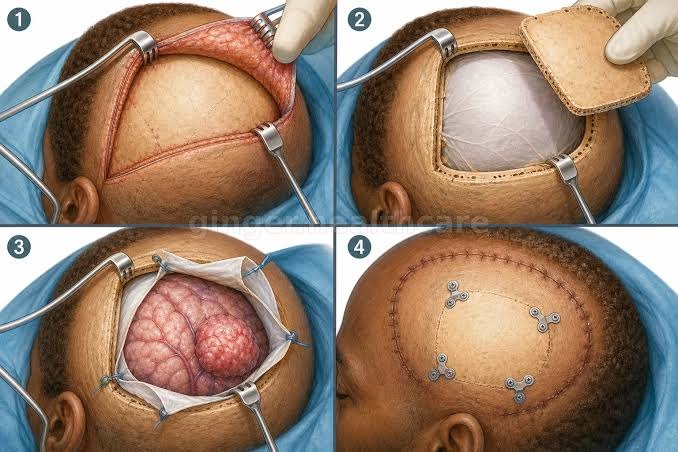
No. Some tumors may be monitored rather than immediately removed, particularly when they are small, slow-growing, asymptomatic, or located where surgery could carry significant risks.
Other tumors may require surgery because of:
- Significant symptoms
- Tumor growth
- Pressure on the brain
- Hydrocephalus
- Neurological deterioration
- Suspicion of an aggressive tumor
- The need for tissue diagnosis
The recommended approach depends on the patient’s specific diagnosis.
When Should You See a Brain Tumor Specialist?
If you or your child has persistent or unexplained neurological symptoms, a medical evaluation can help determine whether additional testing is appropriate. Advanced Neurosurgery Associates’ brain tumor specialists, Arno H. Fried, MD, and Meleine Martínez-Sosa, MD, can provide specialized evaluation and discuss appropriate next steps when symptoms are.
- Persistent or progressively worsening
- Associated with seizures
- Accompanied by new weakness or numbness
- Associated with significant vision or speech changes
- Affecting balance or coordination
- Causing substantial changes in behavior or cognition
A single symptom does not necessarily mean a tumor is present. Many neurological symptoms have more common explanations.
The purpose of specialist evaluation is to identify the cause and determine whether further testing is needed.
How to Find Brain Tumor Specialists Near Me
If you are searching for a “brain tumor doctor,” look for a practice with experience in neurological and neurosurgical evaluation.
Important factors to consider include:
- Board certification
- Neurosurgical training and experience
- Experience treating the specific type of tumor
- Pediatric expertise when treating children
- Access to appropriate imaging and diagnostic services
- Multidisciplinary treatment coordination
- Convenient New Jersey locations
- Clear communication about diagnosis and treatment options
For families searching for brain tumor specialists in New Jersey, Advanced Neurosurgery Associates provides neurosurgical care for brain and spine conditions across multiple New Jersey locations.
Pediatric Brain Tumor Specialists for Children
A child’s neurological system is still developing, so pediatric brain tumor care requires careful consideration of age, development, school function, neurological symptoms, and long-term quality of life.
Families searching for a childhood brain tumor doctor or pediatric brain tumor specialists should consider a team familiar with the unique challenges of treating younger patients.
Treatment decisions may consider:
- The child’s age
- Tumor type
- Tumor location
- Tumor size
- Growth behavior
- Neurological symptoms
- Developmental needs
- Potential long-term effects of treatment
At Advanced Neurosurgery Associates, our neurosurgical team works with families to develop individualized care plans based on the child’s diagnosis and needs.
Why Choose Advanced Neurosurgery Associates?
At Advanced Neurosurgery Associates, our board-certified neurosurgeons in New Jersey provide evaluation and treatment for brain and spine conditions affecting children, young adults, and adults.
Our approach emphasizes:
- Individualized neurological evaluation
- Advanced diagnostic assessment
- Tumor-specific treatment planning
- Pediatric neurosurgical care
- Surgical treatment when appropriate
- Coordination with other medical specialists
- Long-term neurological considerations
If you have been told that you or your child may have a brain tumor, getting clear information about the diagnosis and treatment options is an important first step.
Get a Neurosurgical Evaluation in New Jersey
A brain tumor diagnosis can raise many questions. Understanding whether a tumor is benign or malignant, where it is located, how it is behaving, and what treatment options are available can help you make informed decisions.
If you are looking for brain tumor specialists or pediatric brain tumor specialists in New Jersey, Advanced Neurosurgery Associates can help you understand the next steps.
Schedule a consultation with Advanced Neurosurgery Associates to discuss your symptoms, diagnosis, imaging, or treatment options.
Frequently Asked Questions
Is a brain tumor the same as brain cancer?
No. A brain tumor is an abnormal growth in or around the brain and can be benign or malignant. Brain cancer generally refers to a malignant tumor involving the brain or central nervous system.
Can a benign brain tumor be dangerous?
Yes. A benign tumor can still cause serious problems if it presses against important brain structures or increases pressure inside the skull. Treatment depends on its size, location, growth, and symptoms.
What doctor treats a brain tumor?
A neurosurgeon may evaluate and surgically treat brain tumors. Depending on the diagnosis, care may also involve neurologists, neuro-oncologists, radiation oncologists, pediatric specialists, and other medical professionals.
How do I find a brain tumor specialist near me?
Look for a board-certified neurosurgical team with experience treating brain tumors and the specific age group involved. Families in New Jersey can contact Advanced Neurosurgery Associates for a neurosurgical evaluation.
Are there pediatric brain tumor specialists in New Jersey?
Yes. Pediatric brain tumor care is available through specialized neurosurgical teams. Advanced Neurosurgery Associates provides pediatric neurosurgical evaluation and treatment for children with brain and spine conditions.
Does every brain tumor require surgery?
No. Some tumors can be monitored, while others may require surgery because of their symptoms, growth, location, or other characteristics. A neurosurgical evaluation is needed to determine the appropriate approach.
Can brain tumors be cured?
The outlook depends on the specific tumor type, grade, location, molecular characteristics, and response to treatment. Some tumors can be successfully removed or controlled, while others require ongoing treatment and monitoring.